
Free in-home measure and quote - PGT, CGI and CWS impact lines compared on your actual openings, style by style
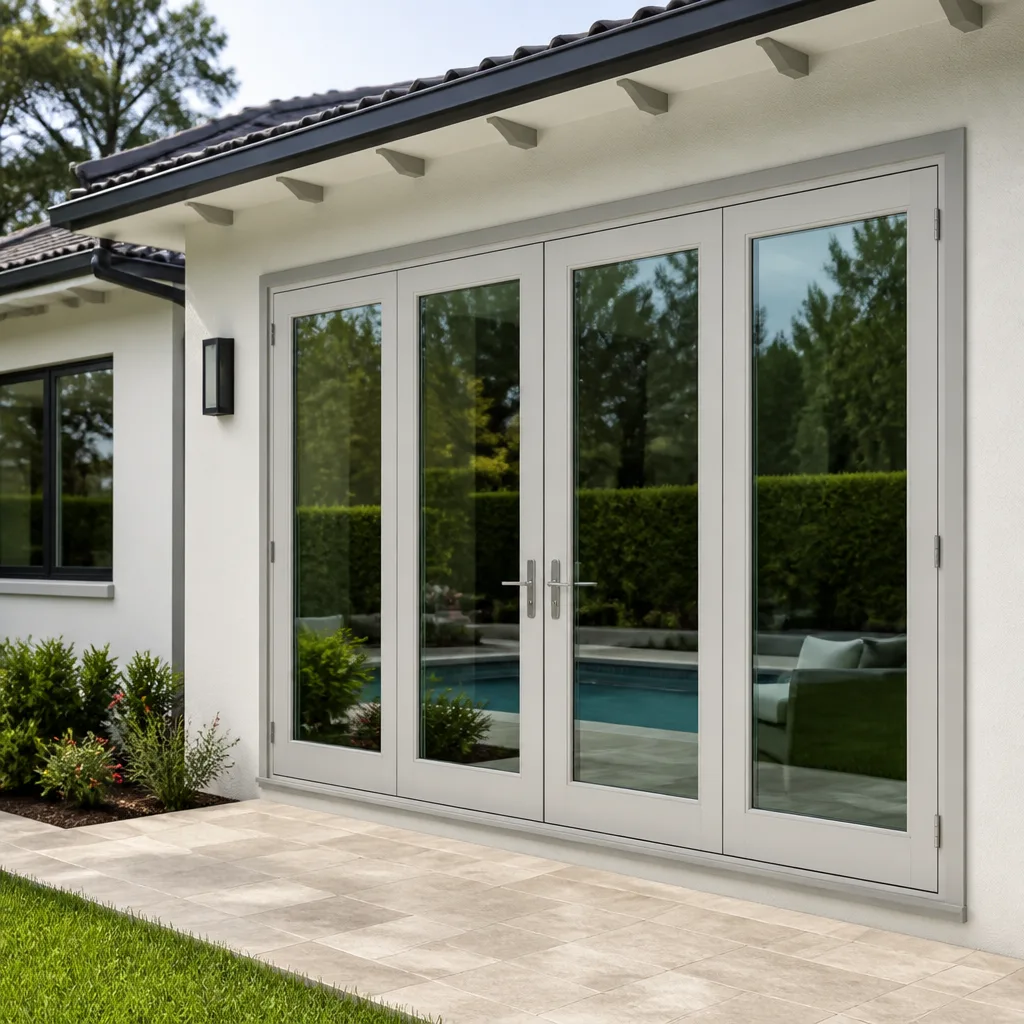
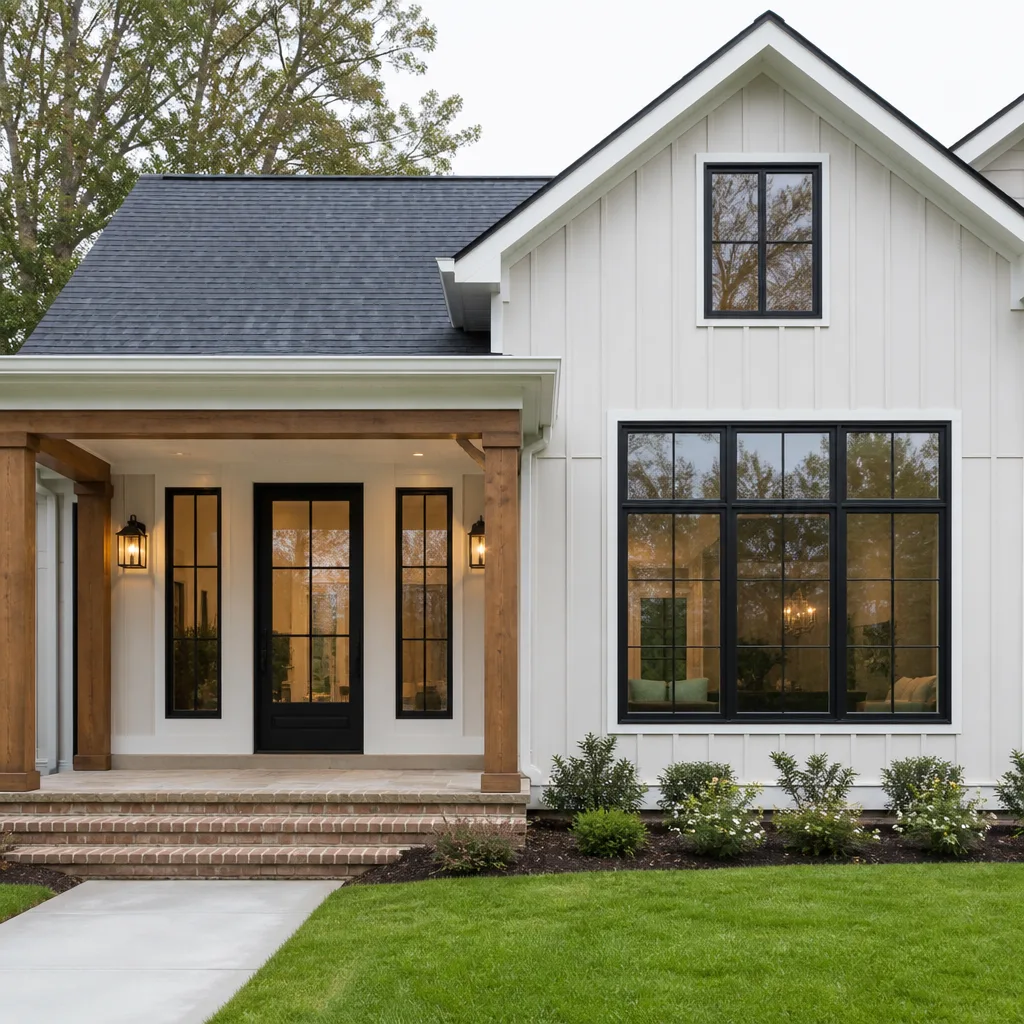
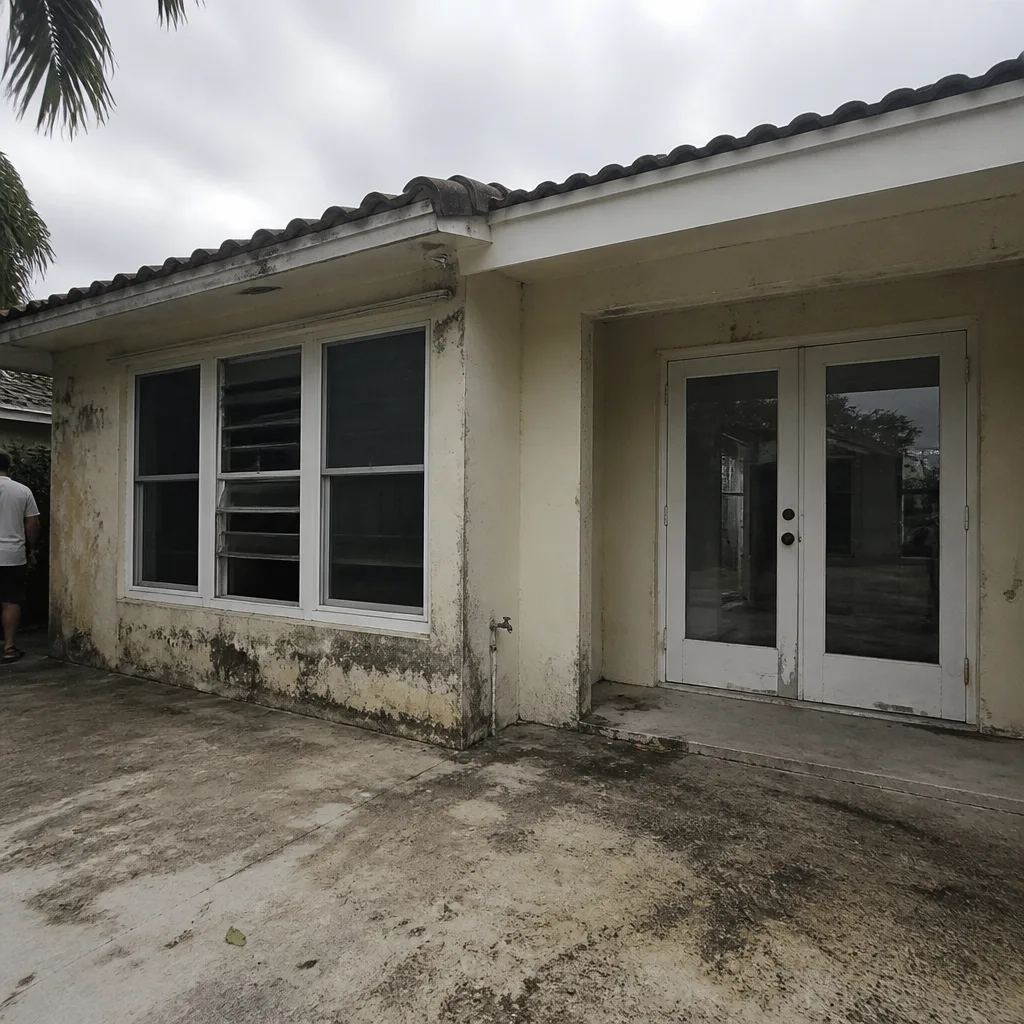 Before
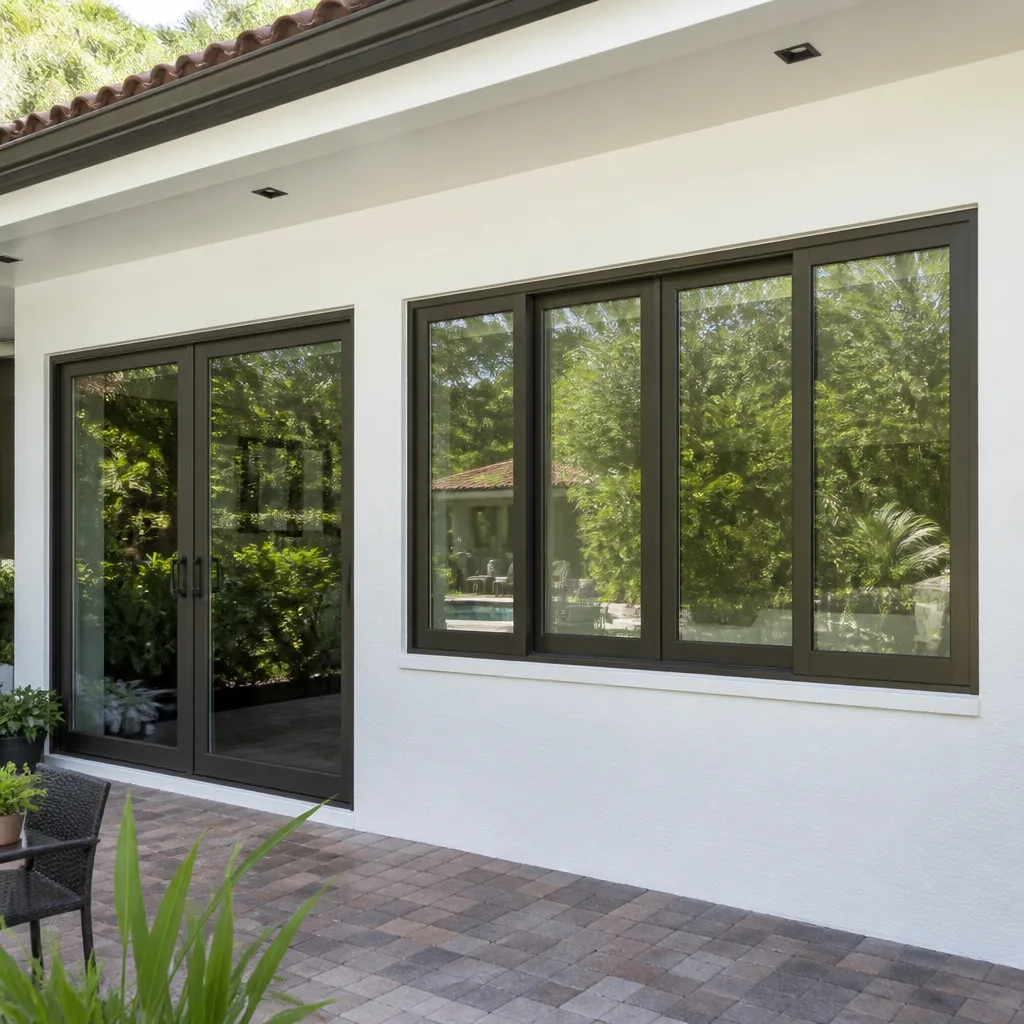 After
After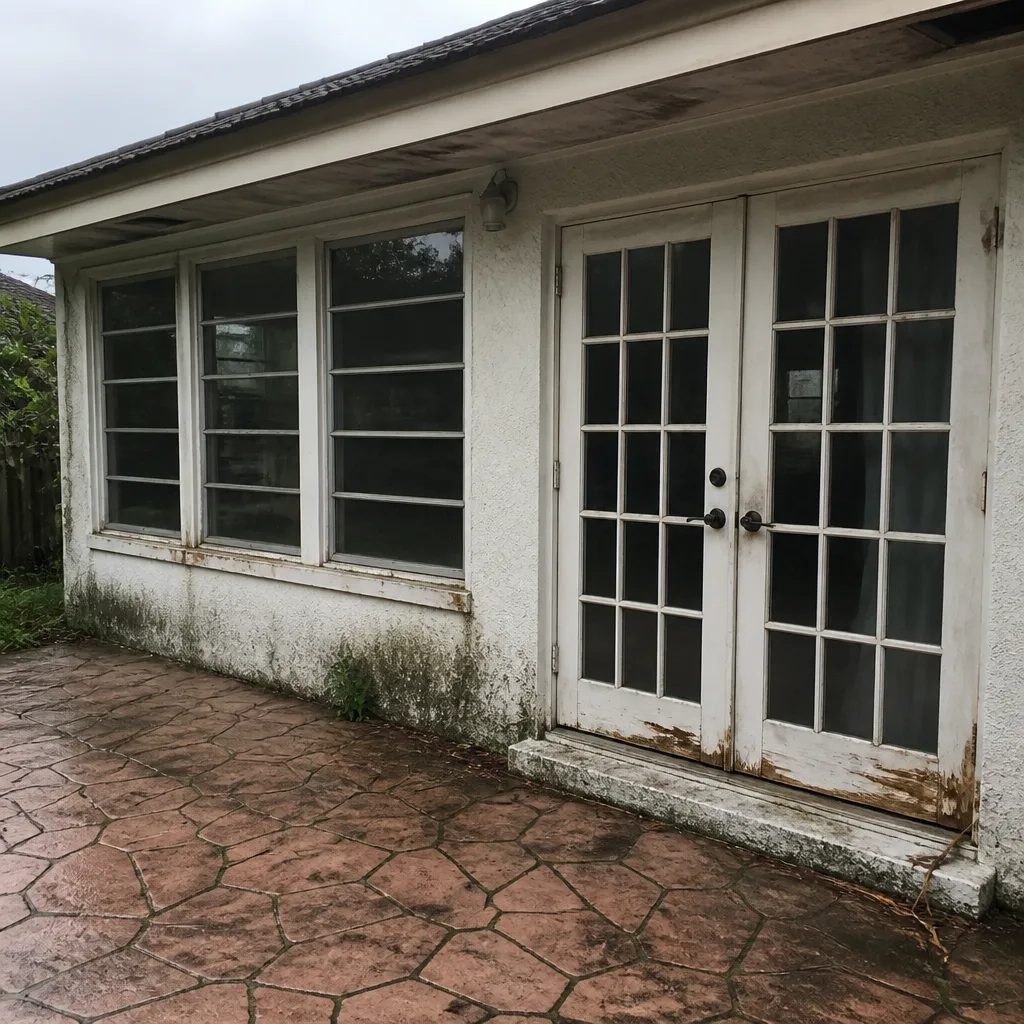 Before
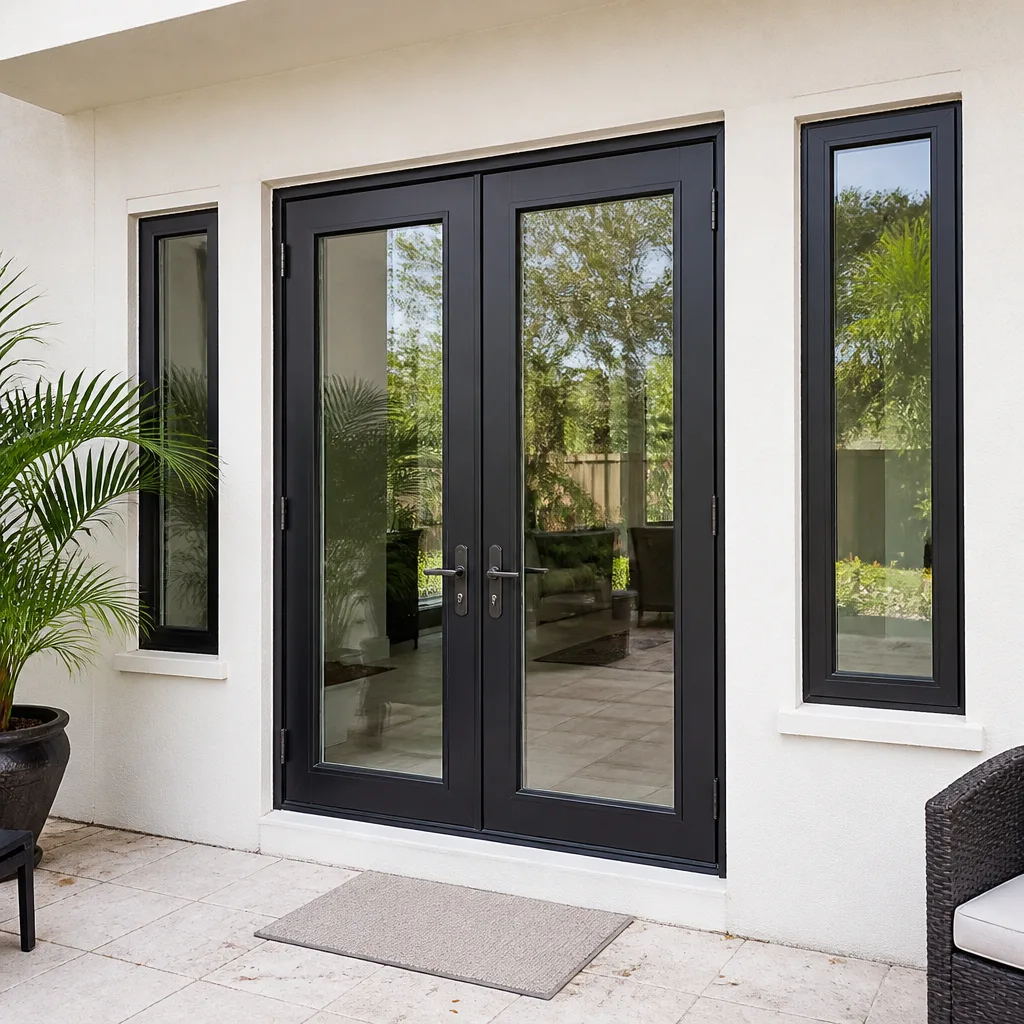 After
After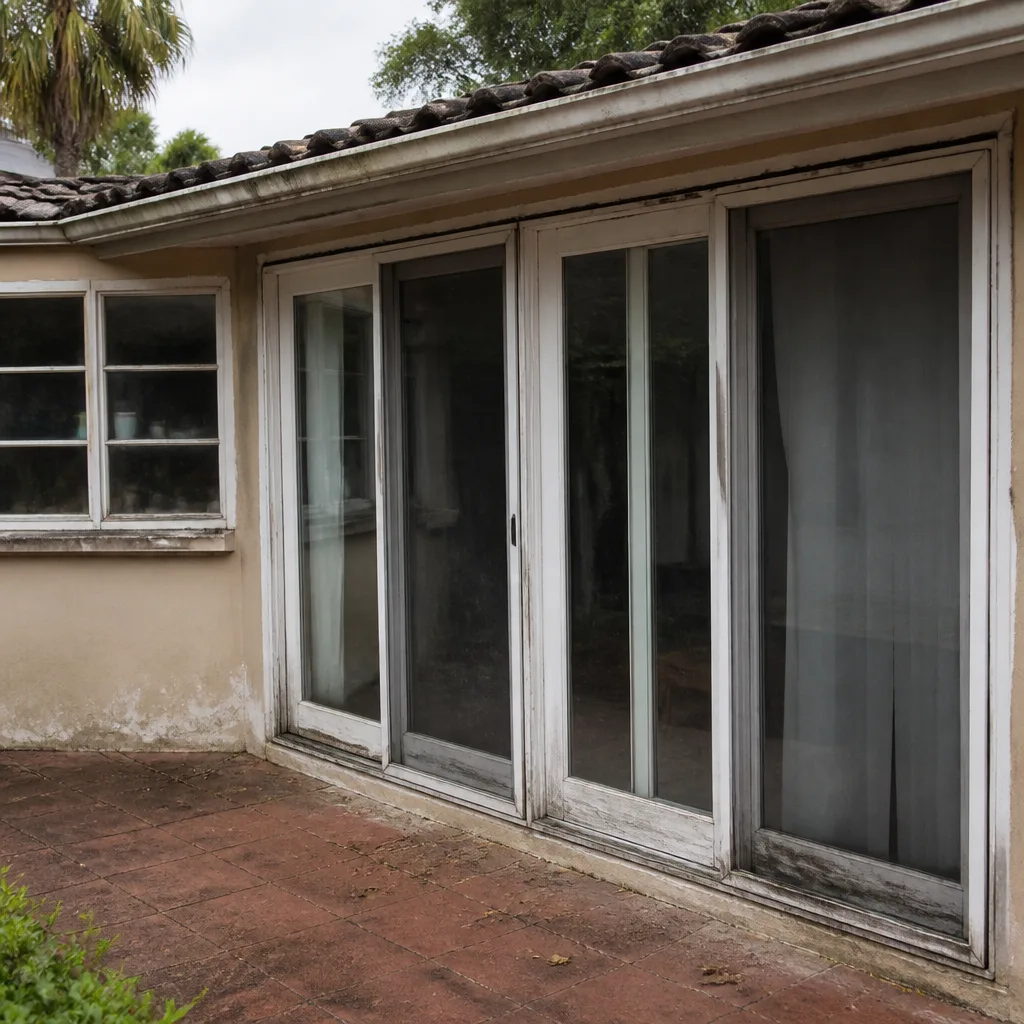 Before
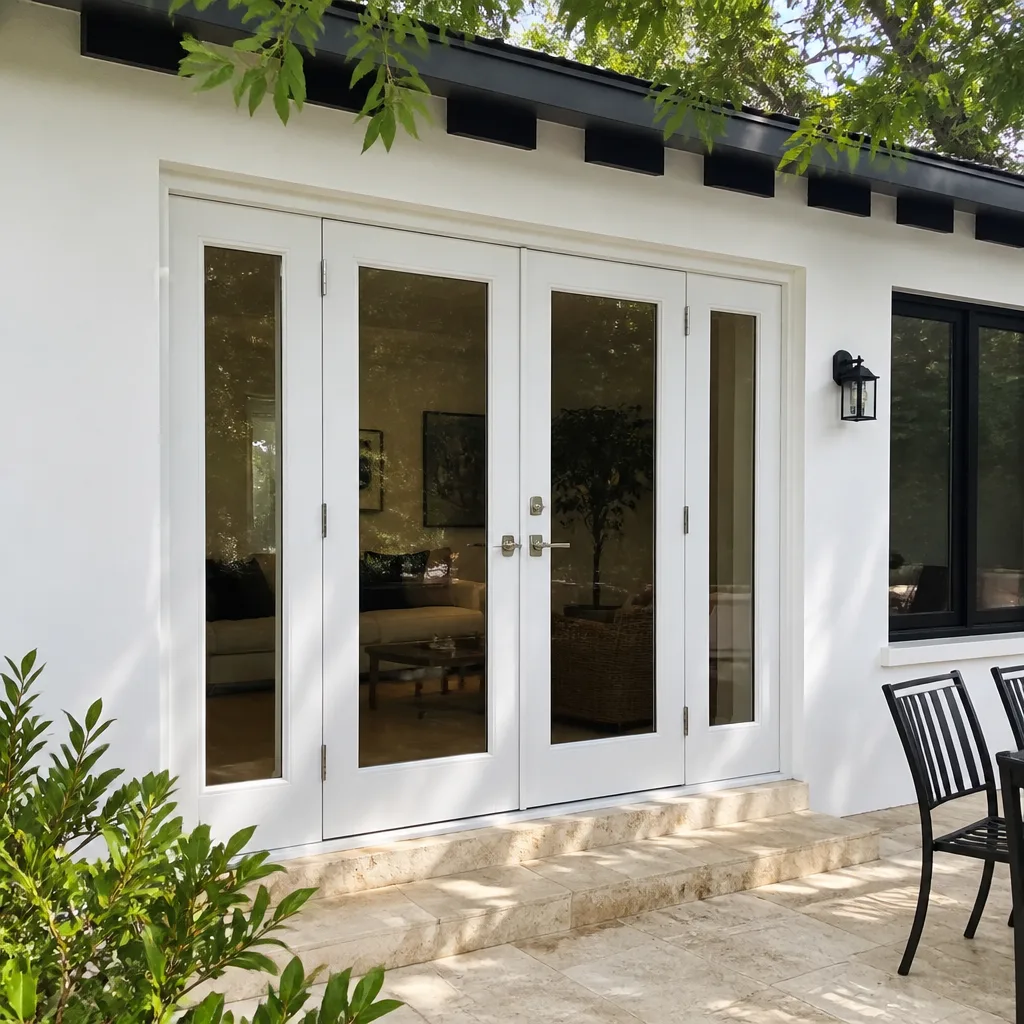 After
AfterWindow Energy Audits & Ratings in Little Gables, FL
A window energy audit in Little Gables is a structured, on-site evaluation that measures how much heat, air, and moisture your current windows are letting in or out – then produces a clear rating so you know exactly where you stand before spending a dollar on Energy-Efficient Windows services. Most audits we complete here take two to three hours and give you a written breakdown of each window’s performance, not a vague recommendation to “upgrade everything.” If your electric bill has been climbing every summer or you’ve noticed your AC running nonstop by 10 a.m., an audit is the right first step before committing to new product.
At Winslow Windows & Doors, we’ve been doing this work in Little Gables since 2011. Ed Winslow built this company on the idea that a homeowner deserves real data, not a sales pitch – so every audit we run ends with a report you can read and act on at your own pace. We’re a locally owned, owner-operated business, and when you call (727) 291-4678, a live person answers. No voicemail, no callback queue.
Our energy audit work sits within our broader Energy-Efficient Windows in Little Gables service – meaning we can move from audit to installation in one continuous relationship, without handing you off to a subcontractor you’ve never met. If you want a second opinion on a written estimate another company gave you, we offer that at no charge.
When You Need Window Energy Audits & Ratings
Not every home needs a full audit on day one, but Little Gables has a few conditions that push windows harder than most markets. The combination of South Florida’s heat index, humidity that stays elevated well into November, and the salt-laden air off Biscayne Bay creates wear patterns that don’t show up in northern installation guides. Here’s when an audit makes the most sense:
- Your FPL bill spiked without explanation. If your summer cooling costs jumped 20 percent or more compared to the prior year and your HVAC system checked out fine, window seals and glazing are the most common culprit we find in Little Gables homes built before 2005.
- You feel radiant heat near windows even with the AC on. Single-pane or low-performance double-pane glass in Little Gables faces direct west-facing sun exposure for four to six hours a day in summer. An audit will measure surface temperature differentials and tell you precisely which units are failing.
- Condensation is forming between panes. Once moisture gets between sealed panes, the insulating gas – typically argon – has already escaped. That window is performing at or below single-pane level. We see this frequently in Little Gables homes where the original windows are 15-plus years old.
- You’re prepping for a wind-mitigation or insurance inspection. Florida insurers often ask for documentation of window performance ratings. A formal audit gives you a paper trail that may support premium adjustments, particularly for impact-rated product like PGT or CGI installations.
- You bought the house recently and have no records. Sellers don’t always disclose window age or rating history. An audit establishes a baseline so you know what you’re working with – especially important if you’re in one of the older bungalow blocks along SW 16th Street or near Coral Gables’ border.
- You want to compare products before committing. If you’re considering ViewLux or PGT for a replacement project, an audit of your current windows gives you an honest “before” number. That makes it much easier to evaluate whether a proposed upgrade actually closes the gap – or whether a vendor is overselling the benefit.
Our Window Energy Audits & Ratings Process
We don’t show up with a clipboard and a flashlight. Our audit process uses calibrated equipment and follows a consistent methodology so the results mean something when you put them on paper. Here’s what happens from the time we arrive:
- Visual and historical review. We start by walking the home with you, noting window age, brand markings, any visible seal failures, frame condition, and weatherstripping wear. If you have prior energy bills or any existing documentation, we review those on-site. For homes in Little Gables’ older residential sections, we often find mixed vintages – some units replaced, some original – and that matters when we prioritize the report.
- Thermal imaging of each window unit. Using an infrared camera, we scan every window from both interior and exterior sides. This identifies heat transfer patterns that aren’t visible to the naked eye, including micro-cracks in frame seals and failing glazing compound around corners. In Little Gables, we frequently find the worst performers face southwest, where afternoon solar load is heaviest.
- Air leakage measurement. We use a blower door test or localized pressure diagnostics to measure cubic feet per minute of air exchange around each window unit. Florida Building Code has specific infiltration standards, and we document how each window compares. A window that fails this step is losing conditioned air to the outside – that’s money leaving through the frame every hour the AC runs.
- U-factor and Solar Heat Gain Coefficient (SHGC) verification. We cross-reference visible NFRC labels against published specifications for identified brands and model lines. For windows without legible labels – common in homes over 20 years old – we use field measurements and our product database to estimate performance class. Little Gables’ climate zone (2A under the IECC) requires specific SHGC thresholds, and we document whether each window meets current code minimums.
- Written ratings report and prioritized recommendations. Every window in the home gets a performance score in the report. We rank them from most to least urgent, include estimated heat gain figures for the worst performers, and note which windows are candidates for repair versus full replacement. We don’t pad the list. If six windows are fine and two are the real problem, we say so.
- Walk-through and Q&A with Ed or a senior technician. Before we leave, we sit down with you – not a salesperson – and go through the findings. You’ll understand what each rating means, what the realistic options are, and what happens if you choose to wait. If replacement makes sense, we can discuss product lines like CGI or PGT that are built specifically for South Florida’s wind and humidity loads. If it doesn’t, we’ll tell you that too.
Window Energy Audits & Ratings Pricing in Little Gables
A window energy audit in Little Gables typically runs between $175 and $450, depending on the size of the home and the number of window units being evaluated. Here’s how the range breaks down in practice:
- Small home, under 1,500 sq ft, up to 10 windows: $175 – $225. Standard single-story Little Gables bungalows or smaller condo units fall here.
- Mid-size home, 1,500 – 2,500 sq ft, 10 – 18 windows: $250 – $325. This covers most of the two-story homes in the area west of Le Jeune Road.
- Larger home or complex geometry, 18+ windows or multiple stories: $350 – $450. Homes with custom or geometric window configurations, skylights, or multiple roof lines take more time to assess thoroughly.
- Combined audit and written energy rating report for insurance or permitting: Add $50 – $100 for formal documentation formatted to Florida Building Commission or insurer requirements.
What affects the final number: travel time within Little Gables is not a factor – we don’t charge a trip fee inside our home county. Homes with hard-to-access windows (above the second story, over landscaping, or with interior obstructions) may add time. If we find a straightforward repair opportunity during the audit – a failed seal or degraded weatherstripping – and you want it addressed the same visit, that work is quoted separately and upfront before we touch anything.
If your audit total comes to $200 or more and we perform a qualifying repair, $40 comes off that repair bill – that’s a standing offer, not a promotion. Seniors and veterans get 10 percent off any service. If you already have a written estimate from another company, our second-opinion review is free.
Call (727) 291-4678 for an exact quote on your home’s audit. Estimates are free, and we don’t pressure you into next steps.
What the Energy Ratings Actually Mean for Your Little Gables Home
NFRC ratings – U-factor, SHGC, Visible Transmittance – get thrown around a lot in contractor conversations, but they’re only useful if you understand what they’re telling you in context. Here’s the short version for Little Gables specifically.
U-factor measures how quickly heat moves through the window assembly. Lower is better. In Little Gables’ climate, the U-factor matters most at night, when the air cools but interior heat built up during the day starts radiating outward (or back in, depending on your setup). A U-factor above 0.35 in a South Florida home typically means your AC is doing more work than it needs to between 8 p.m. and midnight.
Solar Heat Gain Coefficient (SHGC) is the number that matters most during Little Gables’ peak summer months, June through September, when a south- or west-facing window can add thousands of BTUs to your interior load before noon. Florida’s energy code requires an SHGC of 0.25 or lower for most residential applications in climate zone 2A. Windows rated above that threshold – common in homes built between 1985 and 2005 – are letting in significantly more solar heat than current standards allow. PGT and CGI both produce ENERGY STAR Replacement Windows glazing packages that hit 0.22 to 0.24 SHGC without sacrificing visible light, which is a practical improvement for Little Gables homes where natural light is part of the appeal.
Air leakage rating (AL) is the one most homeowners don’t know to ask about. It measures cubic feet per minute of air that passes through the frame and sash per square foot of window area. Florida Building Code caps residential windows at 0.3 cfm/sq ft. An older window with a degraded sweep seal or warped sash can run two to four times that, meaning your AC-conditioned air is bleeding out constantly. Our audits catch this with pressure testing – it doesn’t show up in a visual inspection.
The Winslow Windows & Doors home page has a full overview of our services and service area if you want context on how the audit fits into a larger window or door project.
Why Little Gables Homeowners Choose Winslow for Energy Audits
There are a few things that separate what we do from a quick walk-through by a window salesperson who’s really just trying to schedule a replacement quote.
First, Ed Winslow has been working in South Florida’s residential market since before Winslow Windows & Doors opened in 2011. He knows what holds up against Miami-Dade wind loads, what the salt air does to aluminum frames over a decade, and which product lines actually perform at their rated specs in field conditions versus lab tests. When Ed or one of our technicians runs your audit, you’re getting someone who has seen the same failure modes in Little Gables homes dozens of times – not someone reading off a checklist.
Second, we’re not going to find problems that aren’t there. Our Done Right Promise – the commitment that if it’s not done right, we make it right – only works if we’re honest about what “done right” means from the start. Inflating an audit to sell more windows would undercut that promise before the job even started. Ed’s name is on the business, and that accountability is real.
Third, every technician we send to your home is background-checked and arrives in uniform. You’ll know who’s coming before the truck pulls up. In a residential neighborhood like Little Gables, where most of our customers are long-term homeowners, that matters.
We’re authorized installers for PGT, CGI, and several other premium lines, which means if the audit leads to a recommendation for replacement, we can source and install the right product without a subcontractor in the middle. One company, one point of contact, one warranty.
FAQs – Window Energy Audits & Ratings in Little Gables
How much does a window energy audit cost in Little Gables?
A window energy audit in Little Gables typically costs between $175 and $450, depending on the number of windows and the size of the home. Smaller homes under 1,500 square feet with fewer than ten windows usually land in the $175-$225 range. Larger homes or those requiring formal written documentation for insurance or permitting may run closer to $450. There’s no trip charge for homes in our home county, and we give you a firm quote before scheduling. Call (727) 291-4678 for an exact number on your specific home – estimates are free.
What’s the difference between a U-factor and an SHGC rating, and which matters more in Little Gables?
In Little Gables’ climate, SHGC (Solar Heat Gain Coefficient) is the more critical number during the day. It measures how much solar radiation passes through the glass-often Low-E & Argon Gas Glass in modern units-and becomes heat inside your home. Florida’s energy code (climate zone 2A) requires an SHGC of 0.25 or lower for most residential windows. U-factor measures the window’s resistance to non-solar heat transfer and matters more at night or in heating climates. For Little Gables homeowners, a window with a high SHGC – anything above 0.30 is common in older homes – is adding significant cooling load from June through September. Our audit measures both values and tells you where each window falls relative to current code minimums.
Can a window energy audit lower my homeowner’s insurance in Little Gables?
A window energy audit itself won’t directly reduce your premium, but the documentation it produces can support a wind-mitigation inspection, which does affect Florida homeowner’s insurance rates. If our audit confirms that your windows are impact-rated and meet current Florida Building Code standards – as is the case with properly installed PGT or CGI product – that documentation goes into your wind-mitigation report. Florida insurers are required to offer discounts for verified opening protection, and the savings can be substantial in Miami-Dade and Broward-adjacent markets like Little Gables. We recommend discussing the documentation format with your insurer before the audit so we produce the report in a form they’ll accept.
How long does a window energy audit take, and do I need to be home?
Most window energy audits we perform in Little Gables take two to three hours for an average-size home. Larger homes with 18 or more windows may run to four hours. Yes, we ask that you or another adult be present for the full audit – not because we need you to do anything, but because the walk-through at the end is where the audit becomes useful to you. We go through every finding together, answer questions, and make sure you leave the conversation knowing what the numbers mean and what your options are. We won’t hand you a folder and disappear. Call (727) 291-4678 to schedule at a time that works for your household.
Written by Ed Winslow, Owner at Winslow Windows & Doors, serving Little Gables since 2011.
Six Reasons Homeowners Choose Winslow Windows & Doors
Impact systems engineered to design pressures up to +/-100, matched to your wind zone - your openings hold when the storm arrives.
Low-E insulated impact glass from our manufacturer lines commonly cuts monthly cooling bills 20-30%.
Laminated impact glass shuts out up to 40% of outside noise - traffic, neighbors, weather.
Monitoring services run $30-90 a month. Laminated impact glass resists forced entry around the clock, with no subscription.
Florida homeowners average around 25% savings on the windstorm portion of their policy after protecting every opening - some homes qualify for more.
A full impact package upgrades curb appeal, buyer confidence and appraised value in one project.