
Last updated August 27, 2026
Free in-home measure and quote - PGT, CGI and CWS impact lines compared on your actual openings, style by style
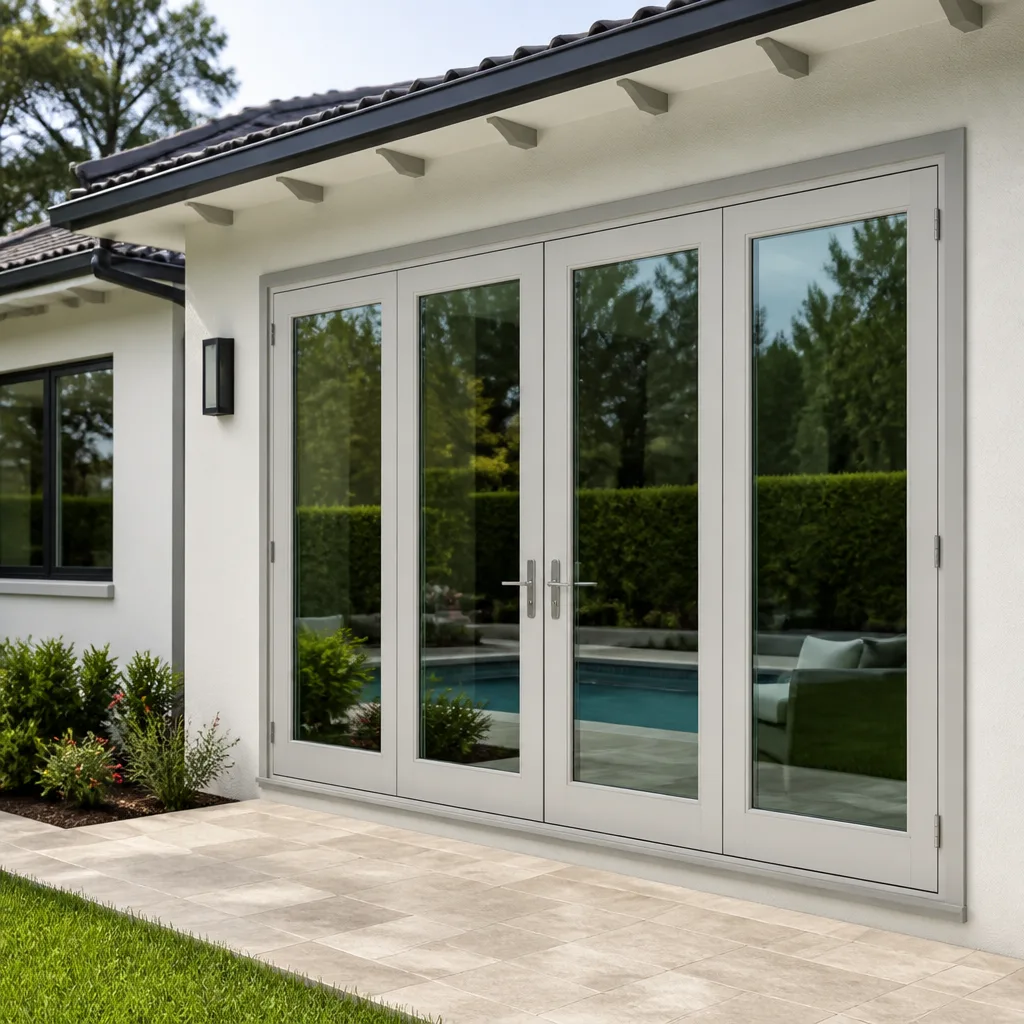
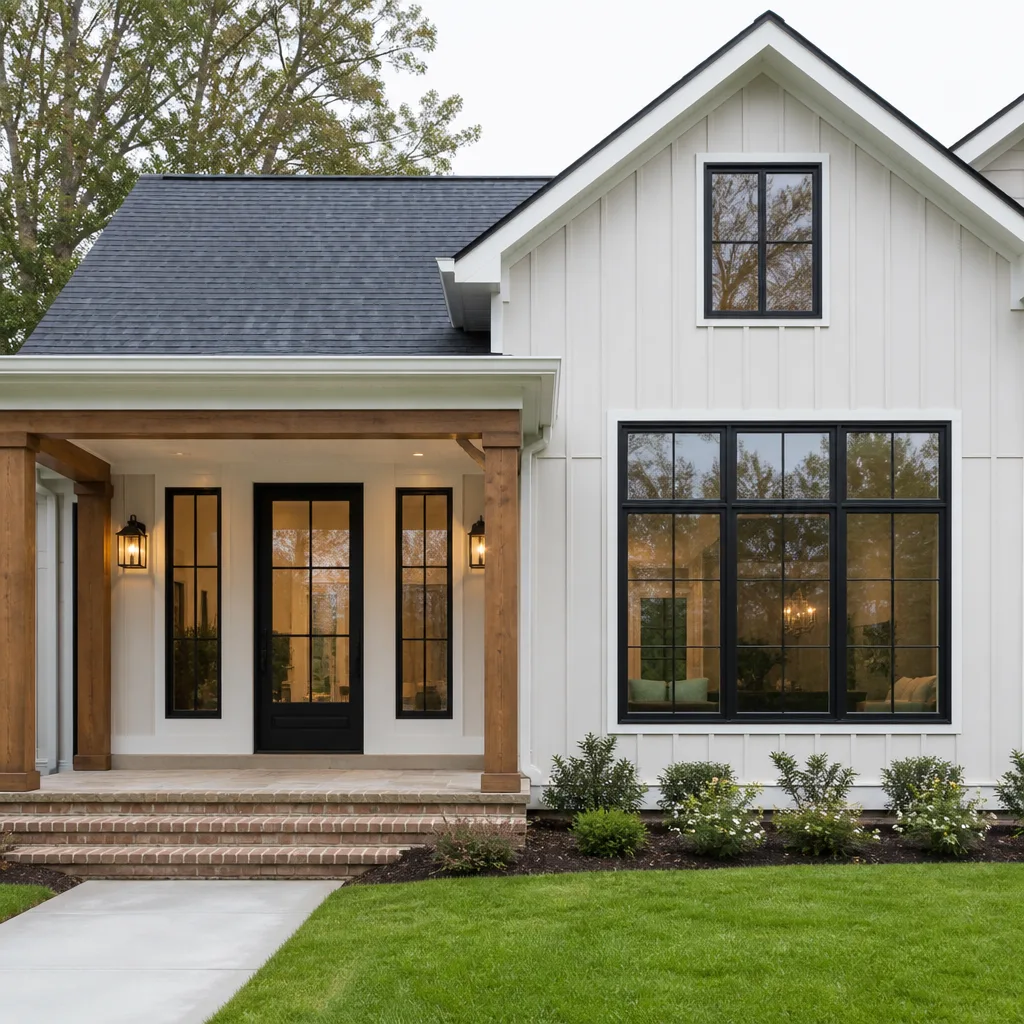
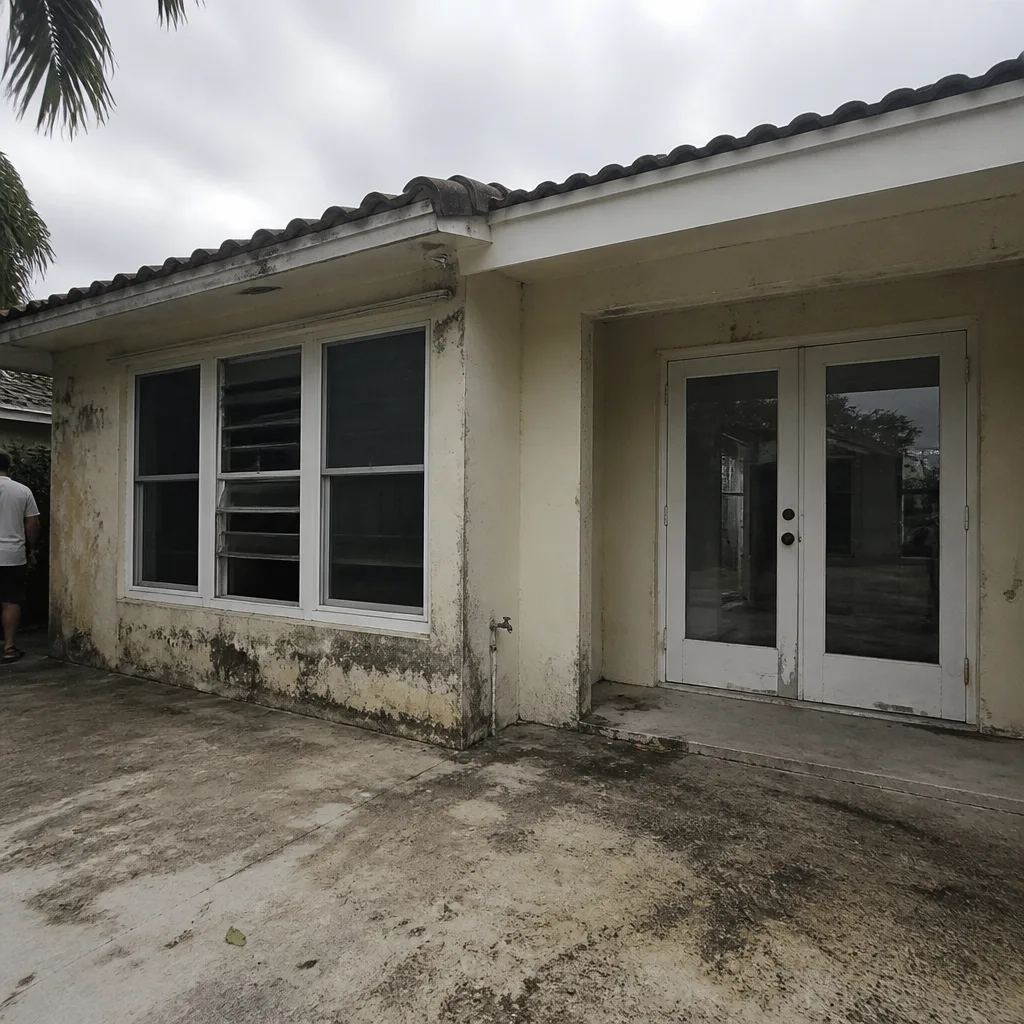 Before
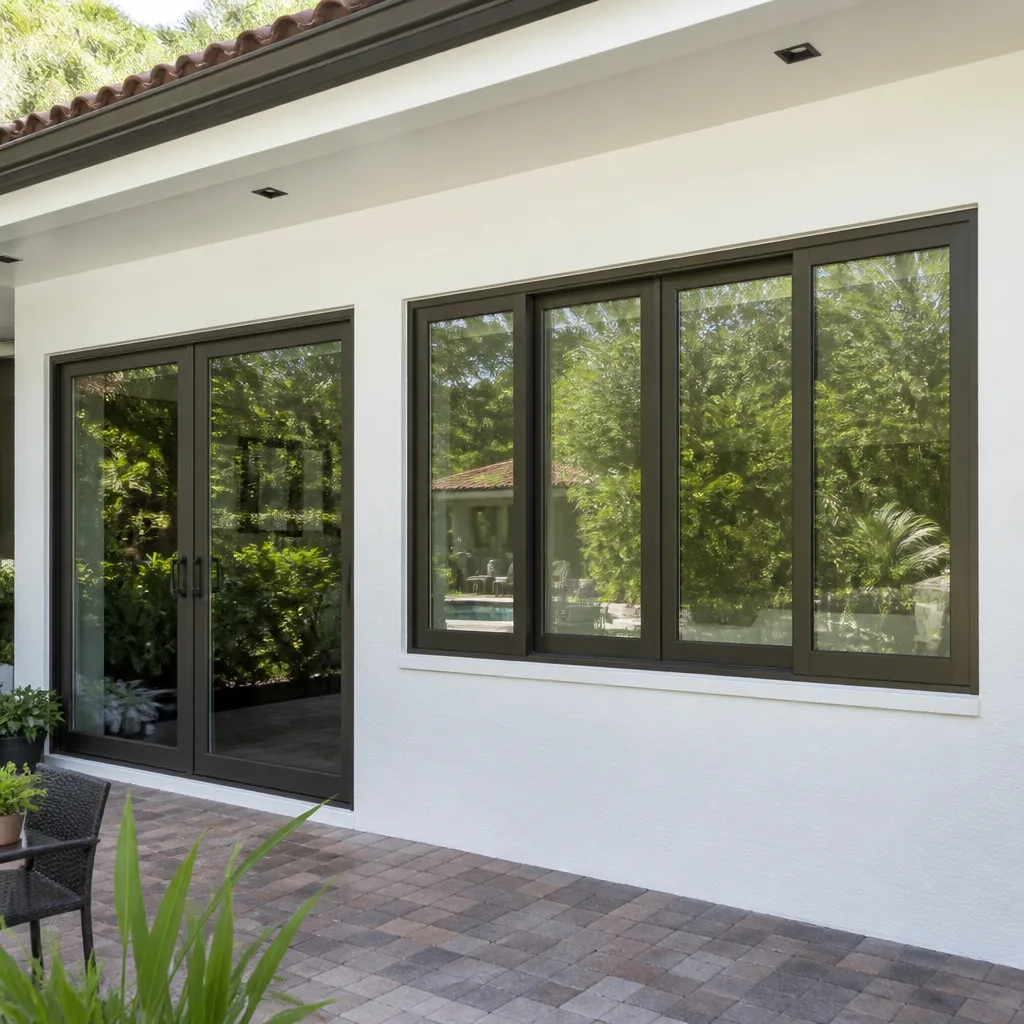 After
After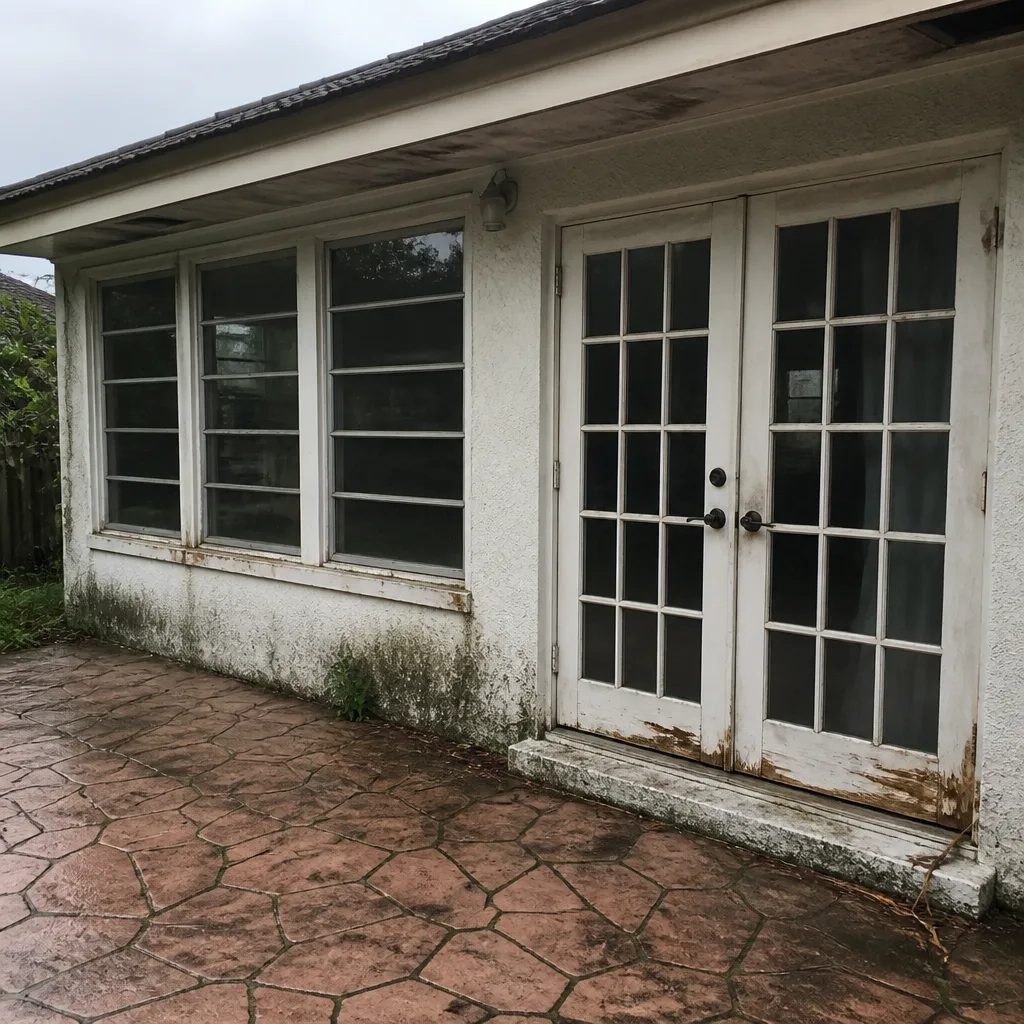 Before
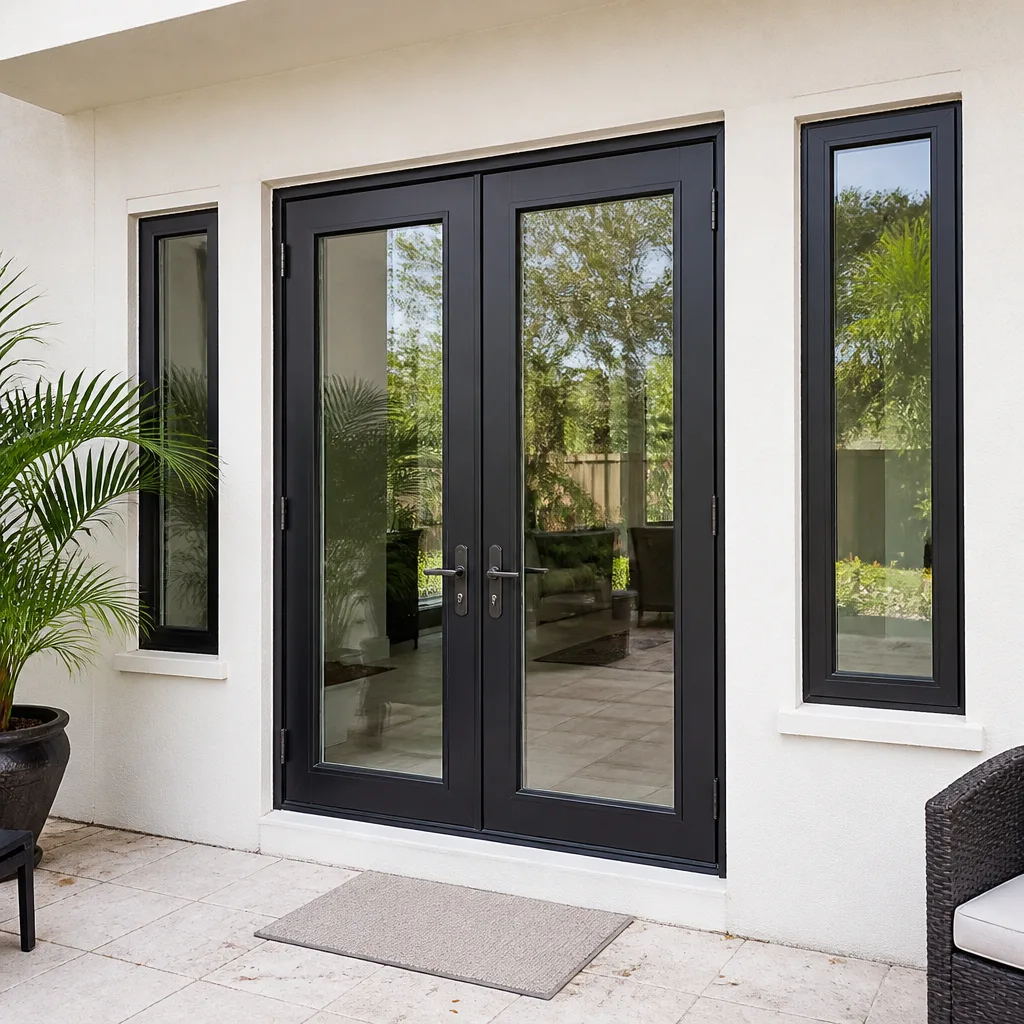 After
After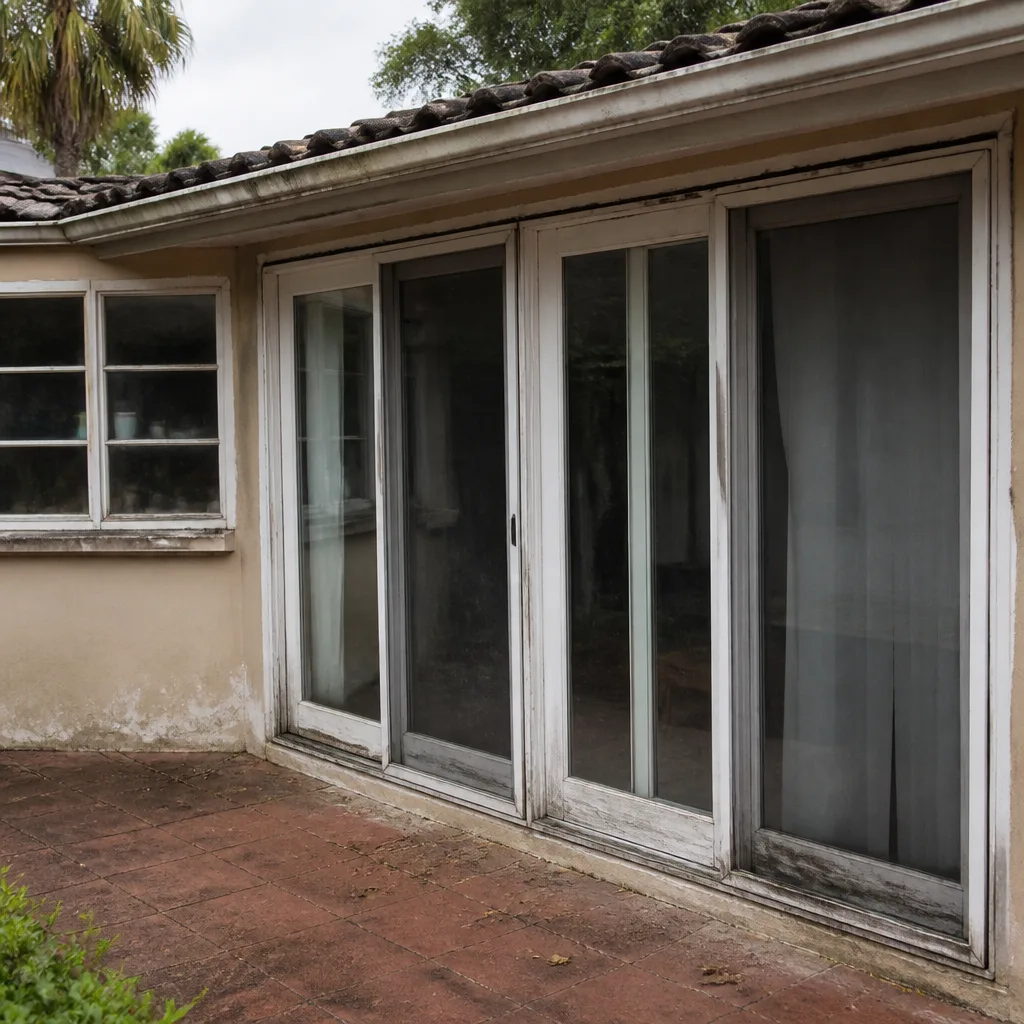 Before
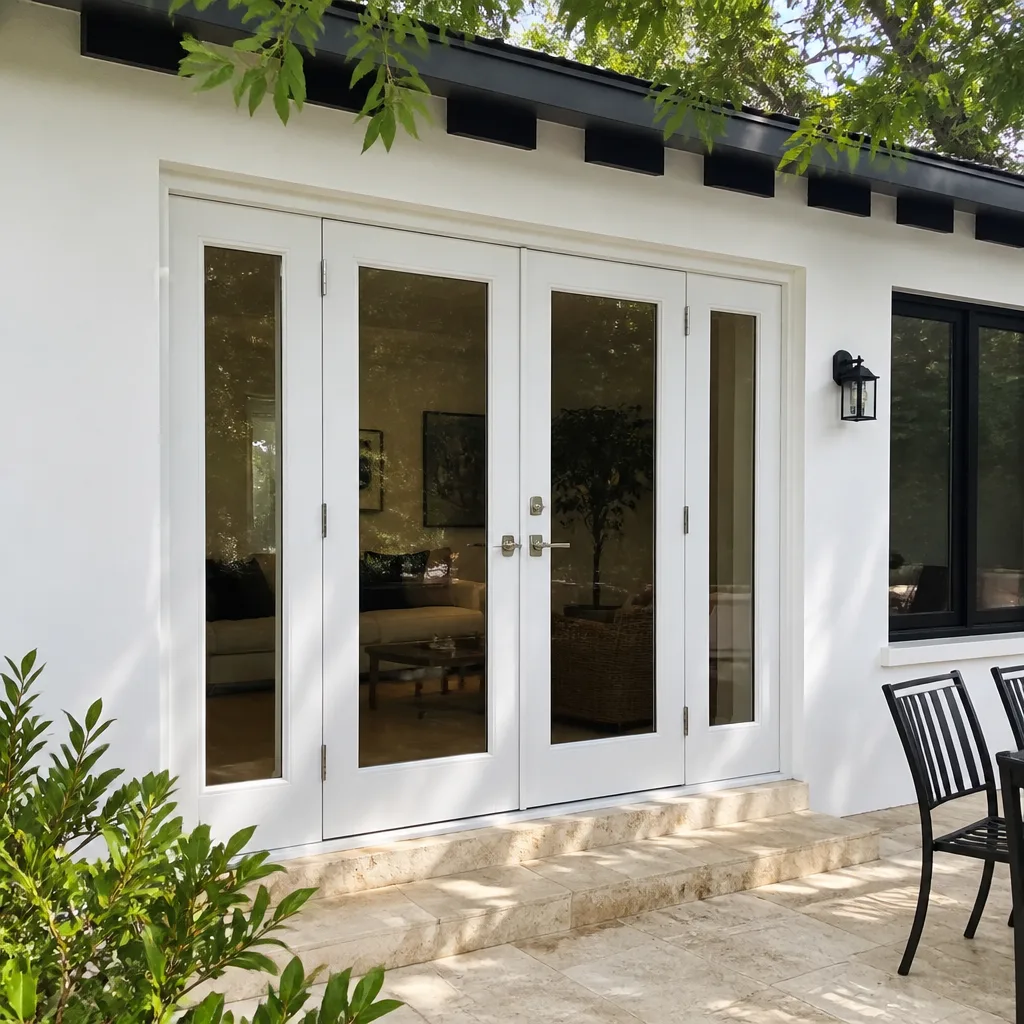 After
AfterDIY vs Professional Windows & Doors: The Little Gables Homeowner’s Decision Guide
Every year, a handful of Little Gables homeowners pull a permit, order impact windows from a supply house, and start cutting into their own exterior walls. Most of them are handy, careful people. A surprising number of them end up paying for the job twice. The reason has nothing to do with skill and everything to do with a specific Miami-Dade County rule that renders DIY installation legally valid but practically useless for the one thing that matters most in this neighborhood: the wind mitigation credit on your homeowner’s insurance. This guide explains exactly where the line falls between work you can safely do yourself and work that needs a licensed professional, and why that line sits in a different place in Little Gables than it does almost anywhere else in Florida.
Quick Answer
In Little Gables, you can legally install your own windows and doors under an owner-builder permit, but you cannot certify the installation to Miami-Dade HVHZ (High Velocity Hurricane Zone) standards without a licensed contractor’s signature. That missing signature means your new impact windows pass a visual inspection but fail the wind mitigation form that controls your insurance discount. For interior work like door hardware or weatherstripping, DIY is genuinely defensible. For anything that touches the building envelope, hire a professional.
Table of Contents
- The False Binary: Why This Decision Is Different in Miami-Dade County
- What an Owner-Builder Permit Actually Allows (and Prohibits) in Little Gables
- The HVHZ Installation Standard: What Certification Requires Beyond Skill
- The Three Scenarios Where DIY Is Genuinely Defensible
- Wind Mitigation Failure: The Insurance and Resale Consequences
- The Real Cost Comparison: DIY Material Savings vs. Compliance Costs
- Common Mistakes to Avoid
- When to Call a Professional
- Frequently Asked Questions
- The Bottom Line
The False Binary: Why This Decision Is Different in Miami-Dade County
Most “DIY vs professional” guides treat the choice like a simple cost calculation: your time plus materials versus a contractor’s labor markup. That framework works in Orlando or Tampa, where the Florida Building Code applies uniformly and a homeowner with basic carpentry skills can pull a permit and install a code-compliant window. It does not work in Little Gables, and it hasn’t since Miami-Dade adopted the HVHZ provisions after Hurricane Andrew in 1992.
Little Gables sits inside the High Velocity Hurricane Zone, one of only two areas in the United States (the other being Broward County) with a distinct, stricter building code for wind resistance. The HVHZ standard requires window and door installations to withstand design wind pressures that exceed 170 miles per hour in some exposure categories. Meeting that standard is not a matter of careful measuring and straight shims. It requires specific anchor spacing, specific sealant chemistry, specific flashing sequences, and specific product approvals called NOAs (Notices of Acceptance) that dictate precisely how each window model may be installed.
Here’s the part most DIY guides miss: the installation protocols are approved alongside the product. A PGT impact window carries an NOA that specifies exact anchor types, edge distances, embedment depths, and sealant joints. You can’t just follow generic best practices from a YouTube video. If the installation does not follow the NOA, the window does not meet HVHZ compliance, even if the product itself is manufactured to the highest standard. The product is only as good as the installation protocol behind it.
So the real question for a Little Gables homeowner is not “Can I do this myself?” It’s “Can I sign the paperwork afterward that proves it was done to a standard my insurance company and future buyer will accept?” For most people, the answer to the second question is no, and that changes the entire economic calculation.
What an Owner-Builder Permit Actually Allows (and Prohibits) in Little Gables
Florida law allows a homeowner to act as their own general contractor through an owner-builder permit. In Little Gables, that means you can legally pull a permit to replace your own windows and doors, buy the products yourself, and perform the physical installation without holding a state contractor’s license. The permit will be issued in your name, and the work will be inspected by a Miami-Dade County building inspector.
Here is what the owner-builder permit actually gives you in Little Gables:
- The right to perform the physical work. You can remove old windows, set new ones, fasten anchors, apply sealant, and install trim.
- The right to purchase products directly from suppliers. Some supply houses in Miami require an account, but many will sell to the public for cash or card.
- The obligation to pass a visual inspection. A county inspector will check that the work was completed and that visible elements look correct. The inspector is not certifying HVHZ compliance.
- The liability for the installation for the life of the home. When you sign an owner-builder permit, you become the contractor of record. Any defect discovered later, even by a future owner, traces back to you.
Here is what the owner-builder permit does not give you:
- The authority to certify the installation for wind mitigation purposes. The Uniform Mitigation Verification Inspection Form (form OIR-B1-1802) must be completed and signed by a Florida-licensed professional: a general contractor, building contractor, residential contractor, architect, engineer, or certified building inspector. An owner-builder does not hold the license required to sign this form.
- The ability to obtain NOA-specific installation certification. Product manufacturers like CGI and CWS require installers to follow their NOA protocols exactly. Many manufacturers will only honor warranty claims when a licensed, factory-authorized installer performs the work.
- Protection from enforcement action. Miami-Dade County takes unpermitted or improperly installed impact products seriously, particularly since the 2021 Surfside collapse increased scrutiny on all structural and envelope work.
In practice, the owner-builder route in Little Gables is a viable path for someone who wants to build their own home from the ground up and has the resources to hire licensed subcontractors for every trade, including window installation. It is not a viable path for someone who wants to save a few thousand dollars on a window replacement and still receive an insurance discount.
The HVHZ Installation Standard: What Certification Requires Beyond Skill
The gap between a visually clean window installation and an HVHZ-compliant one is wide enough to drive a pickup truck through. We’ve seen this in Little Gables and the surrounding neighborhoods: a homeowner replaces a jalousie window with an impact unit, the trim looks tight, the caulk line is straight, and the window functions perfectly. But underneath, the anchor spacing is wrong, the sealant is the wrong type, and the flashing was installed in the wrong order. The window looks finished, but it would not survive a design-level wind event, and the paperwork proving compliance cannot be signed.
Here are the specific installation details that separate compliant work from merely competent work under Miami-Dade HVHZ:
- Anchor type and spacing. Impact windows are secured with specific anchors, often tap-con screws or expansion anchors, placed at intervals specified in the product NOA. Typical spacing is 4 to 6 inches on center, but the exact number varies by product, substrate (concrete block versus wood frame), and design pressure rating. An installer cannot use a generic “every 6 inches” rule; they must follow the NOA for that exact window model.
- Sealant specification. HVHZ installations require sealants that meet specific performance standards (ASTM C920 or similar) and are compatible with the window frame material and the substrate. Using a big-box silicone because it “says waterproof” is not sufficient. The wrong sealant can degrade, lose adhesion, or fail during the structural movement that occurs in a hurricane.
- Flashing sequence. Pan flashing at the sill, side flashing, and head flashing must be installed in a specific order that sheds water out, not in. In Little Gables, where daily summer thunderstorms dump several inches of rain in an hour, incorrect flashing sequence is the most common cause of post-installation water intrusion we see.
- Substrate verification. Little Gables has a mix of 1950s concrete block homes and some wood-frame construction. The fastener that works in solid CMU will not hold in hollow block, and the anchor that works in 70-year-old dense lumber may split it. The installer must verify substrate condition before choosing anchors.
- Level and plumb tolerance. HVHZ protocols require tighter tolerances than standard installations. A window set 1/4 inch out of square may operate fine for years but bind during wind-induced frame deflection and transfer load incorrectly.
None of these steps requires superhuman skill. A patient, detail-oriented homeowner can learn them. What the homeowner cannot do, regardless of skill, is sign the form that attests to compliance, and that is the entire ballgame.
The Three Scenarios Where DIY Is Genuinely Defensible
We’re not going to tell you that every window and door task requires a licensed pro. That would be dishonest, and it’s not true. There are three categories of work where a Little Gables homeowner can confidently DIY without creating legal, insurance, or structural problems. Here’s exactly where that line sits.
1. Interior Door Hardware Replacement
Swapping a doorknob, deadbolt, hinge, or latch on an interior door carries zero building envelope implications. No permit is required, no inspection applies, and no wind load exists on an interior partition. Little Gables homes built in the 1940s and 1950s often have original brass hardware with worn spindles and loose rosettes, and replacing these is straightforward. If the door slab itself is being replaced, the work is still DIY-friendly if the door is interior. The moment the door is exterior, it becomes an HVHZ-governed product with NOA requirements, and the owner-builder limitation applies.
2. Screen and Sweep Replacement
Window screens and door sweeps wear out in Little Gables quickly, thanks to salt air, intense UV exposure, and daily use, so seasonal windows & doors care matters here. Replacing a torn screen or a compressed door sweep involves no structural fastening, no sealant, and no permit. A homeowner can buy screen spline tool kits at any hardware store on Bird Road and complete this in an afternoon. Weatherstripping on interior door frames falls into the same category. These are wear items, not structural components.
3. Cosmetic Trim and Interior Casing
Interior window casing and door trim are finish carpentry, not envelope work. Replacing cracked casing, installing new baseboard, or adding decorative molding around an existing window opening does not affect the window’s structural attachment or the waterproofing plane. In older Little Gables homes with original picture-rail molding or terrazzo thresholds, this kind of restoration work is satisfying and safe to DIY.
Every one of these tasks sits entirely inside the conditioned envelope or addresses finish surfaces only. Once the work involves removing the window or door unit from the opening, fastening a new unit to the structure, or applying sealant to the exterior plane, the DIY justification collapses.
Wind Mitigation Failure: The Insurance and Resale Consequences
To understand why the wind mitigation form matters, you need to know what it controls. The Uniform Mitigation Verification Inspection Form, known as the OIR-B1-1802, is the document a Florida-licensed professional completes after an impact window or door installation. The form verifies that the products installed are impact-rated and that the installation meets the code standard for the home’s wind zone. Homeowners submit it to their insurance company, which uses it to calculate premium discounts ranging from roughly 20% to 45% off the wind portion of the premium in Little Gables; see our impact windows maintenance checklist for ways to protect that investment.
Here’s the sequence that plays out when a homeowner performs a DIY impact window installation in Little Gables:
- The homeowner pulls an owner-builder permit and installs the windows.
- The county building inspector passes the work on a visual inspection.
- The homeowner calls a licensed inspector to complete the wind mitigation form.
- The inspector arrives, asks who performed the installation, and learns it was the homeowner.
- The inspector cannot sign the form for homeowner-performed work under many carriers’ guidelines, and even when allowed, the inspector becomes personally liable for certifying someone else’s unseen construction details.
- The insurance company receives no form, or a form marked “unable to verify installation compliance.”
- The homeowner pays the full wind premium with no mitigation credit.
The insurance hit is not the end. Florida law requires sellers to disclose known defects and material facts about a property. If a homeowner installed impact windows themselves, could not obtain a wind mitigation certification, and then sells the home, that sequence of events is a material fact. Failing to disclose it creates real legal exposure in a state where real estate litigation is a cottage industry. Conversely, a home with certified impact windows installed by a licensed contractor in Little Gables commands a measurable price premium and sells measurably faster.
We should be direct about what we see in the field. In our experience serving Little Gables since 2011, roughly one in five DIY impact window installations we’re called to inspect or correct has at least one substantive violation: wrong anchor spacing, unapproved sealant, missing flashing, or a product installed in a substrate its NOA didn’t cover. That’s not a comment on homeowner competence. It’s a reflection of how much specific technical knowledge the HVHZ standard demands.
The Real Cost Comparison: DIY Material Savings vs. Compliance Costs
The financial case for DIY window installation usually goes like this: a contractor quotes $18,000 for a whole-home impact window replacement in Little Gables. The homeowner prices the same windows at a Miami supply house, finds them for $9,000, and concludes they’re saving $9,000. What follows is the accounting that almost never gets written down.
Here is what a realistic cost comparison looks like for a 10-window replacement in Little Gables using mid-range PGT or ViewLux impact products:
| Cost Item | DIY Route (Owner-Builder) | Licensed Professional Route |
|---|---|---|
| 10 impact windows (PGT or ViewLux mid-range) | $8,500 – $10,500 | $8,500 – $10,500 (contractor pricing often lower) |
| Permit fees (Miami-Dade owner-builder) | $400 – $800 | $400 – $800 |
| Tools, shims, sealant, flashing, fasteners | $600 – $1,200 (some specialty tools needed) | Included in labor cost |
| Labor | $0 (your time: roughly 8-12 full days for a single installer) | $5,000 – $7,000 |
| Re-inspection fees if first inspection fails | $150 – $300 per re-inspection | Contractor bears re-inspection cost |
| Wind mitigation form (OIR-B1-1802) | $75 – $150 if an inspector will even sign it | Included or $75 – $150 |
| Correction work if compliance fails | $1,500 – $4,000 (remove and re-set windows) | Covered under contractor warranty |
| Insurance premium increase if no mitigation credit | $500 – $1,200 per year, every year | $0 |
The math collapses quickly. A homeowner who installs their own windows, fails compliance, and pays an uncertified-inspector fee plus five years of unmitigated insurance premiums has spent more than the professional installation would have cost, and they still don’t have certified windows. The material savings are real. The total cost savings, once the unseen costs land, is negative in most failure scenarios.
There is one scenario where DIY makes economic sense: when the homeowner is replacing one or two windows, has deep familiarity with the HVHZ protocols, and has already verified that a licensed inspector will sign the mitigation form for their work. That person exists. We’ve met exactly two of them in fourteen years in Little Gables.
If you’re comparing costs the other direction, the window replacement route through a licensed contractor includes the permitting, the NOA-specific installation, the inspection coordination, and the mitigation paperwork as part of one price. Our Winslow Windows & Doors home page walks through exactly how that process works in Little Gables, from first measurement to final inspection.
Common Mistakes to Avoid
- Assuming a visual inspection equals HVHZ compliance. A Miami-Dade building inspector verifies that work was performed and visible elements look right. The inspector is not completing a wind mitigation form, and passing inspection does not mean your insurance discount is secured.
- Buying windows before verifying the NOA. Not every impact window is approved for every application in Little Gables. A window approved for wood-frame installation may not be approved for concrete block, and buying a closeout deal without checking the NOA creates a $800 paperweight.
- Using the wrong sealant to save $8 a tube. This is the single most common failure we see in Little Gables. A standard silicone from the hardware store is not an HVHZ-compliant sealant, and the water intrusion it allows will not show up for two or three rainy seasons.
- Treating the owner-builder permit as a get-out-of-jail-free card. The permit makes the work legal. It does not make it insurable, certifiable, or resale-friendly. Those are separate requirements with separate paperwork.
- Skipping the flashing entirely. On 1950s block homes in Little Gables, some owner-builders assume the block itself sheds water and skip the pan flashing. That assumption produces rotted framing and mold inside the wall cavity within a few years.
- Underestimating the physical toll. A 4-by-6 impact window can weigh 150 pounds or more. Installing ten of them alone, at height, in a South Florida summer, is how hernias and dropped windows happen. This is not a weekend project.
When to Call a Professional
Call a licensed contractor when the work touches the exterior envelope: window replacement, exterior door replacement, sliding glass door installation, impact garage door conversion, or any product governed by an NOA. Call when you need the wind mitigation form signed, which is effectively every time you install impact products. Call when the home will be sold within five to seven years and you want the clean disclosure and the resale value bump. Call when you don’t want to spend your next three weekends on ladders under the Little Gables sun. Winslow Windows & Doors offers free estimates throughout Little Gables, including free second opinions on any written estimate you’ve already received. Call (727) 291-4678.
For homeowners specifically evaluating impact windows in Little Gables, we’ll walk through the product selection, the NOA verification, and the full installation sequence so you understand exactly what you’re paying for before you sign anything. And if you’re still in the research phase, our window installation guide for Little Gables covers the process step by step.
Frequently Asked Questions
Yes, Florida’s owner-builder exemption allows a Little Gables homeowner to pull a permit and install their own windows without a contractor’s license. What you cannot do is sign the wind mitigation form that insurance companies require for premium discounts, because that form requires a state-licensed professional’s signature.
You’ll pay full wind insurance rates with no mitigation credit, which in Little Gables typically costs $500 to $1,200 per year depending on home value and carrier. When you sell, the absence of mitigation documentation is a material fact you’re required to disclose, and it typically reduces the sale price or becomes a repair credit at closing.
Expect to pay roughly $1,800 to $3,200 per opening for a mid-range impact window in Little Gables, including product, permit, installation, and mitigation paperwork. The exact number depends on window size, product line, substrate conditions, and whether you’re replacing one window or ten. Call (727) 291-4678 for an exact quote with line-item pricing.
We’re factory-authorized installers for PGT, CGI, CWS, among other premium lines. Each of these manufacturers requires installers to follow NOA-specific protocols, and our installers are trained and certified on each product family.
Yes. The 10% discount for seniors and veterans is a permanent standing offer at Winslow Windows & Doors, not a time-limited promotion. It applies to all installation and replacement work in Little Gables, alongside free estimates and no trip charge inside our home county.
No. Our quotes are fixed-price with no change orders unless you request a change in scope. The price on your written estimate is the price on your invoice. Ed Winslow’s name is on the door and on every job, so we have a personal stake in the number on that estimate being the number you pay.
The Bottom Line
In most of Florida, DIY versus professional window and door installation is a genuine choice with legitimate arguments on both sides. In Little Gables, it isn’t. The HVHZ installation requirements, mandatory NOA protocols, and the wind mitigation signature requirement mean that homeowner installation of impact products produces a result that’s legal but not insurable, permitted but not certifiable. The material savings evaporate once the insurance penalty and correction costs hit. Do your own interior hardware, screens, and trim. Leave the envelope to someone whose signature counts, and browse our more guides & resources to learn what else sets Little Gables apart. Call (727) 291-4678 for a free estimate, or stop by and talk to Ed. We’re the one down the road.
Written by Ed Winslow, Owner at Winslow Windows & Doors, serving Little Gables since 2011.
Six Reasons Homeowners Choose Winslow Windows & Doors
Impact systems engineered to design pressures up to +/-100, matched to your wind zone - your openings hold when the storm arrives.
Low-E insulated impact glass from our manufacturer lines commonly cuts monthly cooling bills 20-30%.
Laminated impact glass shuts out up to 40% of outside noise - traffic, neighbors, weather.
Monitoring services run $30-90 a month. Laminated impact glass resists forced entry around the clock, with no subscription.
Florida homeowners average around 25% savings on the windstorm portion of their policy after protecting every opening - some homes qualify for more.
A full impact package upgrades curb appeal, buyer confidence and appraised value in one project.