
Last updated August 27, 2026
Free in-home measure and quote - PGT, CGI and CWS impact lines compared on your actual openings, style by style

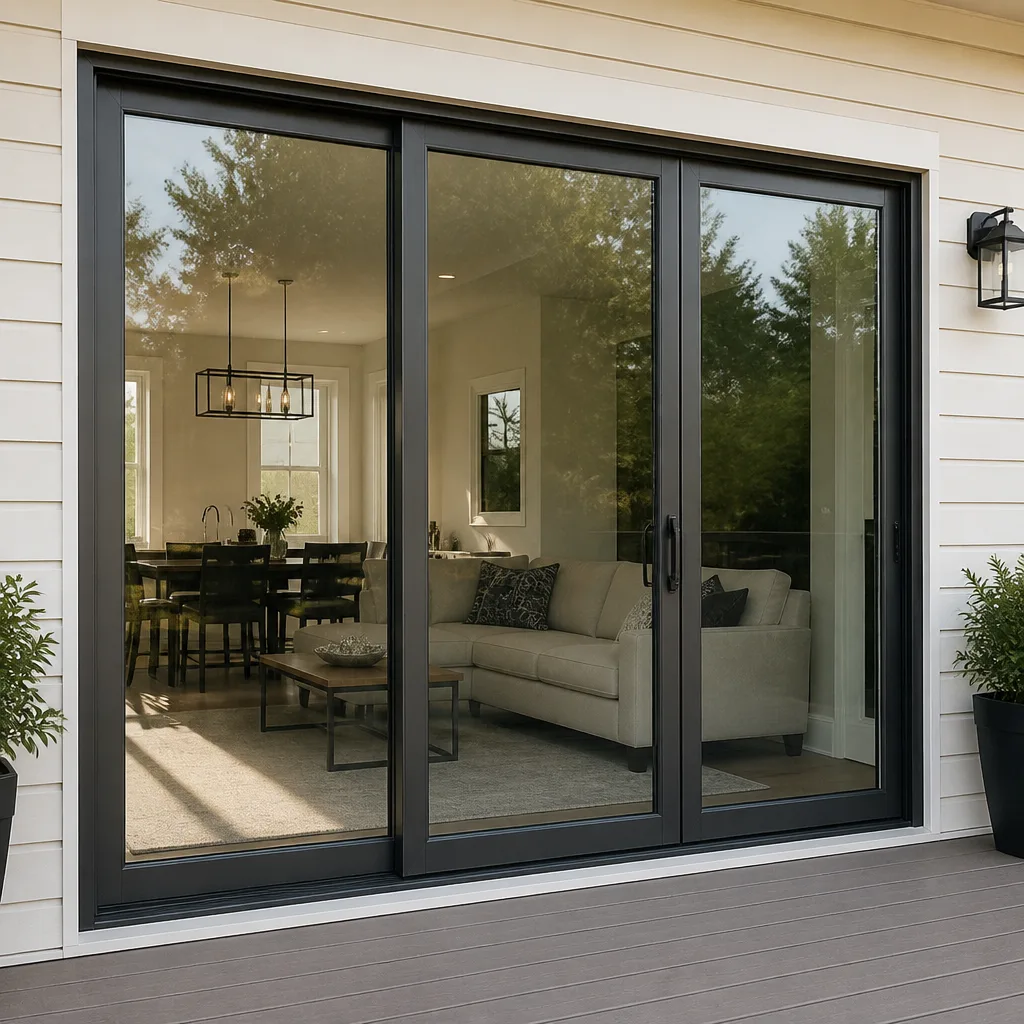
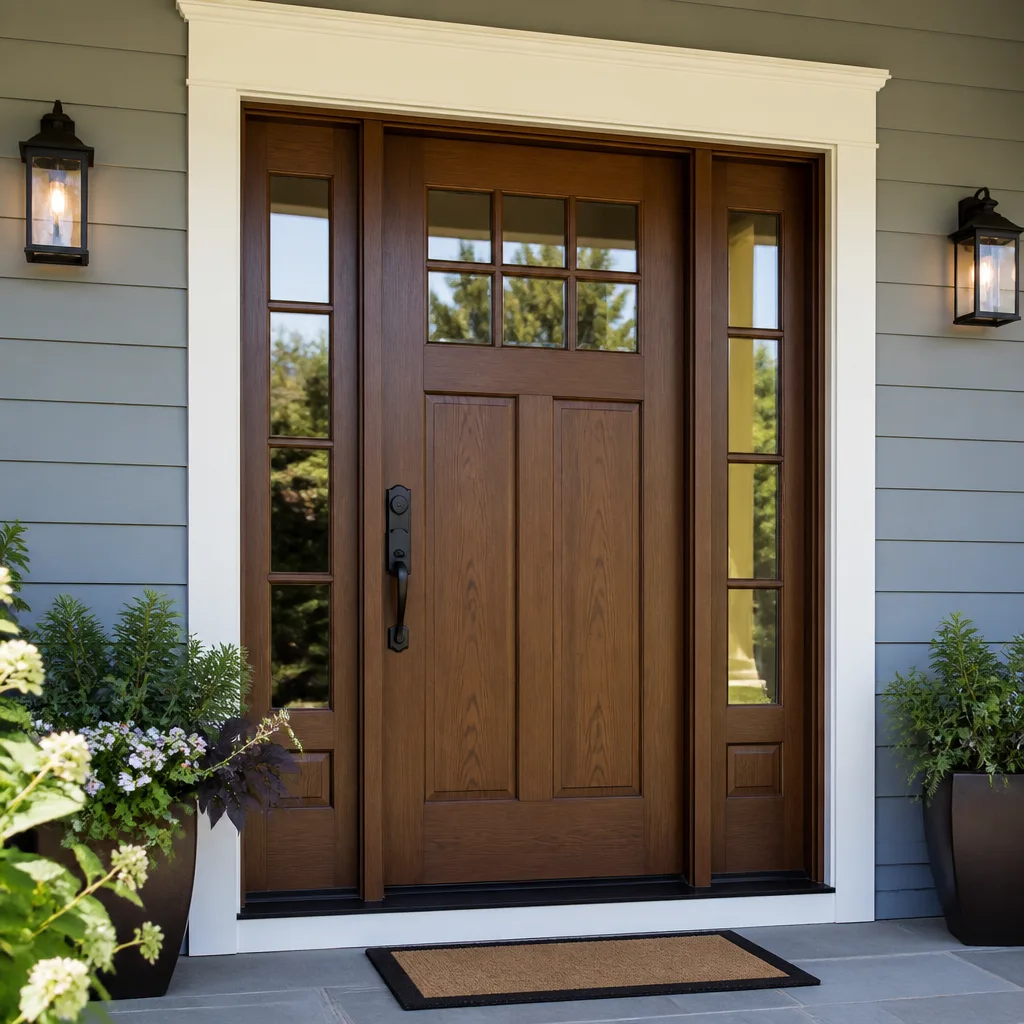
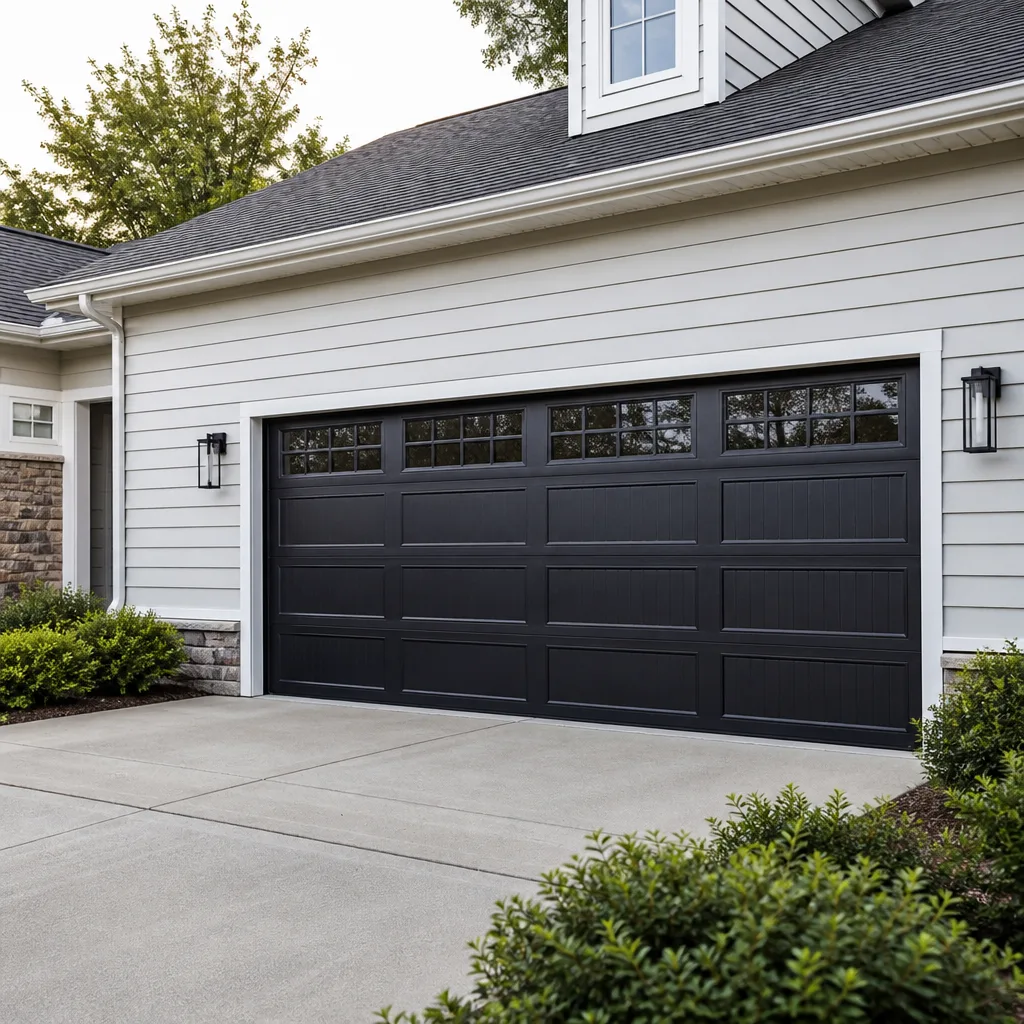


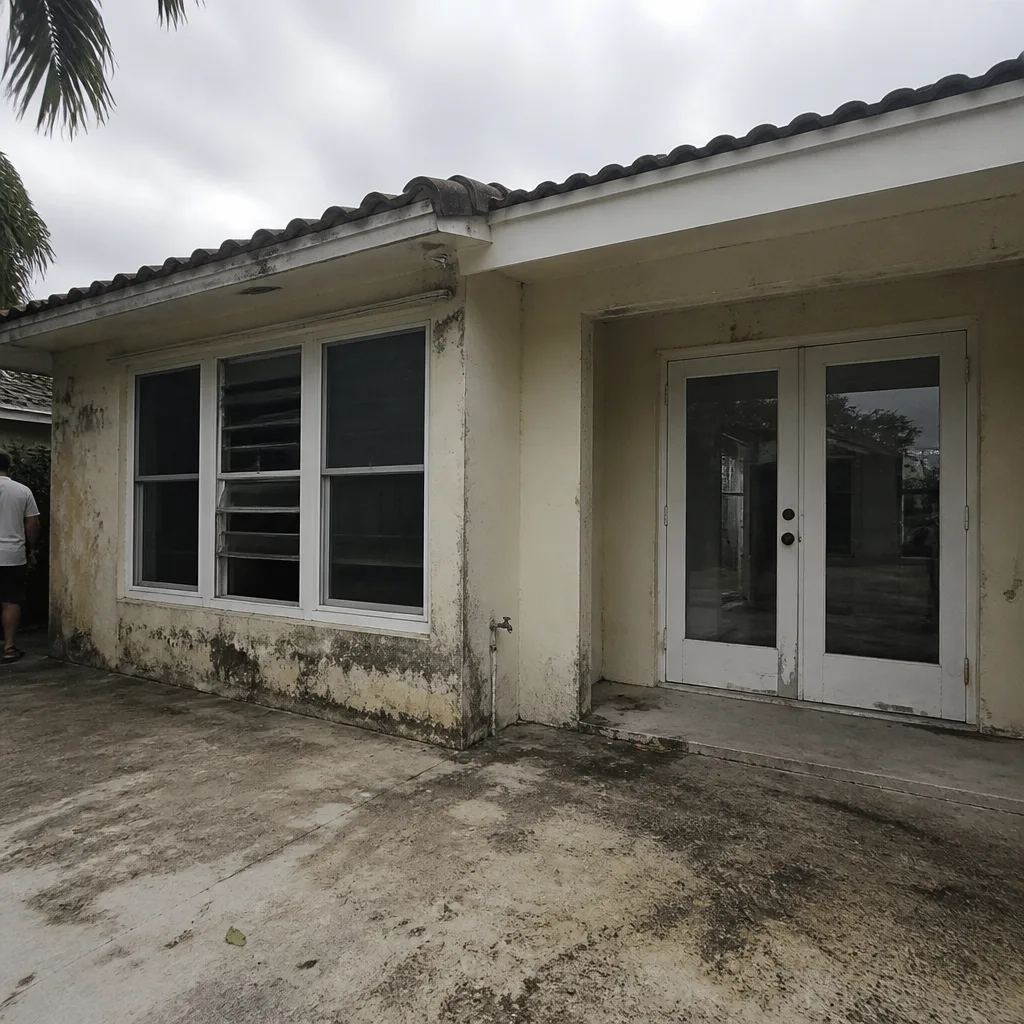 Before
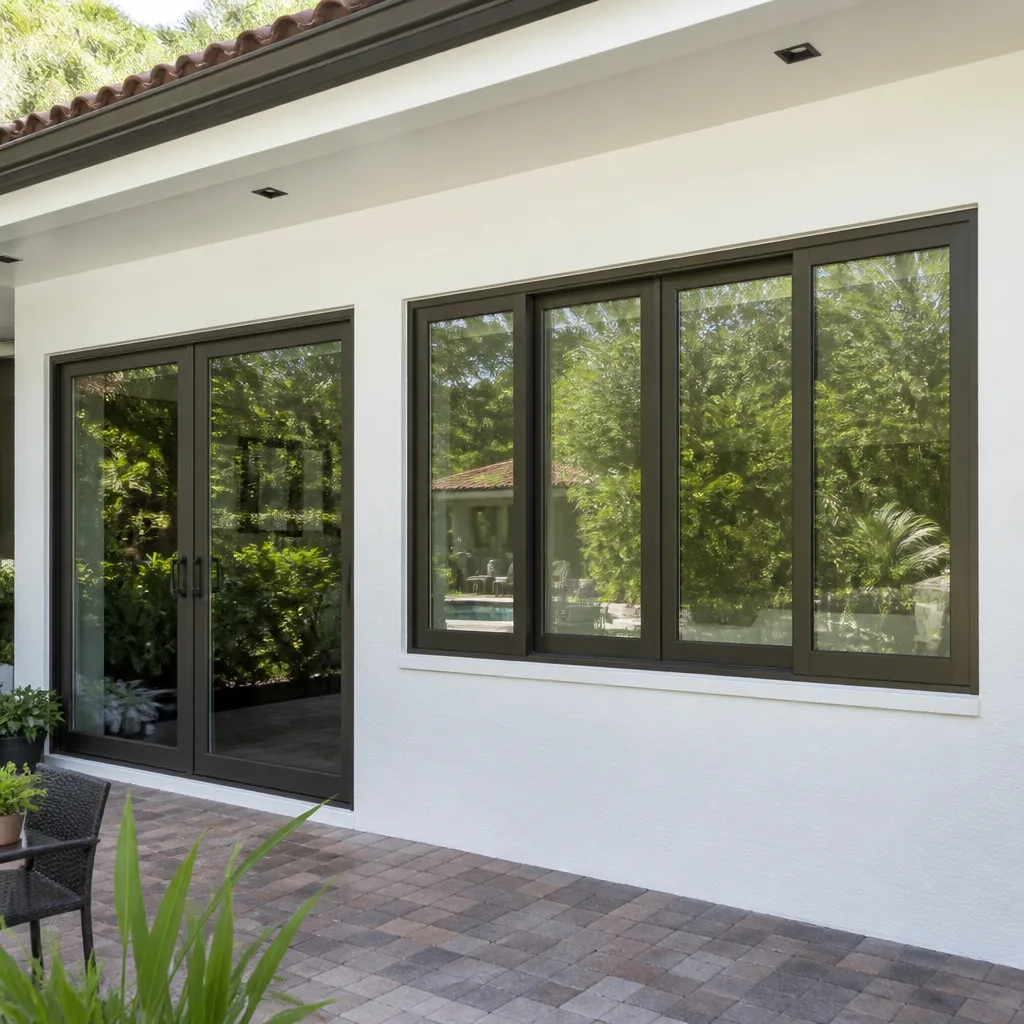 After
After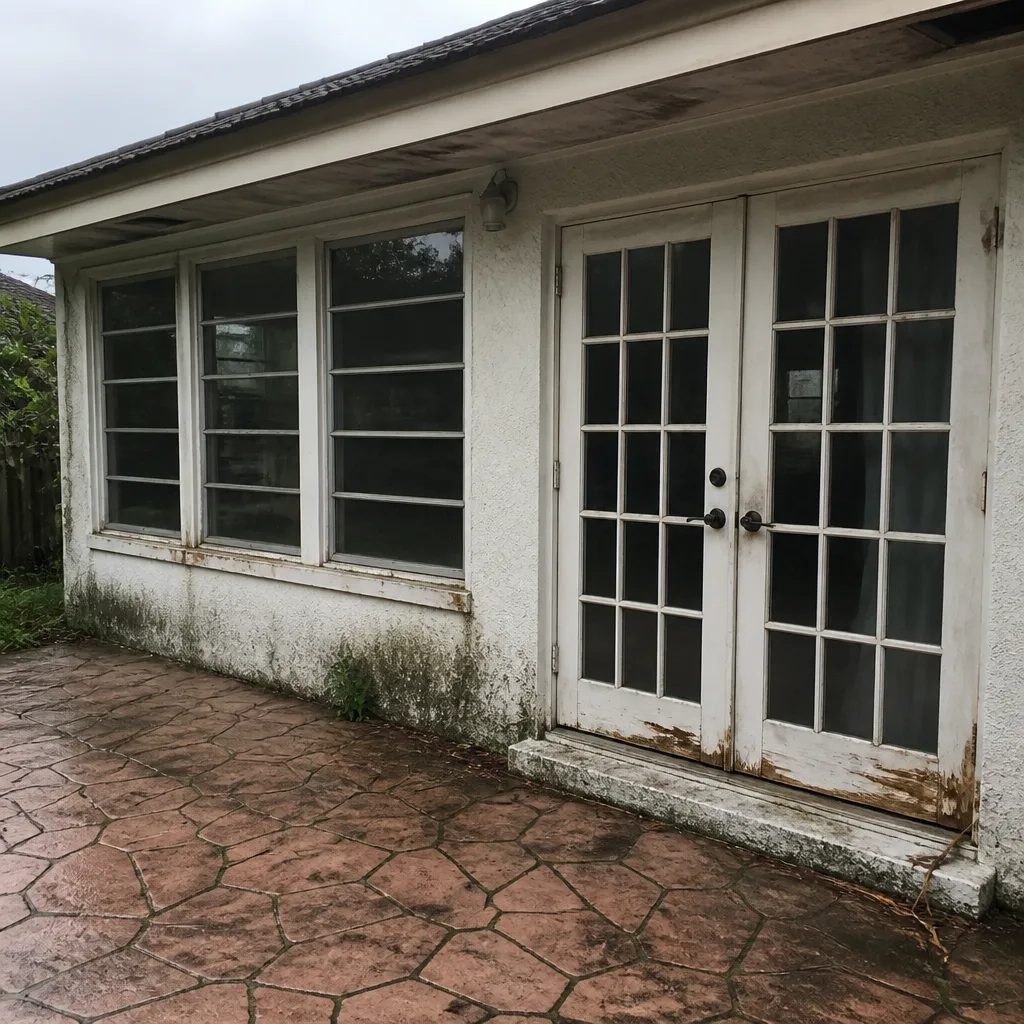 Before
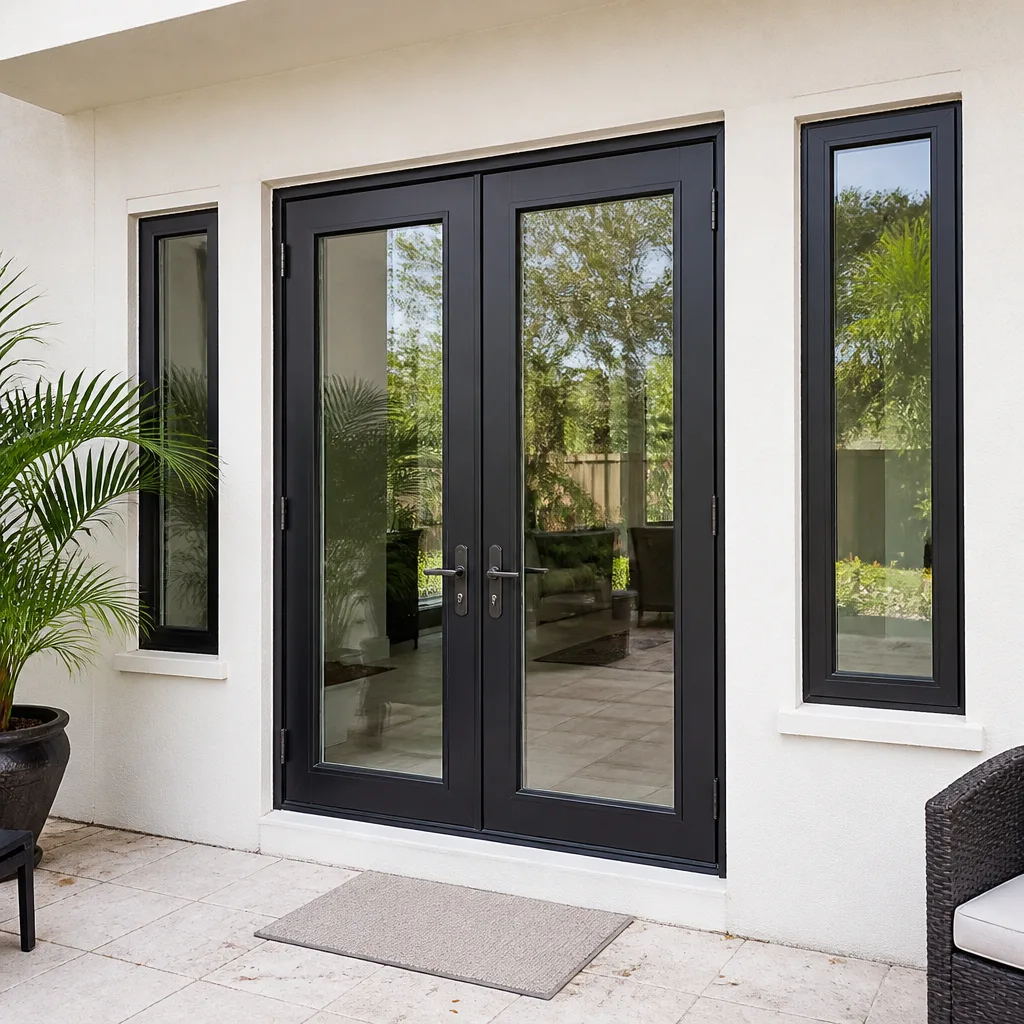 After
After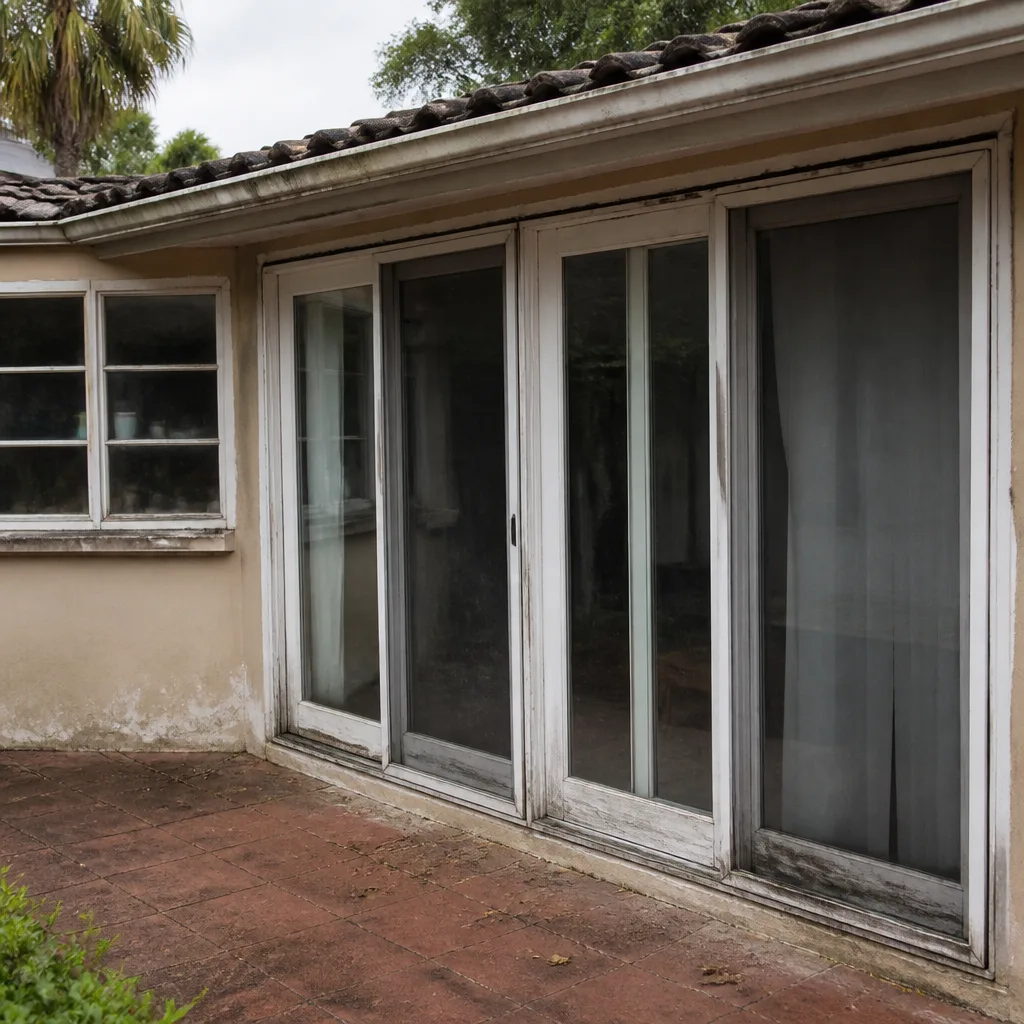 Before
 After
AfterImpact Windows Maintenance Checklist for Little Gables Homeowners
Here’s something most impact window brochures won’t tell you: the laminated glass in your units will likely outlast the aluminum frame holding it if you ignore one small thing: the weep holes. In Little Gables, salt from Biscayne Bay rides every breeze, settles into those tiny drainage channels, and hardens into a crust that traps water inside the frame. Standing water becomes corrosion, corrosion becomes frame failure, and no manufacturer warranty covers it because they classify it as owner neglect. This checklist is built for our specific coastal environment, not a generic product manual, and it covers the five maintenance points that determine whether your impact windows last 15 years or 40. For deeper seasonal guidance, see our Seasonal Windows & Doors Care for Little Gables: Year-Round Homeowner’s Guide.
Quick Answer
Impact window maintenance in Little Gables comes down to five tasks: clearing weep holes every 90 days (more during dry season when salt accumulates faster), inspecting seals and glazing compound after every hurricane season, lubricating all moving hardware twice yearly due to our humidity, wiping down frames monthly to stop salt-driven oxidation, and documenting everything after major storms. In our experience serving Little Gables since 2011, homes that follow this routine see dramatically fewer seal failures and frame replacements than homes that treat our Impact Windows services as zero-maintenance products.
Table of Contents
- The Weep Hole Protocol: Little Gables’ Most Overlooked Maintenance Task
- Seal and Glazing Compound Inspection After Hurricane Season
- Cosmetic Oxidation vs. Structural Corrosion: What’s Actually a Problem
- Hardware Lubrication Schedule for Coastal Humidity
- Storm Documentation: Protecting Your Warranty Before You Need It
- Monthly Cleaning Routine That Prevents Long-Term Damage
- Common Mistakes to Avoid
- When to Call a Professional
- Frequently Asked Questions
The Weep Hole Protocol: Little Gables’ Most Overlooked Maintenance Task
Weep holes are the small drainage channels at the bottom of your impact window frame. In a dry climate, they do their job silently for decades. In Little Gables, they clog. The combination of airborne salt, fine sand from coastal breezes, and our humidity creates a paste that hardens into a crust inside those channels, and once water can’t drain, it sits against the frame and the glazing seal. Over time, that standing water degrades the seal, corrodes the aluminum, and eventually finds its way into your wall cavity.
The fix is simple and takes about ten minutes for a typical home. You’ll need a stiff nylon brush (never metal, which can scratch the powder coating), a small flathead screwdriver wrapped in a thin cloth, and a cup of warm water with a drop of dish soap. Here’s the protocol every 90 days, or monthly during the dry season when salt accumulation peaks:
- Locate every weep hole. They’re on the exterior bottom edge of the frame, typically two to three per window depending on width. Sliding glass doors have them on the bottom track as well.
- Brush away surface debris and crusted salt. Work the nylon brush horizontally along the bottom track first to remove loose material.
- Clear the channel itself. Wrap the cloth around the flathead screwdriver tip and gently work it into each weep hole. You’re removing the crust, not widening the hole.
- Flush with soapy water. Pour slowly from the outside top edge so it runs through the internal channel and out the weep holes. If water doesn’t exit freely, the internal channel is still blocked.
- Repeat if needed. Stubborn salt crust sometimes needs two or three flushes. You can test drainage by pouring clean water and watching for a steady drip, not just a slow seep.
If water still doesn’t drain after three attempts, the internal weep channel may be blocked with debris that requires removing the sash. That’s a call to us at Winslow Windows & Doors for impact window service in Little Gables.
Seal and Glazing Compound Inspection After Hurricane Season
Hurricane season in Little Gables runs June through November, and every named storm that passes within 50 miles subjects your impact windows to sustained pressure cycling, wind-driven rain, and flying debris impact. Even when the glass survives intact (which is the point of impact-rated units), the seals around the glass and the glazing compound bedding the frame to your home take real stress. The window may look fine from the curb, but a compromised seal is invisible until it fails completely.
Here’s how to inspect without voiding your manufacturer warranty. The key word is inspect, not repair. Any sign of a problem means calling a qualified installer, not reaching for a caulk gun:
- Glass seal inspection: Look for any fogging, condensation between the glass panes, or a milky haze that can’t be wiped off from either side. This indicates the insulated glass unit seal has failed and the argon or krypton fill has escaped. On PGT and CGI units, this is typically covered under the manufacturer’s seal warranty, but only if documented promptly.
- Glazing compound check: Run your finger along the exterior bead where the frame meets the stucco or drywall of your Little Gables home. It should feel uniform and slightly flexible. Cracks, gaps, or areas where the compound has pulled away from either surface mean water has a path behind your frame.
- Interior drywall check: Inspect the wall area immediately around each window frame for softness, staining, or bubbling paint. Water that gets past a failed glazing seal doesn’t always show up on the outside first.
- Hardware stress check: After any storm with sustained winds over 70 mph, open and close each window fully. Listen for grinding, feel for resistance, and look for any visible bowing in the frame. A frame that took a hard debris hit may have shifted enough to throw the hardware out of alignment even if the glass held.
The post-hurricane walk-through is also the right time to compare what you see now against what you remember before the storm. Photograph anything questionable. If you’re not sure whether what you’re seeing is normal, a free second opinion on any written estimate is part of how we work, and it’s a standing offer, not a limited-time promotion.
Cosmetic Oxidation vs. Structural Corrosion: What’s Actually a Problem
Aluminum impact windows in Little Gables will develop some degree of oxidation. That’s not a defect; it’s chemistry. Aluminum reacts with salt air to form a chalky white or gray surface layer that looks worse than it is. The powder coating on modern PGT and CGI frames delays this significantly, but after a decade of coastal exposure, you’ll likely notice some matte dulling or light chalking on the most exposed elevations (typically east-facing windows that take the morning salt breeze off Biscayne Bay).
The distinction that matters is between oxidation and corrosion:
- Cosmetic oxidation: Surface-level, uniform, doesn’t flake, doesn’t weaken the frame. You can wipe it away with a damp cloth and it may leave a very fine residue. This is normal and doesn’t affect structural integrity. Regular cleaning slows its progression.
- Structural corrosion: Pitting, deep craters, visible bubbling under the powder coat, or areas where the aluminum is thinning to the point of flaking. In advanced cases, you’ll see white crystalline growth at joints and corners. This means the protective coating has failed and the salt is actively consuming the metal.
Structural corrosion is a replacement scenario, not a repair scenario. Once the frame’s integrity is compromised, the window can’t be relied on to hold glass securely under impact conditions, which defeats the entire purpose of impact-rated windows in a Little Gables hurricane zone. We’ve replaced frames on homes in the area where corrosion at the bottom corners had eaten through over 60% of the metal’s thickness, completely invisible until the sash was removed for inspection.
The single best prevention measure is the weep hole maintenance described above. The second is removing the salt before it has time to work: a monthly wipe-down of all exterior frames with fresh water and a microfiber cloth. No cleaning product needed, just water. Therma-Tru frames respond well to this simple routine and it extends the life of the powder coating significantly.
Hardware Lubrication Schedule for Coastal Humidity
Little Gables humidity averages above 70% year-round, which means two things for your window hardware: lubrication degrades faster and corrosion starts earlier. Casement window operators, sliding door rollers, and multi-point lock mechanisms on Therma-Tru doors are all friction points, and friction plus humidity plus salt equals premature wear. The hardware is typically the first component to fail on an otherwise healthy impact window, and it’s almost entirely preventable.
Use a dry silicone lubricant or white lithium grease, never WD-40. WD-40 is a solvent that will strip existing lubrication and attract dust, making the problem worse over time. Here’s the schedule:
- Every 6 months (we recommend aligning with daylight savings time changes so it’s easy to remember): Lubricate all moving parts on casement operators, awning window hinges, and sliding door rollers. A light application is all you need; excess lubricant attracts grit.
- Every 12 months: Disassemble and clean multi-point lock mechanisms on entry doors before lubricating. Salt crust builds up inside the lock body in coastal environments, and lubricating over the top of it just creates an abrasive paste.
- Immediately after any storm: Wipe down all exposed hardware with fresh water and reapply a light coat of lubricant. Salt spray from storm surge and wind-driven rain concentrates on hardware edges.
- When you hear it: Grinding, squeaking, or stiffness when operating a window or door is your signal that lubrication was needed three months ago. Don’t wait for the next scheduled interval; the friction is already causing accelerated wear.
Casement windows in Little Gables homes tend to be the most neglected because they’re often used less frequently than sliding doors. If you have casements on upper floors that don’t get opened regularly, cycle them fully open and closed at least once a month just to keep the operator gears from seizing. The same applies to any window you haven’t opened in months.
Storm Documentation: Protecting Your Warranty Before You Need It
Every impact window manufacturer offers a warranty, and the fine print almost always requires the homeowner to demonstrate that the product was properly maintained. In the chaos after a storm, documentation is the difference between a smooth warranty claim and a denied one. For homes in Little Gables, where we experience a near-miss or direct hit from a tropical system most seasons, this documentation should be part of your hurricane preparation routine, not something you scramble for after damage occurs.
Here’s what to document after each major storm, defined as anything with sustained winds over 50 mph in our area:
- Photograph every window and door, interior and exterior. Wide shots showing the full unit, and close-ups of the glass, frame corners, weep holes, and hardware. Date-stamp the photos.
- Note any visible glass damage. Impact-rated glass is designed to shatter in a spider-web pattern but stay in the frame. If you see this, photograph it immediately before any temporary covering goes up.
- Record any water intrusion. Note which units allowed water through, where it entered (frame joint, glass edge, weep hole backup), and how much. This is critical information for determining whether the failure was product-related or maintenance-related.
- Document your pre-storm condition. This is the one most homeowners skip, and it’s the most valuable. A quick video walkthrough of your windows on your phone the week before hurricane season starts gives you baseline documentation to compare against later.
- Keep a maintenance log. A simple notebook or digital note with dates of weep hole cleaning, lubrication, and any inspections. If a warranty claim ever goes to review, this log demonstrates the owner-neglect clause doesn’t apply.
Ed Winslow has walked more than a few Little Gables homeowners through warranty claims over the years, and the homeowners with documentation get different outcomes than the ones without. For more guides & resources, explore our blog. Our Done Right Promise means if we installed it and something wasn’t done right, we make it right, but documentation helps everyone get to the truth faster, including the manufacturer’s warranty department.
Monthly Cleaning Routine That Prevents Long-Term Damage
The most boring maintenance task is the most effective one. A monthly wipe-down of your impact windows with fresh water and a clean microfiber cloth prevents the salt and grime accumulation that turns into every problem described above. It’s the difference between a frame that lasts 20 years and one that lasts 40, and it takes less time than unloading a dishwasher.
Here’s the complete monthly routine for Little Gables homes:
- Exterior glass: Fresh water and a microfiber cloth, or a standard glass cleaner if you prefer. Avoid ammonia-based cleaners on tinted or low-E glass, as they can break down the coating over years of exposure.
- Exterior frames: Same microfiber cloth, dampened with fresh water. Focus on the bottom track and the areas around weep holes, where salt concentrates.
- Interior glass and frames: Your regular glass cleaner is fine here. The interior of your windows doesn’t get salt exposure, so this is mostly about clarity and checking that everything looks right from inside.
- Tracks and channels: Run a dry brush along the bottom track of sliding windows and doors to remove loose debris before it gets pushed into weep holes.
- Visual check: Once a month, while you’re wiping down frames, look specifically at the areas where the frame meets the wall. This is when you’ll catch early signs of caulk failure or water staining, long before they become structural issues.
If monthly maintenance feels like a lot, we understand. Some Little Gables homeowners prefer to have this handled as part of a professional inspection once or twice a year. That’s a perfectly valid approach, and window installation in Little Gables done properly includes showing you exactly what to look for so you can do the monthly checks with confidence.
Common Mistakes to Avoid
- Using a pressure washer on window frames. The water pressure forces salt and grit deeper into weep holes and behind seals, and it can strip powder coating. This is one of the most common causes of seal failure we see in Little Gables homes where exterior contractors pressure-wash the whole house without masking windows.
- Ignoring weep holes until water appears. By the time water backs up visibly behind the glass or drips inside, the internal channel has been blocked for months and the damage to seals and frame is already underway. Weep holes need prevention, not response.
- Lubricating with WD-40. It feels like the right tool because it’s what everyone has in the garage, but it dissolves the existing lubricant and leaves a sticky residue that traps salt. Use dry silicone or white lithium.
- Caulking over failed glazing compound. A caulk gun can’t fix a seal that’s already separated. The new bead will trap moisture behind it and accelerate the very problem you’re trying to solve.
- Skipping the documentation step. Every homeowner thinks they’ll remember what the windows looked like before the storm. Six months later, when the warranty claim needs to be filed, nobody remembers. Photo documentation takes five minutes and changes outcomes.
- Assuming impact windows need zero maintenance. They’re low-maintenance compared to wood windows, but the marketing line “maintenance-free” refers to the glass, not the frame, hardware, and seals. The salt air in Little Gables doesn’t care what the brochure said.
- Cleaning only the visible surfaces. The tracks, channels, and weep holes are where problems start, and they’re also the surfaces most homeowners never touch. If you only clean what you can see from the couch, you’re missing the important parts.
When to Call a Professional
Most of this checklist is DIY-appropriate, but some situations require a trained installer. If you find water between the glass panes that won’t clear, you’re looking at a failed seal on an insulated unit, and the repair involves disassembling the sash. If your frame shows any sign of structural corrosion, pitting, or flaking, the window needs professional assessment for replacement. If a window or door no longer operates smoothly even after lubrication, the hardware may need to be replaced rather than maintained. If you’re not sure whether what you’re seeing is normal oxidation or active corrosion, that’s exactly the kind of question we answer every day. For cost planning, see our Windows & Doors Cost Breakdown: The Little Gables Homeowner’s Reference for 2026. Winslow Windows & Doors offers free estimates in Little Gables, call (727) 291-4678 and a real person will answer.
Frequently Asked Questions
Every 90 days is the baseline, but during our dry season from November through April, monthly cleaning is better because salt accumulation increases when humidity drops and salt residue crystallizes faster. The cleaning takes about ten minutes for most homes, and you’ll know you’re on the right schedule if water flows freely through every weep hole each time you check.
Yes. Our average humidity above 70% combined with salt air means hardware lubricant degrades roughly twice as fast as it would in a dry inland climate. A six-month lubrication schedule keeps operators and locks working smoothly, and it’s far cheaper than replacing a seized casement operator or a multi-point lock that’s jammed with salt crust. Call (727) 291-4678 if you’re not comfortable doing it yourself.
Impact windows are always in place and require the ongoing maintenance described in this guide; hurricane shutters need to be installed and removed for each storm and maintained separately. For Little Gables homeowners who want protection without the twice-yearly shutter ritual, impact windows are the lower-effort long-term solution, provided the weep holes, seals, and hardware get their scheduled attention.
Look for fogging or condensation between the two panes of glass that doesn’t wipe off from either side, a milky haze, or slight warping in the reflection. In Little Gables, seal failures most often show up first on east-facing windows that take the morning salt breeze directly. If you see any of these signs, document them with photos and call for a professional assessment before the problem spreads.
No. The cleaning and inspection methods described here are exactly what the manufacturers recommend. What voids warranties is using abrasive cleaners, pressure washing, or attempting DIY repairs like re-caulking a failed seal. Stick to fresh water, mild soap when needed, and non-abrasive cloths, and you’ll be well within every manufacturer’s warranty terms.
DIY maintenance costs almost nothing: a microfiber cloth, a nylon brush, and a can of dry silicone lubricant will set you back about $25 total and last a year or more. If you’d rather have a professional handle it, inspection and basic maintenance service is a straightforward hourly job, and window replacement in Little Gables consultations always include a maintenance assessment. Call (727) 291-4678 for exact pricing, estimates are always free.
The Bottom Line
Impact windows in Little Gables are one of the smartest investments a homeowner can make, but they’re an investment like a car, not a rock. The salt air that makes our neighborhood beautiful is the same salt air that clogs weep holes, corrodes neglected frames, and seizes unmaintained hardware. The good news is that the entire maintenance routine fits into about 30 minutes a month and costs less than a tank of gas. Clean the weep holes. Lubricate the hardware. Inspect the seals after storm season. Document everything. That’s the whole game. Do those four things and your impact windows will do their job for decades. Winslow Windows & Doors has been helping Little Gables homeowners get this right since 2011, and we’re the one down the road when you need us.
Written by Ed Winslow, Owner at Winslow Windows & Doors, serving Little Gables since 2011.
Six Reasons Homeowners Choose Winslow Windows & Doors
Impact systems engineered to design pressures up to +/-100, matched to your wind zone - your openings hold when the storm arrives.
Low-E insulated impact glass from our manufacturer lines commonly cuts monthly cooling bills 20-30%.
Laminated impact glass shuts out up to 40% of outside noise - traffic, neighbors, weather.
Monitoring services run $30-90 a month. Laminated impact glass resists forced entry around the clock, with no subscription.
Florida homeowners average around 25% savings on the windstorm portion of their policy after protecting every opening - some homes qualify for more.
A full impact package upgrades curb appeal, buyer confidence and appraised value in one project.