
Last updated August 27, 2026
Free in-home measure and quote - PGT, CGI and CWS impact lines compared on your actual openings, style by style
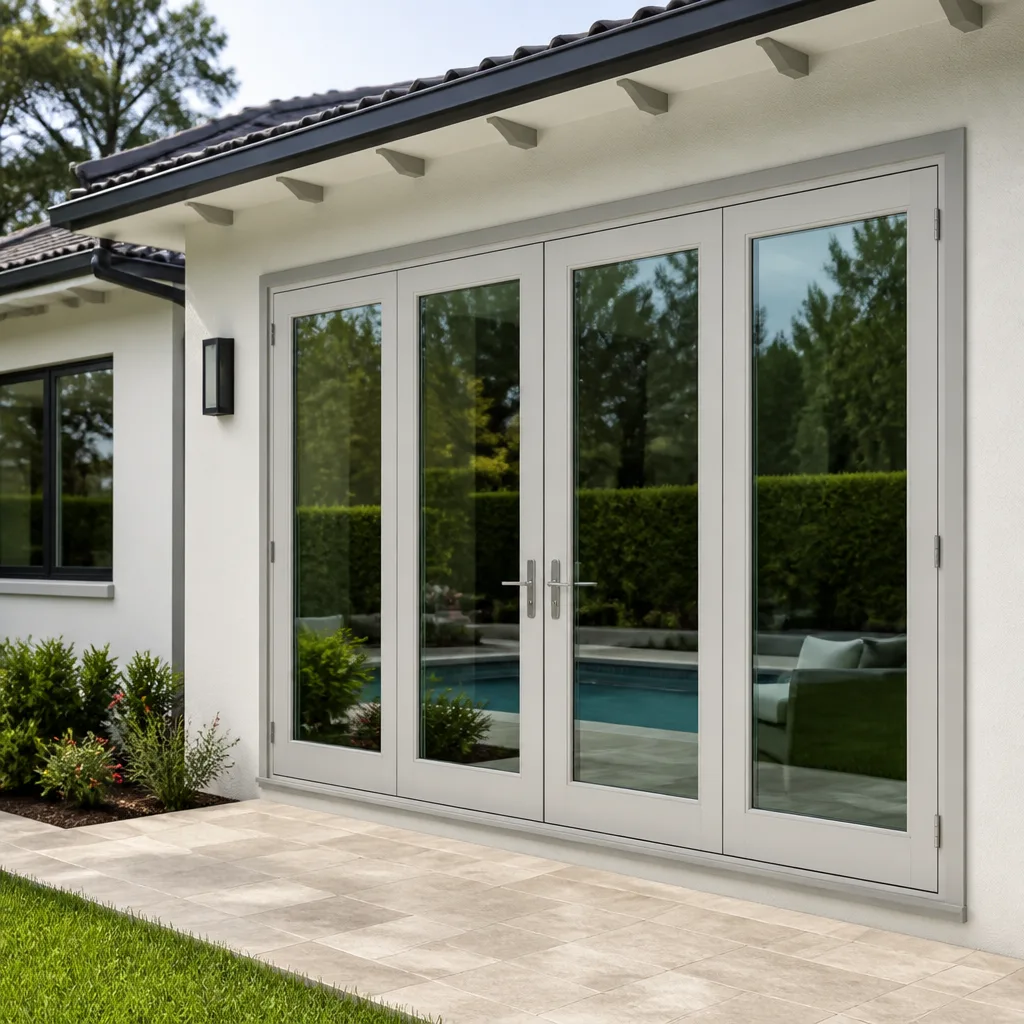

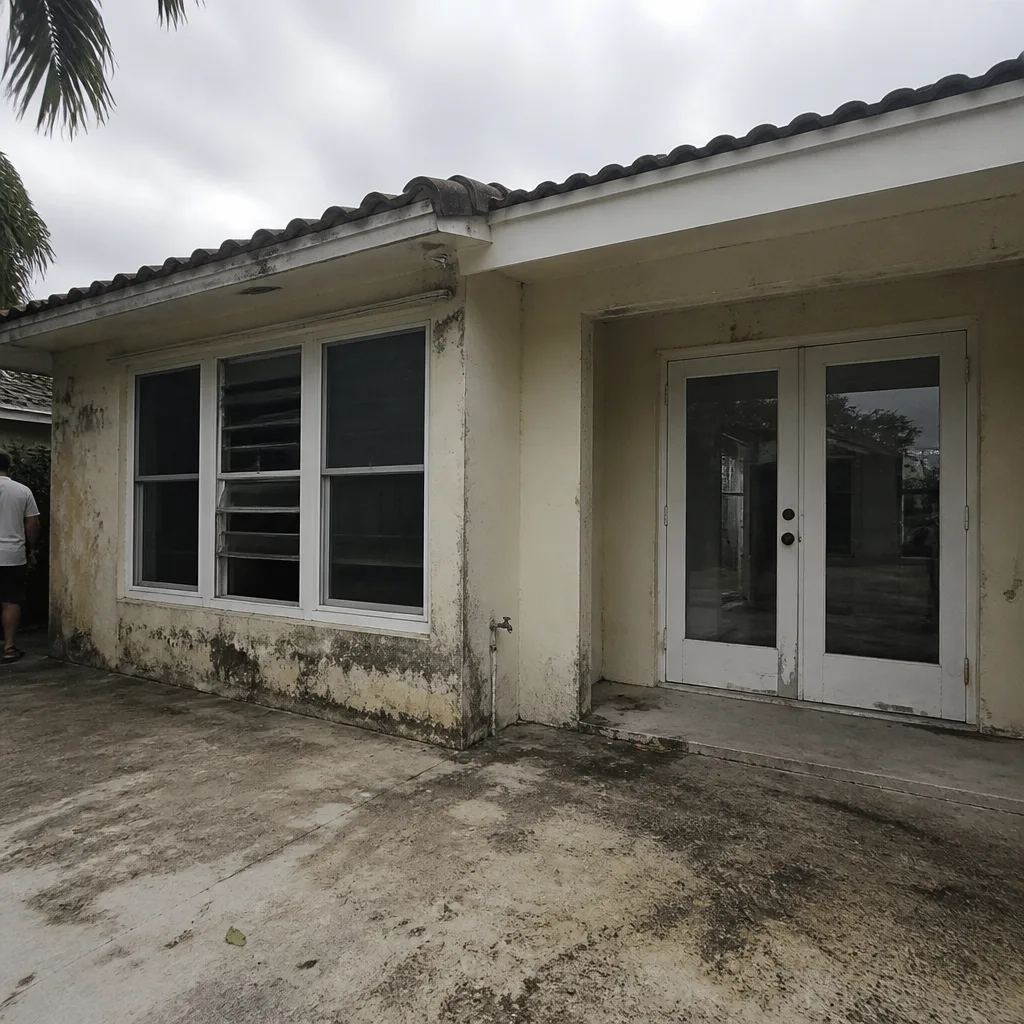 Before
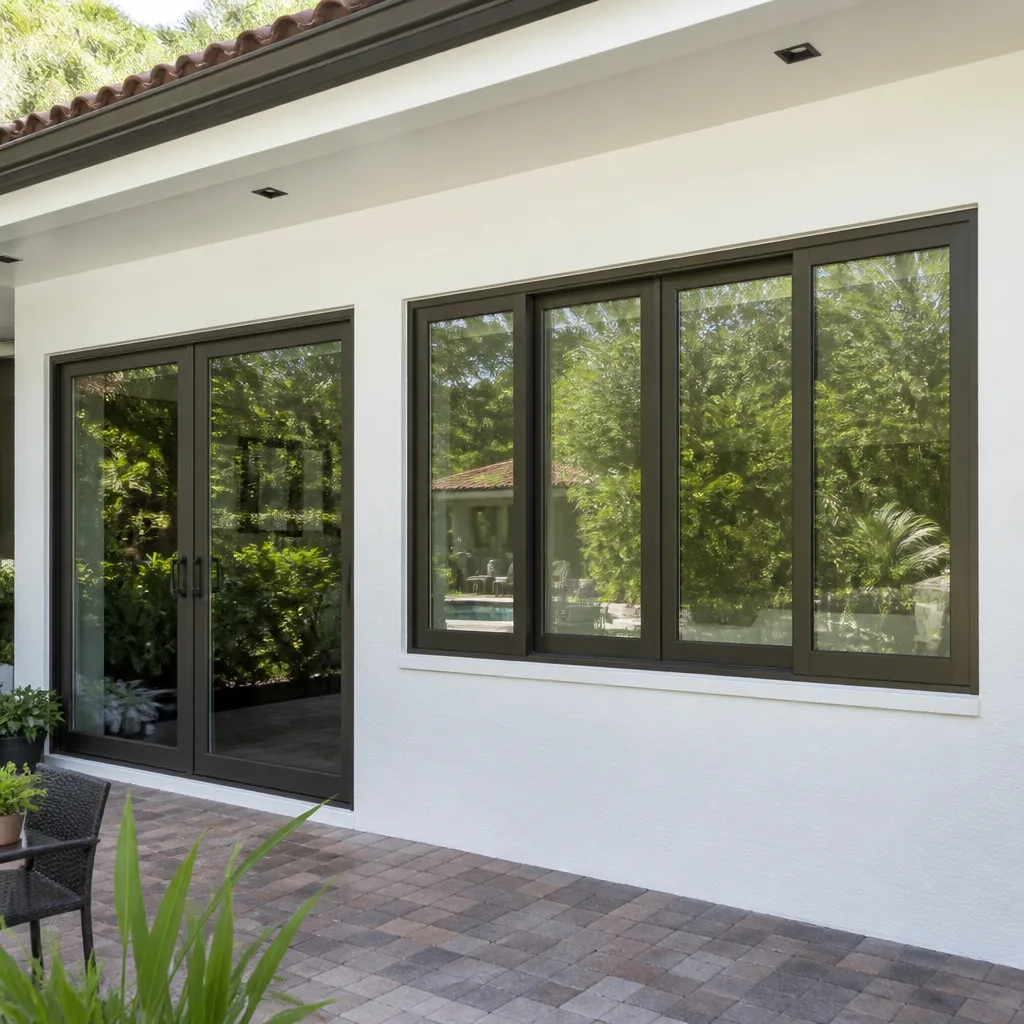 After
After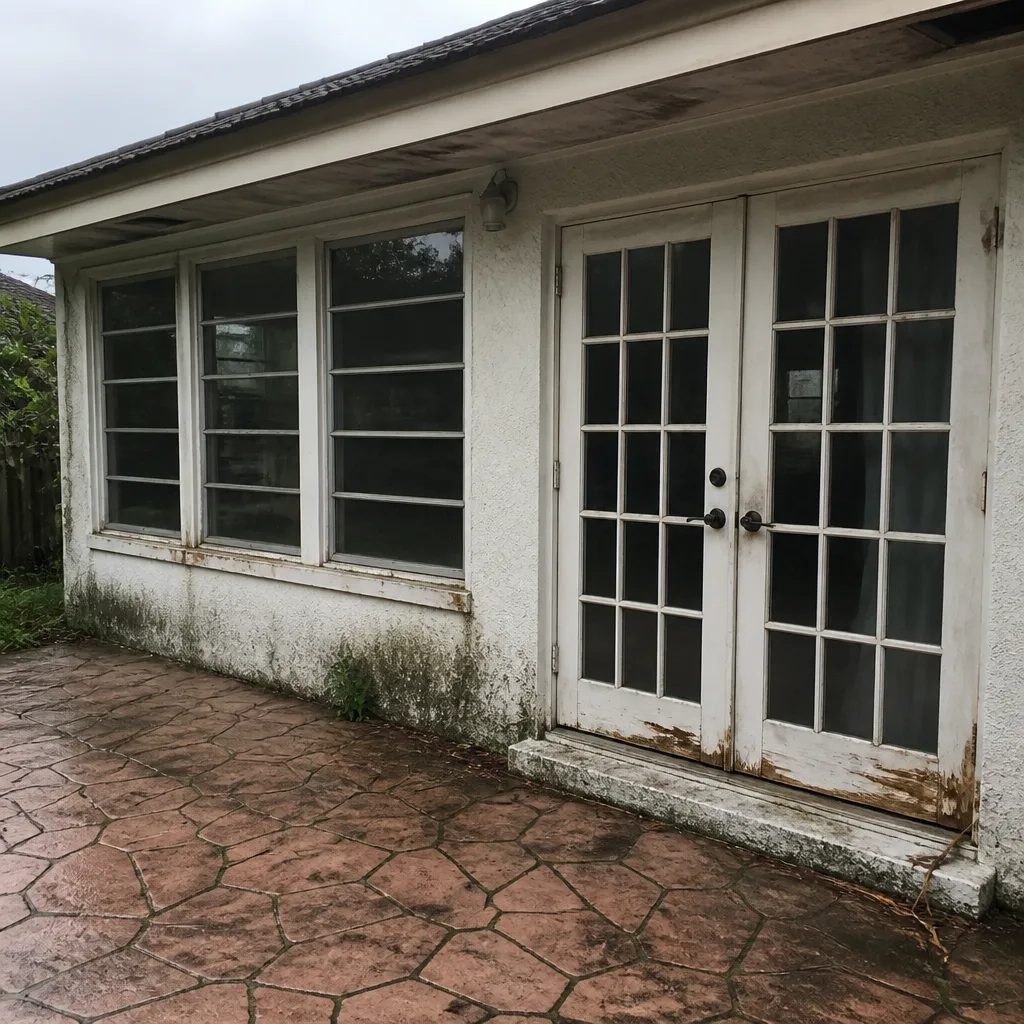 Before
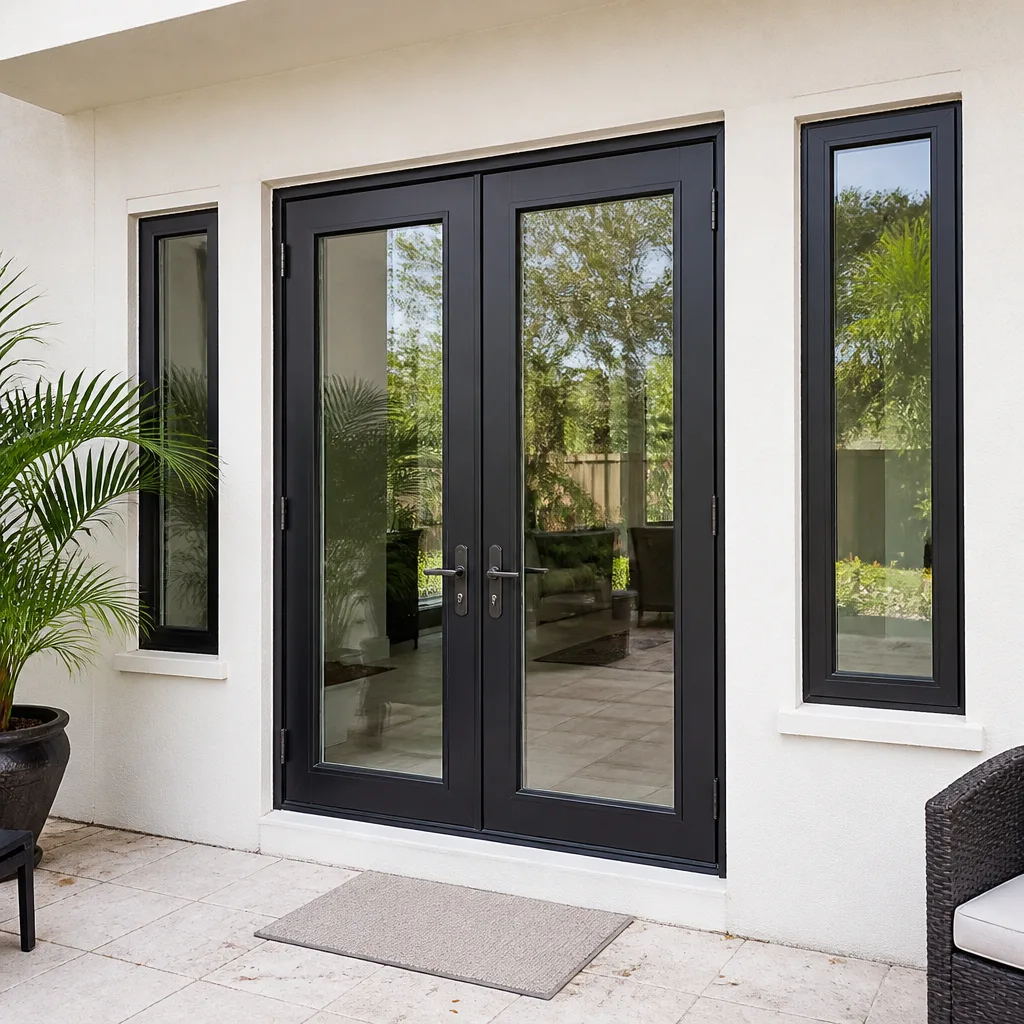 After
After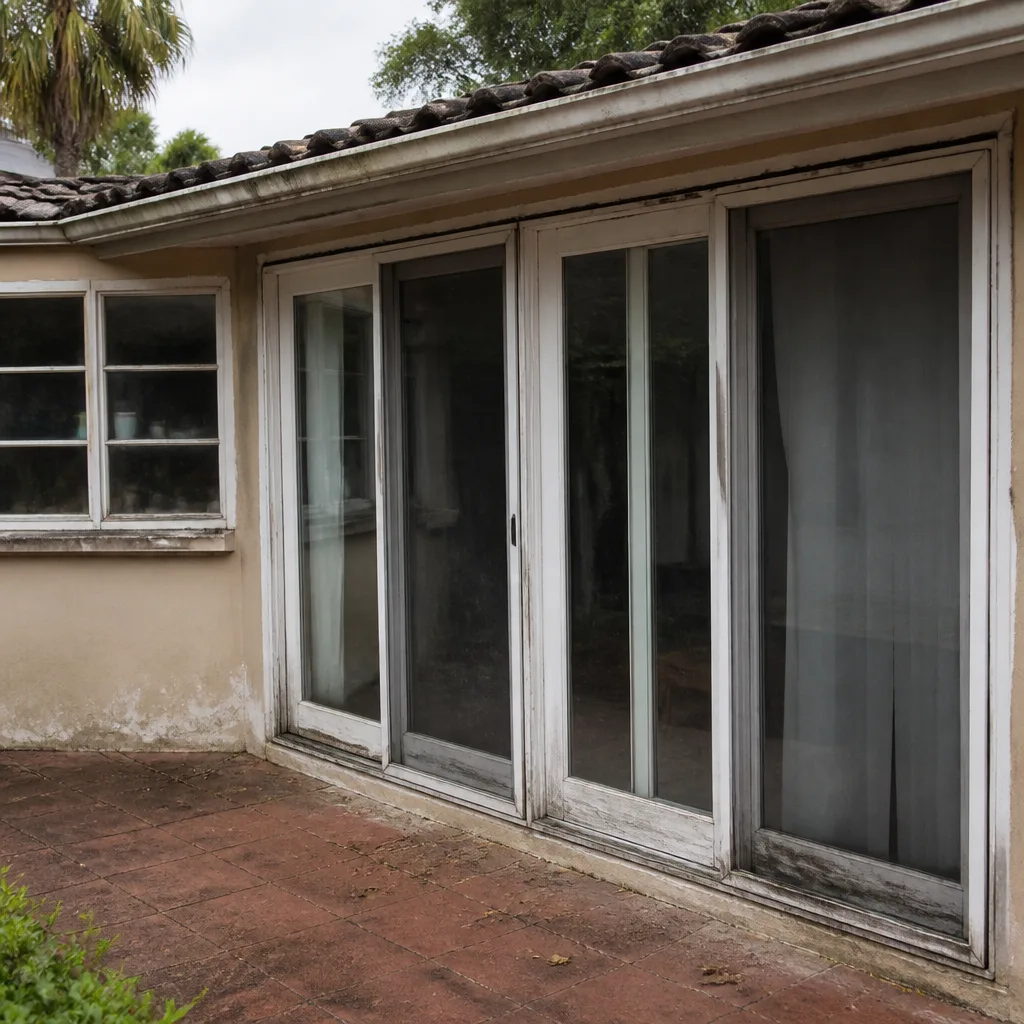 Before
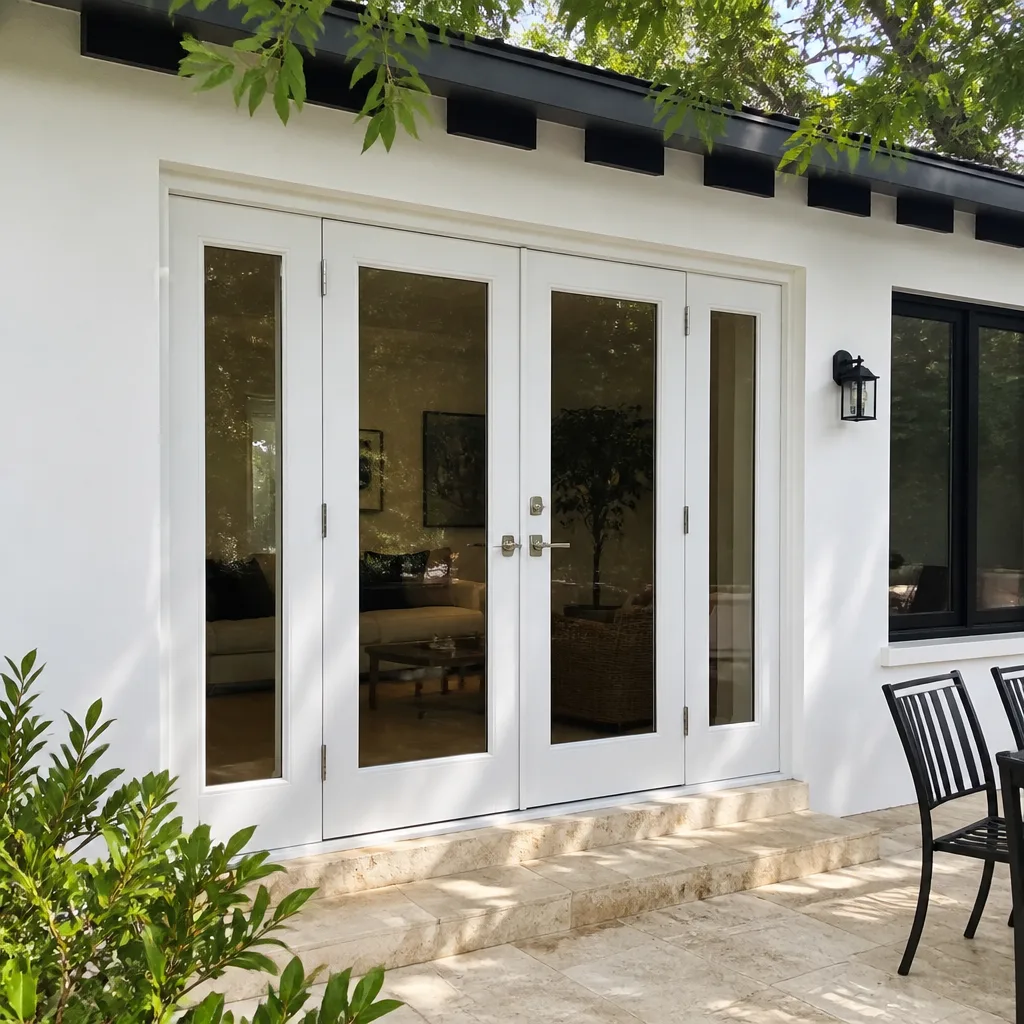 After
AfterWindows & Doors Permits, Codes & Inspections in FL: What You Need to Know
Here’s something most Florida window replacement guides won’t tell you: a window can carry a valid Florida Product Approval number and still be illegal to install in Little Gables. Miami-Dade County operates its own product approval system that’s stricter than the state baseline, and county inspectors will fail the job on the spot if the product doesn’t carry a separate Miami-Dade NOA. This guide and our complete guide to windows & doors in Little Gables walk you through the full permitting, code, and inspection process so you don’t spend thousands on windows that can’t pass inspection.
Quick Answer
Most window and door replacements in Miami-Dade County require a permit, and in Little Gables specifically, the products must hold both a Florida Product Approval and a Miami-Dade Notice of Acceptance (NOA). Expect permit fees between $150 and $600 depending on the opening count, and a final inspection that verifies the installed product matches the approved paperwork exactly. Skipping the permit or installing state-approved-only products is the fastest way to fail an inspection and lose your wind mitigation insurance credit.
Table of Contents
- Florida Building Code vs. Miami-Dade NOA: The Two-Layer System
- Which Permit Thresholds Trigger Structural Inspections in Little Gables
- Pulling Your Own Owner-Builder Permit: Legal Rights and Real Risks
- How Final Inspections Connect to Your Wind Mitigation Insurance Credit
- Code Change Traps: What Was Legal in 2015 That Now Requires an Upgrade
- What the Inspector Actually Checks: A Room-by-Room Walkthrough
- What Permits, Inspections, and Compliance Really Cost in Little Gables
- Common Mistakes to Avoid
- When to Call a Professional
- Frequently Asked Questions
- The Bottom Line
Florida Building Code vs. Miami-Dade NOA: The Two-Layer System
Florida has a statewide building code, but Miami-Dade County is one of two jurisdictions in the state that maintains its own stricter product approval protocol. The state system issues a Florida Product Approval number after a manufacturer submits test data to a state-approved lab. That number tells you the product meets the baseline wind load requirements for its designated wind zone. What it does not tell you is whether the product has passed Miami-Dade’s separate High-Velocity Hurricane Zone (HVHZ) testing.
The Miami-Dade NOA is a county-issued Number of Acceptance. Products go through additional testing cycles, including large-missile impact tests and cyclic wind pressure loading, before Miami-Dade’s Product Control Division issues an NOA. In Little Gables, which sits inside the HVHZ boundary, an inspector will check the installed window against the NOA database during the final inspection. No NOA, no pass. Period.
We’ve seen homeowners in Little Gables buy windows from big-box retailers at a discount, pull a permit, install them, and then watch the inspector red-tag the entire job because the products only carried state approval - a classic case covered in our Windows & Doors Warning Signs: A Little Gables Homeowner’s Reference Guide. The windows themselves weren’t defective. They just weren’t legal for this address. By the time the homeowner called us, they’d spent twice: once on the wrong windows, then again on removal and replacement with compliant units.
Products from PGT, CGI, and Therma-Tru typically carry both state and Miami-Dade approvals, but you have to verify the specific model and size against the current NOA database before you order. Approvals expire and renewal timetables slip. A product that held an NOA three years ago may have lapsed if the manufacturer didn’t renew. For more on window types that work in this climate, see our Impact Windows in Little Gables guide.
Which Permit Thresholds Trigger Structural Inspections in Little Gables
Not every window job triggers the same level of scrutiny. The critical threshold in Miami-Dade is whether the rough opening gets altered in any way. Here’s the breakdown of what actually happens:
- Product swap, same size opening: If you’re replacing a window with a unit of identical dimensions and you’re not touching framing, the permitting path is simpler. You still need a permit in Little Gables, but the inspection focuses on product approval matching, anchoring, and flashing. This is what most homeowners in Little Gables think every window replacement involves.
- Enlarging or relocating an opening: The moment you cut into framing, the job moves into structural territory. The plans require an engineer’s signed drawings, and the county reviews the header design, load path, and tie-down details. This triggers a more rigorous plan check before the permit issues and additional inspections during the work. Expect the timeline to stretch by several weeks compared to a product swap.
- Adding an opening where none existed: This is treated as new construction, even in an existing home. You need full structural engineering, a plan review by Miami-Dade’s Building Department, and likely an inspection of the foundation connection. In Little Gables, older homes on pier foundations can complicate this significantly, since the new opening’s load must be transferred through the existing floor system.
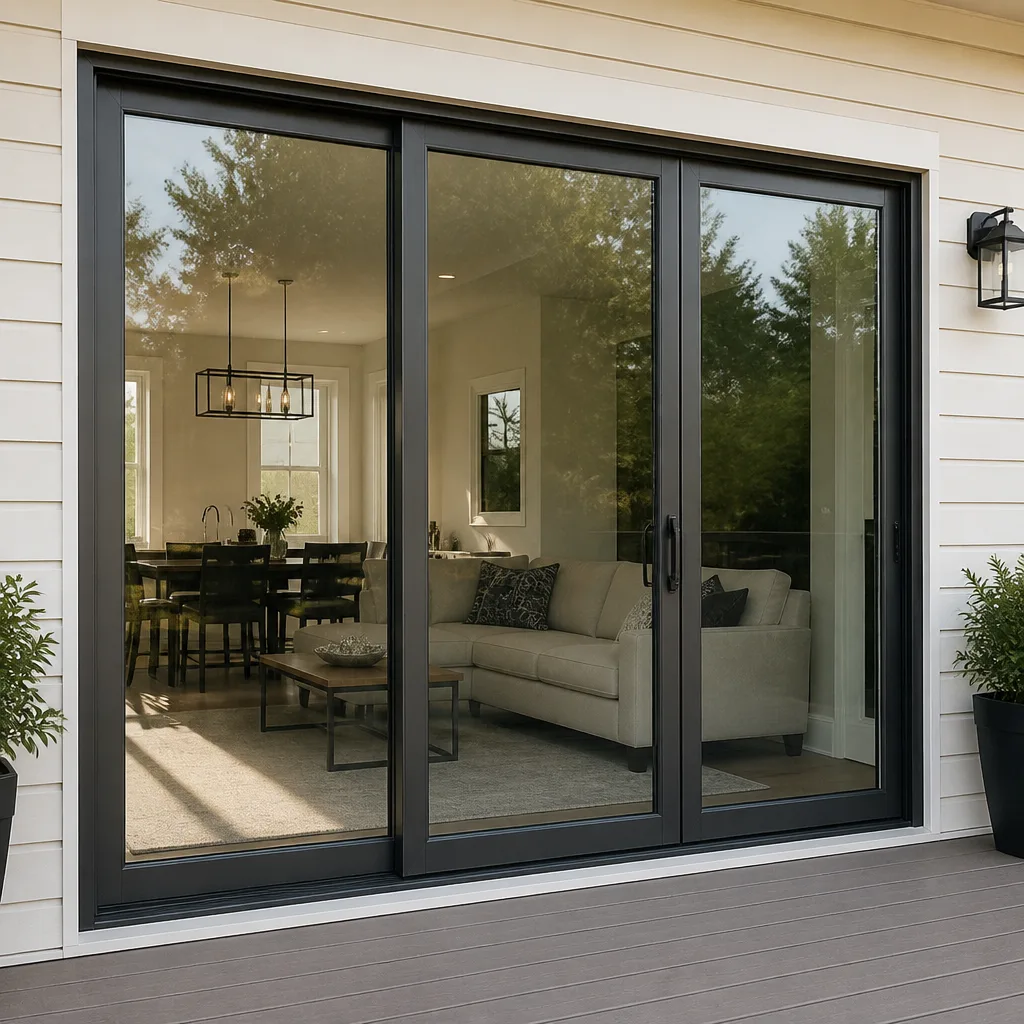
- Sliding glass doors and large openings: Any door or window assembly wider than eight feet typically triggers additional structural review, even in a same-size swap, because Miami-Dade treats the header span as an engineered component. The inspector will want to see the installation follow the manufacturer’s NOA installation details exactly.
For most homeowners, the honest answer is: if you’re not sure which category your project falls into, call a contractor who does window and door work in Little Gables every week. The permit office will not guess for you, and an improperly classified permit application gets rejected, sending you back to the start with the fees already paid.
Pulling Your Own Owner-Builder Permit: Legal Rights and Real Risks
Florida law gives homeowners the right to pull an owner-builder permit for work on their own residence, including window and door replacement. The legal right is clear. The practical risk in Miami-Dade is less discussed.
When you sign as owner-builder in Little Gables, you assume all liability for the work. That includes structural failures, water intrusion, and code violations discovered later. You also lose the protection of the contractor licensing system, which mandates insurance, bonds, and continuing education. If an unlicensed crew installs your windows under your owner-builder permit and the flashing fails during a hurricane, your insurance claim gets complicated fast.
Beyond liability, there’s the inspection reality. Miami-Dade inspectors hold owner-builder permit holders to the same code standard as licensed contractors, but they often take a closer look at the paperwork. We’ve watched inspectors ask owner-builders for product approval printouts, installation detail sheets, and engineering letters that a contractor would already have on site. Homeowners who don’t have those documents in hand get a failed inspection and a re-inspection fee.
If you do pull your own permit, here’s what to expect:
- You’ll need to submit a permit application with product approval numbers and NOA documentation for every unit.
- You’re responsible for scheduling inspections and being on site when the inspector arrives.
- Any failed inspection requires a new inspection request and another fee.
- You are the named responsible party on the permit, and that follows the property for future sale disclosures.
For more detail on how professional installation differs from a self-managed project, see our Window Installation in Little Gables page.
How Final Inspections Connect to Your Wind Mitigation Insurance Credit
Your wind mitigation credit is not automatic. Insurance companies in Florida offer premium discounts based on a wind mitigation inspection that documents specific features: impact-rated openings, shutters, roof-to-wall connections, roof deck attachment, and roof coverings. A window or door replacement only earns the credit if the final building inspection verifies the installed product and its anchoring method.
Here’s the part most homeowners miss: the building department’s final inspection and the insurance wind mitigation inspection are separate events. The building final inspection confirms code compliance. The wind mitigation inspection, performed by a licensed inspector for your insurance company, confirms the credits. If your window installation passed the building inspection but the installer used the wrong anchoring method or didn’t follow the NOA’s installation details, the wind mitigation inspector can flag it. Now your discount is denied or reduced, and you’re paying for an engineer to verify what should have been documented at installation.
In Little Gables, we’ve helped homeowners sort out denied wind mitigation credits because the previous installer skipped a required corner anchor or used a sealant that didn’t match the NOA spec. The window itself was fine. The paperwork and the fasteners were the problem. Correcting that after final inspection means reopening the wall, re-anchoring, and paying for a re-inspection. The insurance savings from a properly documented impact window installation in Miami-Dade can be substantial, often several hundred dollars per year. The cost of a failed re-inspection erases years of those savings.
When you’re gathering quotes for window replacement in Little Gables, ask each contractor two questions: “Do you pull the permit and handle all inspections?” and “Do you provide documentation for the insurance wind mitigation inspector?” If the answer to either is vague, move on. For what full replacement involves, see Window Replacement in Little Gables.
Code Change Traps: What Was Legal in 2015 That Now Requires an Upgrade
Building codes don’t stand still, and Miami-Dade’s HVHZ requirements have tightened repeatedly since Hurricane Andrew. A window installation that passed final inspection in 2015 might not be replicable today once you disturb the opening. Here are the code change traps we see most often in Little Gables:
- Impact glazing requirements for all openings. Ten years ago, some replacement scenarios allowed non-impact glazing if the home had shutters. Current Miami-Dade code requires impact-rated glazing or approved opening protection for every window and door in the HVHZ. If you’re replacing old non-impact windows, you cannot install non-impact replacements even if the opening is the same size.
- Anchoring fastener schedules. Older installations often used fewer anchors spaced further apart. Current NOA installation details typically mandate tighter anchor spacing and specific fastener types. The inspector checks the anchor pattern against the NOA drawing, not against what was previously installed.
- Sill flashing and water management. What passed as acceptable caulking ten years ago now often requires a manufactured sill flashing system or specific sealant joints. Miami-Dade’s water intrusion standards are strict, and inspectors in Little Gables check the flashing during rough inspection.
- Structural header standards for large openings. If you’re enlarging an opening now, the header must meet current engineering calculations, not the 2015 standard. Older homes may need a larger header than the existing construction suggests.
- Egress window requirements in bedrooms. Current code mandates specific minimum opening sizes for bedroom windows used as emergency escape routes. A window that met egress in 2015 may fall short today, particularly in older Little Gables homes with smaller original fenestration.
The pattern is consistent: when you disturb the opening, you bring the entire assembly up to current code. Understand this before you sign a contract so you’re not surprised by a change order after demolition begins.
What the Inspector Actually Checks: A Room-by-Room Walkthrough
Understanding what a Miami-Dade window and door inspector looks at during the final inspection helps you prepare and spot shortcuts before they become failed inspections. Here’s the sequence, based on what we’ve watched inspectors check on jobs across Little Gables:
- Permit posting. The inspector verifies the permit card is posted at the front of the property before walking inside. Missing permit card equals a failed inspection, no exceptions.
- Product approval verification. The inspector matches each installed window and door to the product approval paperwork and the Miami-Dade NOA. The labeling on the frame, usually etched into the corner of the glass or on the frame spacer, is cross-checked against the documents. Brand names like PGT, CGI, or ViewLux don’t matter if the specific model number isn’t on the approved list.
- Anchoring and fastening. The inspector cannot see most anchors after the window is installed, which is why the job must be inspected before the trim goes on. This is called a rough inspection, and it verifies the anchor spacing, fastener types, and shimming against the NOA details.
- Flashing and water management. The inspector checks that the sill flashing and jamb flashing are installed per the manufacturer’s details and Miami-Dade’s water intrusion standards. Improper flashing is one of the most common failure points we see in Little Gables, especially on stucco homes where the paper-to-pan transition gets sloppy.
- Egress compliance. In bedrooms, the inspector measures the clear opening size when the window is fully open. If it doesn’t meet emergency escape dimensions, the inspection fails until the window is corrected.
- Impact glazing verification. For impact-rated windows, the inspector checks that the installed units are the same product series listed on the NOA. Mixing an impact-rated window on one side of the house with a non-impact unit on the other will fail if the permit application listed all openings as impact-rated.
- Sealant and finish. The final check verifies sealant application around the perimeter and that no obvious gaps exist between the frame and the rough opening. This is the last item before the inspector signs off.
What Permits, Inspections, and Compliance Really Cost in Little Gables
Permit fees in Miami-Dade for window and door replacement range from about $150 for a simple product swap on a small project to $600 or more for larger multi-opening jobs. Plan review fees are additional if engineering drawings are required. Here’s a realistic breakdown for a typical Little Gables single-family home replacing, say, eight to ten windows and one entry door:
- Building permit fee: $200 to $450, depending on the project valuation entered by the contractor.
- Plan review fee (if structural changes apply): $100 to $300 additional.
- Engineering drawings (if openings change): $400 to $1,200, depending on the complexity and the home’s foundation type.
- Re-inspection fee (if any inspection fails): $50 to $150 per occurrence.
- Wind mitigation inspection (for insurance credit): $75 to $150, often paid to a third-party inspector.
- Product and installation cost: This varies widely based on brand and complexity. Products like Mr-Glass, and Therma-Tru all fall at different price points, and installation labor in Miami-Dade runs higher than most of Florida due to the HVHZ detailing requirements.
Timeline plays into cost too. A simple product swap with no structural changes can get from permit application to final inspection in two to four weeks when the contractor has the paperwork ready. Structural changes or new openings can stretch to eight to twelve weeks, largely driven by plan review queues at the county. Rushed timelines create mistakes. We recommend booking your window project with enough lead time for the permit department to do its work without pressure.
If you’d like a line-by-line price for your specific home, call Winslow Windows & Doors home office at (727) 291-4678 for a free estimate. No change orders, no vague allowances.
Common Mistakes to Avoid
- Buying state-approved but not Miami-Dade-approved windows. This is the costliest error we see in Little Gables. The products arrive, the permit gets pulled, and the inspector rejects everything. Verify the NOA before you buy any window or door for a Miami-Dade address.
- Skipping the permit because “it’s just a swap.” Same-size replacements still require a permit in Little Gables. Unpermitted work gets flagged during home sales, insurance renewals, and wind mitigation inspections. The savings don’t survive the first title search.
- Using a subcontractor who won’t put their name on the permit. Anyone who asks you to pull the permit so their crew can “just do the labor” is shifting liability onto you. Licensed contractors pull the permit under their own license and insurance.
- Installing before the rough inspection. Once trim covers the anchors, the inspector can’t verify the fastening. You’ll be asked to remove trim or the inspection fails outright. The sequence matters: rough inspection first, then trim and finish.
- Choosing windows for wind rating only, ignoring water intrusion. Miami-Dade’s HVHZ code cares as much about water penetration as wind pressure. A product with a high design pressure doesn’t matter if the flashing fails the water test. The installation is half the compliance equation.
- Assuming one brand covers all openings. Even premium brands have models that aren’t NOA-approved for certain sizes or applications. PGT and CGI are excellent, but not every product in their catalog carries current Miami-Dade approval. Check each unit.
- Letting the permit expire. Miami-Dade permits expire if work doesn’t begin within 180 days or if the project stalls for more than six months. Letting a permit lapse means restarting the application and paying the fees again.
When to Call a Professional
Some situations justify handling the permit process yourself, but these are not them: any project involving structural changes to rough openings, any home with old stucco over wood framing where water intrusion risk is high, any replacement where insurance wind mitigation credits are a priority, any project with multiple window types, and any repair where you can see signs of existing water damage around the window or door frame. These scenarios call for a contractor who has navigated Miami-Dade’s permit desk and inspection queues enough times to know where the delays happen and what the inspectors will red-flag. Winslow Windows & Doors offers free estimates in Little Gables - call (727) 291-4678. Ed Winslow answers the phone, and he’s been doing this in South Florida since 2011.
Frequently Asked Questions
Yes, all window and door replacements in Little Gables require a permit from Miami-Dade County, even same-size product swaps. The permit verifies that the installed products meet HVHZ requirements and that the installation follows the approved NOA details. Call (727) 291-4678 if you want us to handle the permitting for you.
Florida Product Approval is a statewide certification, while a Miami-Dade NOA is a separate county-level approval that requires additional impact and pressure testing for the High-Velocity Hurricane Zone. In Little Gables, your windows must hold both. We verify both documents before we order any product.
Yes, Florida law allows owner-builder permits for window replacement on your own residence, but you assume all liability and lose contractor insurance protections. Miami-Dade inspectors often scrutinize owner-builder paperwork more closely, and any failed inspection requires a new fee.
Window replacement permits in Little Gables typically cost between $200 and $450 for a standard product swap, with additional fees for plan review, engineering, and re-inspections if needed. Your total project cost depends on the number of openings and whether structural changes apply.
No, your insurance company will not automatically apply wind mitigation credits when you install impact windows. You need a separate wind mitigation inspection that documents the installation against the building permit’s final inspection. We provide the documentation package that makes that inspection go smoothly.
Simple product swaps typically take two to four weeks from permit application to final inspection. Structural changes or new openings can take eight to twelve weeks due to plan review. We handle scheduling and inspections so you’re not waiting by the phone.
The Bottom Line
Window and door work in Little Gables sits at the intersection of two code systems, and the stricter one always wins. You need a permit for every replacement, a Miami-Dade NOA for every product, and a final inspection that verifies the installation matches the approved paperwork exactly. The insurance wind mitigation credit hangs on that inspection, and the difference between a passing job and a failed one is often in the details: anchor spacing, flashing sequence, and product model numbers. When the paperwork and the installation are done right, the process is straightforward. When they’re not, it’s expensive. Get a free estimate from someone who does this work in Little Gables every week, and check our more guides & resources, or call (727) 291-4678. Ed’s name is on the door - and on every job we do.
Written by Ed Winslow, Owner at Winslow Windows & Doors, serving Little Gables since 2011.
Six Reasons Homeowners Choose Winslow Windows & Doors
Impact systems engineered to design pressures up to +/-100, matched to your wind zone - your openings hold when the storm arrives.
Low-E insulated impact glass from our manufacturer lines commonly cuts monthly cooling bills 20-30%.
Laminated impact glass shuts out up to 40% of outside noise - traffic, neighbors, weather.
Monitoring services run $30-90 a month. Laminated impact glass resists forced entry around the clock, with no subscription.
Florida homeowners average around 25% savings on the windstorm portion of their policy after protecting every opening - some homes qualify for more.
A full impact package upgrades curb appeal, buyer confidence and appraised value in one project.