
Last updated August 27, 2026
Free in-home measure and quote - PGT, CGI and CWS impact lines compared on your actual openings, style by style
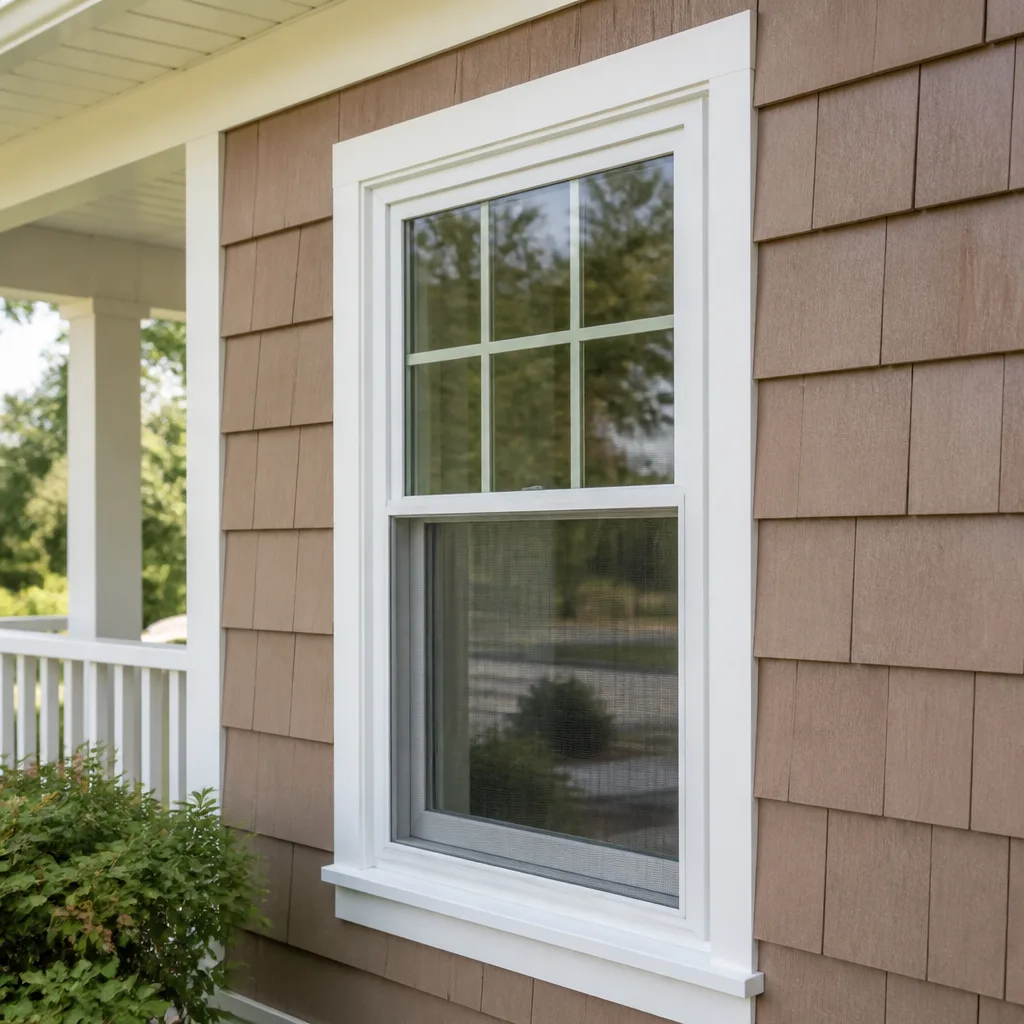
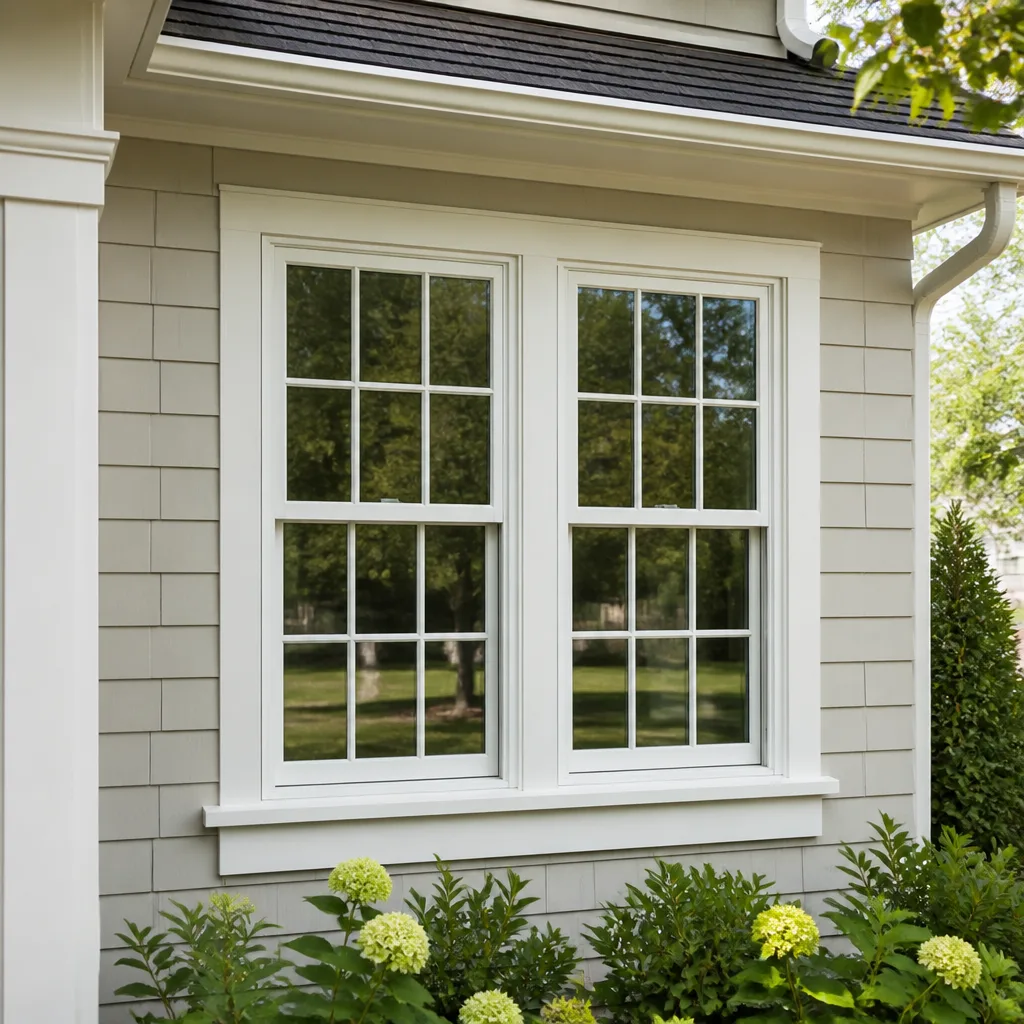
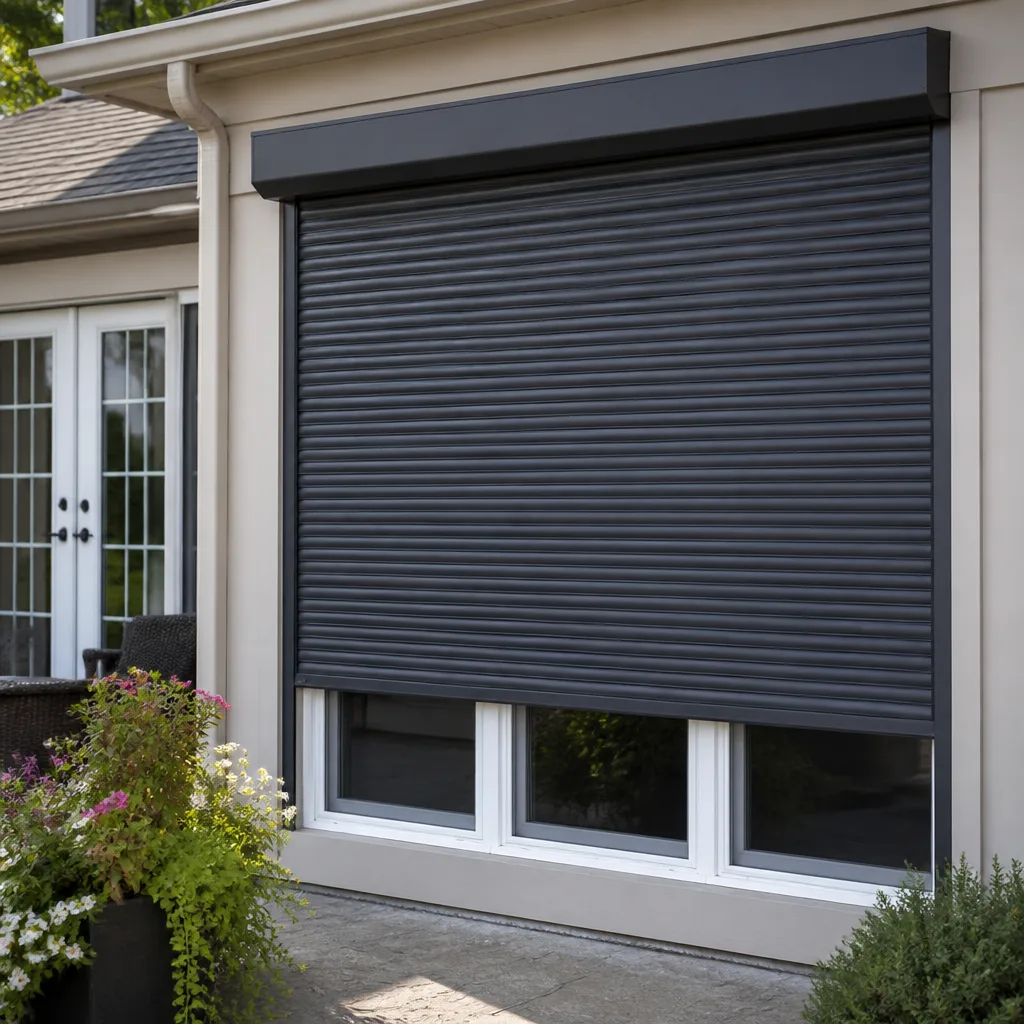
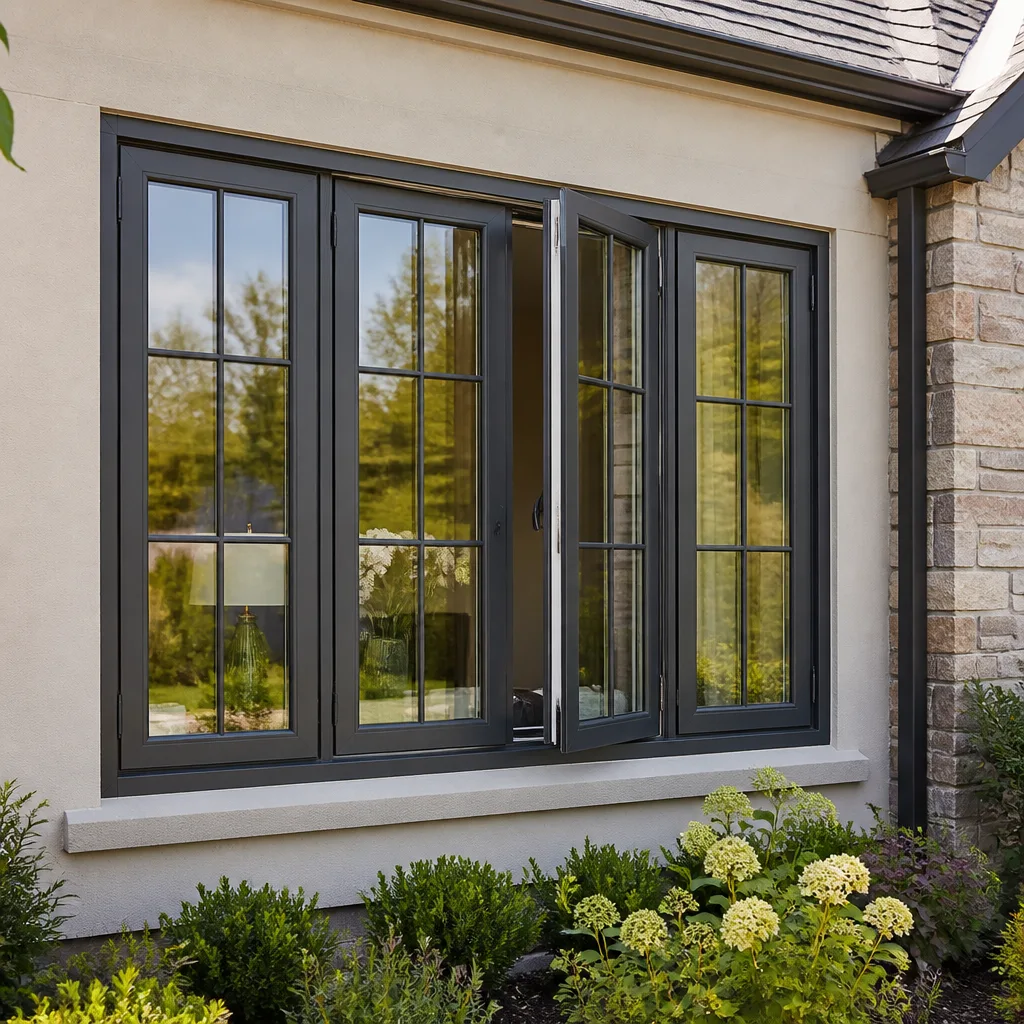
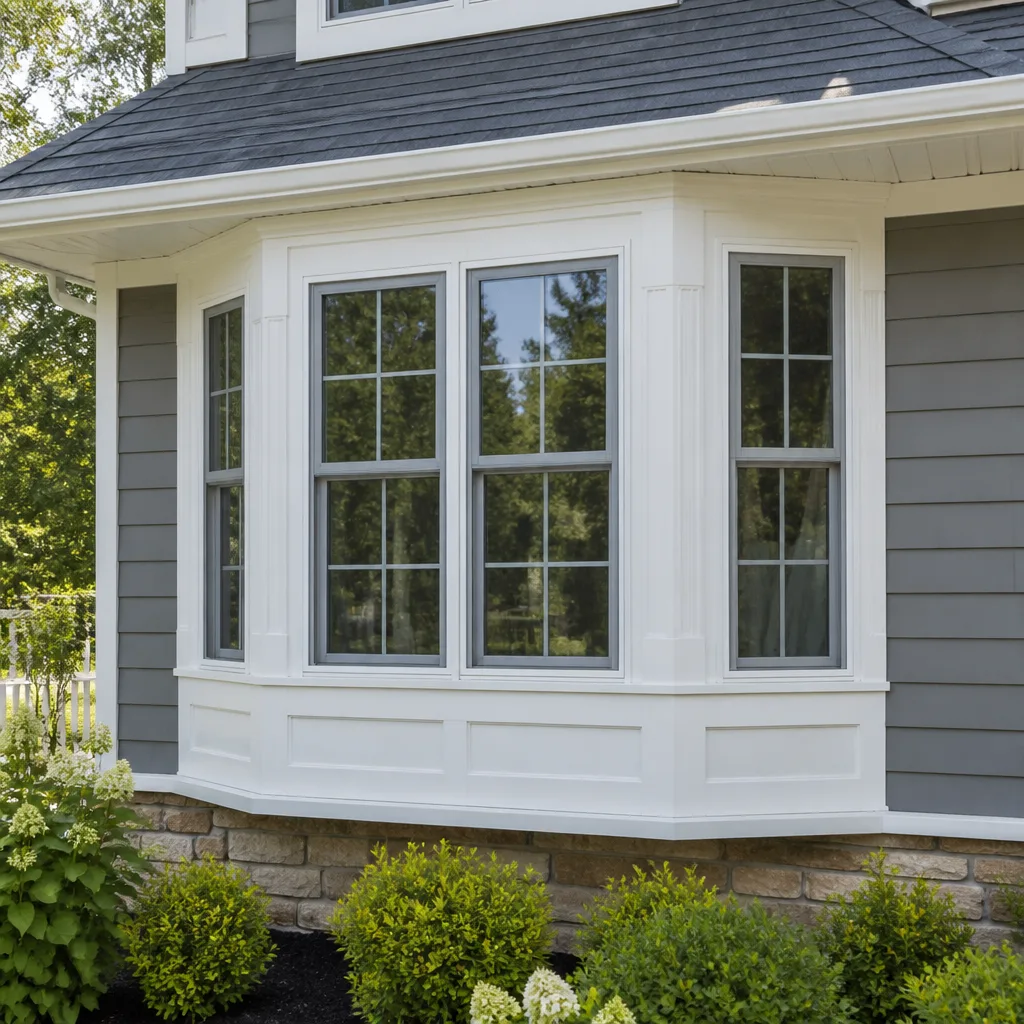
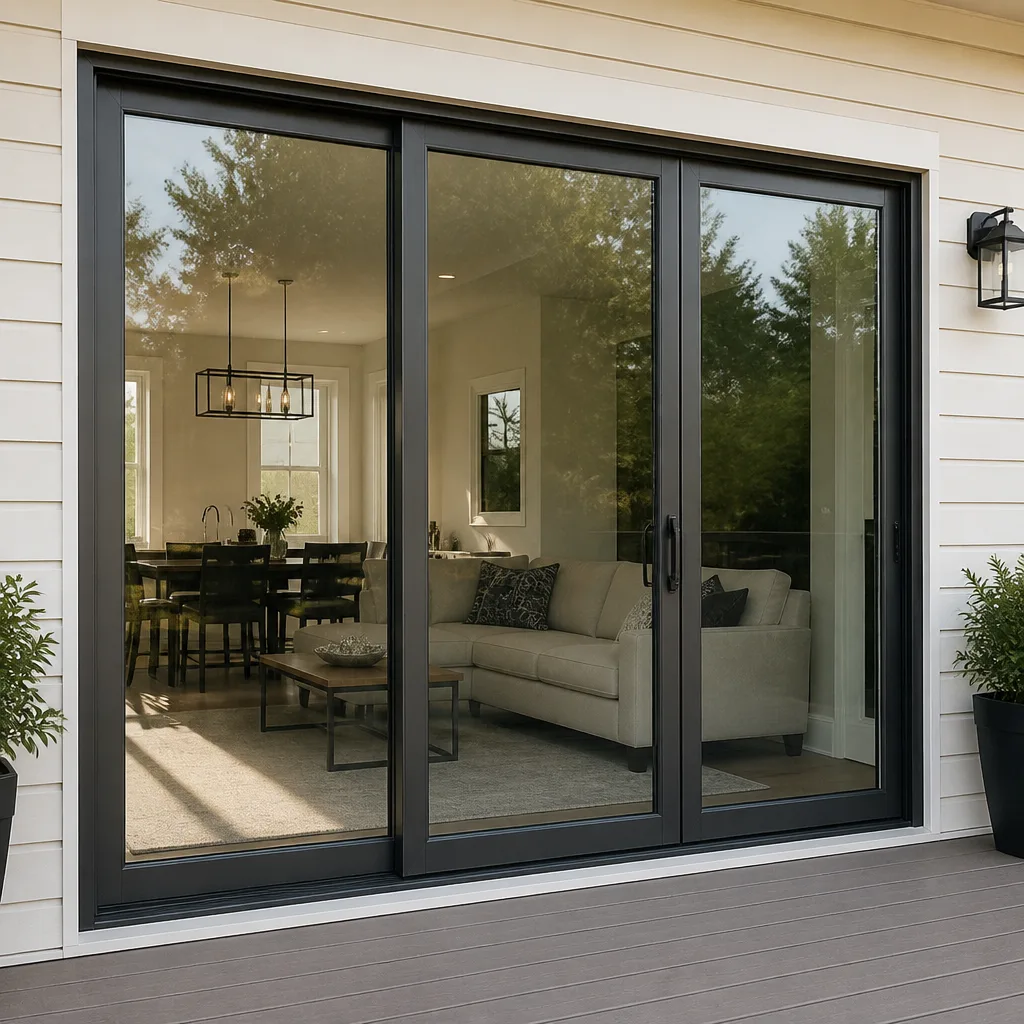
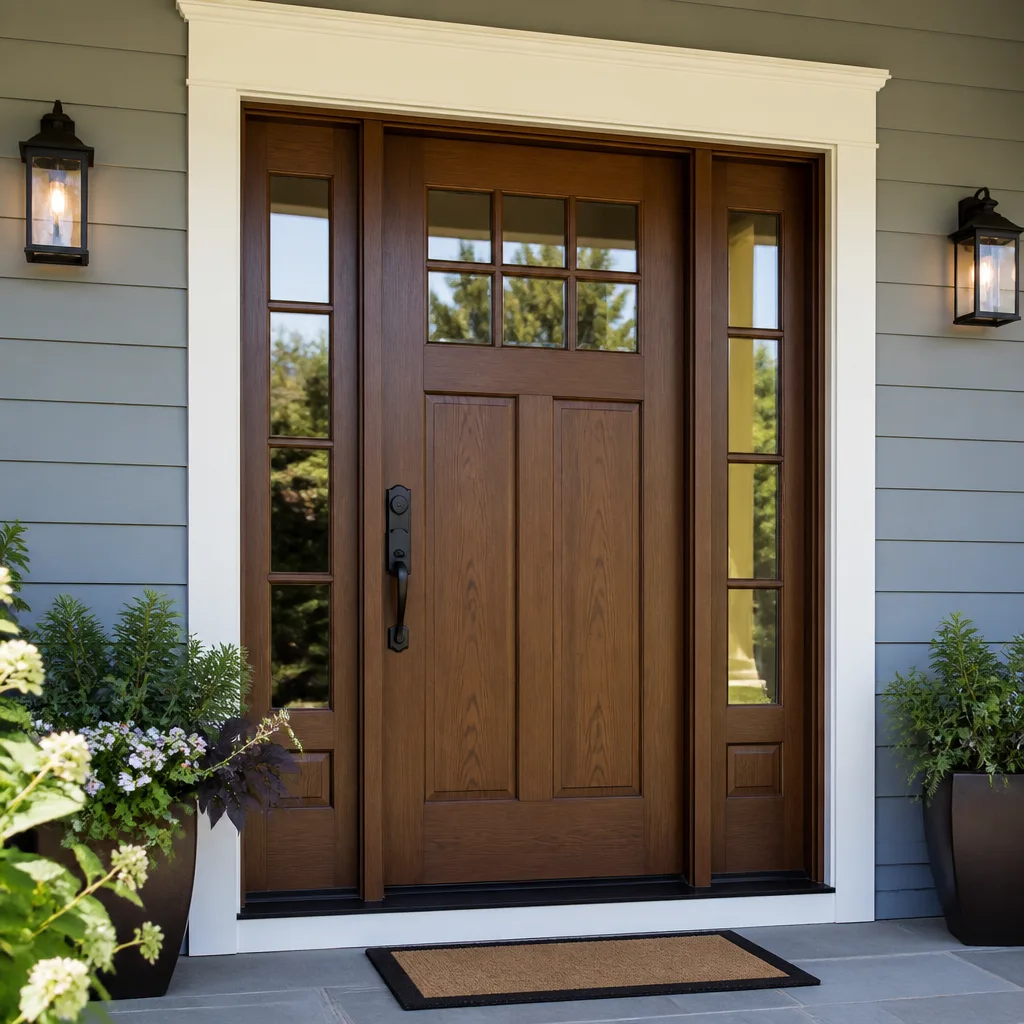
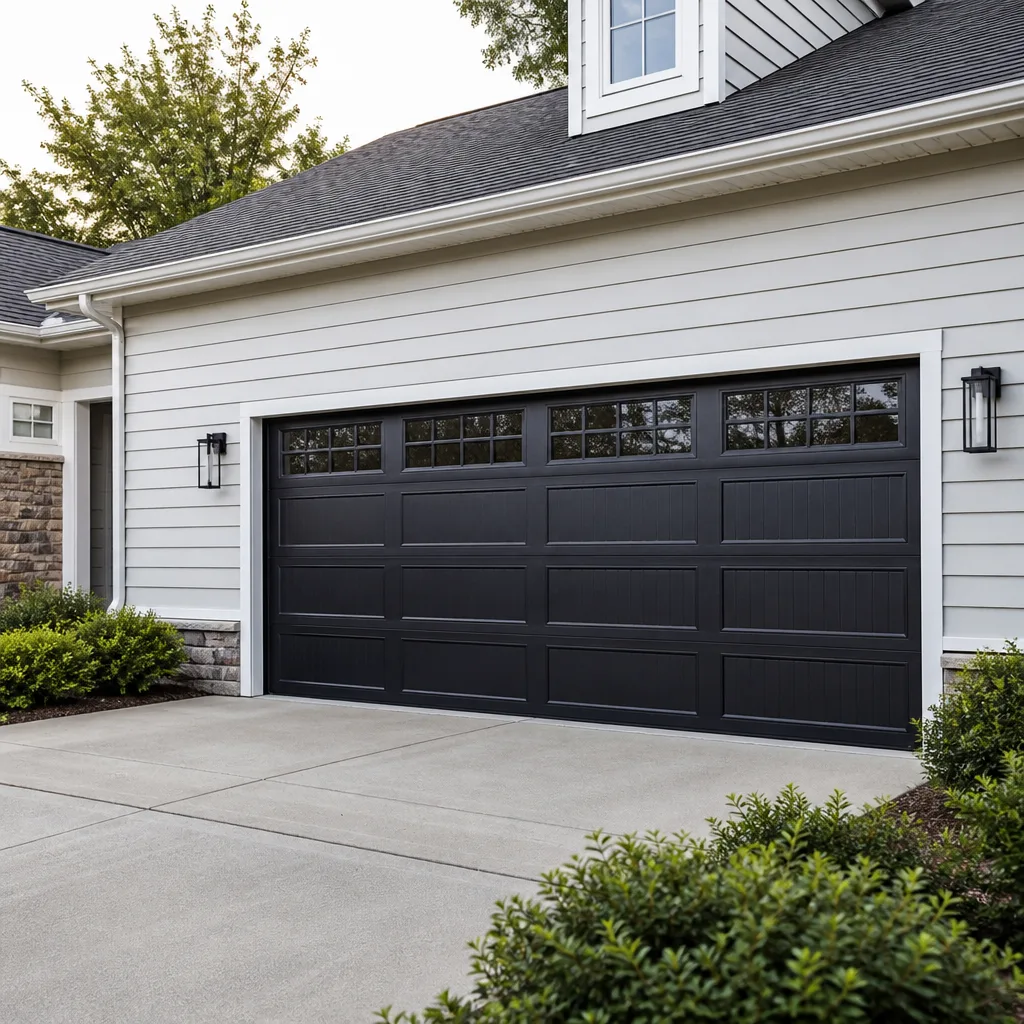
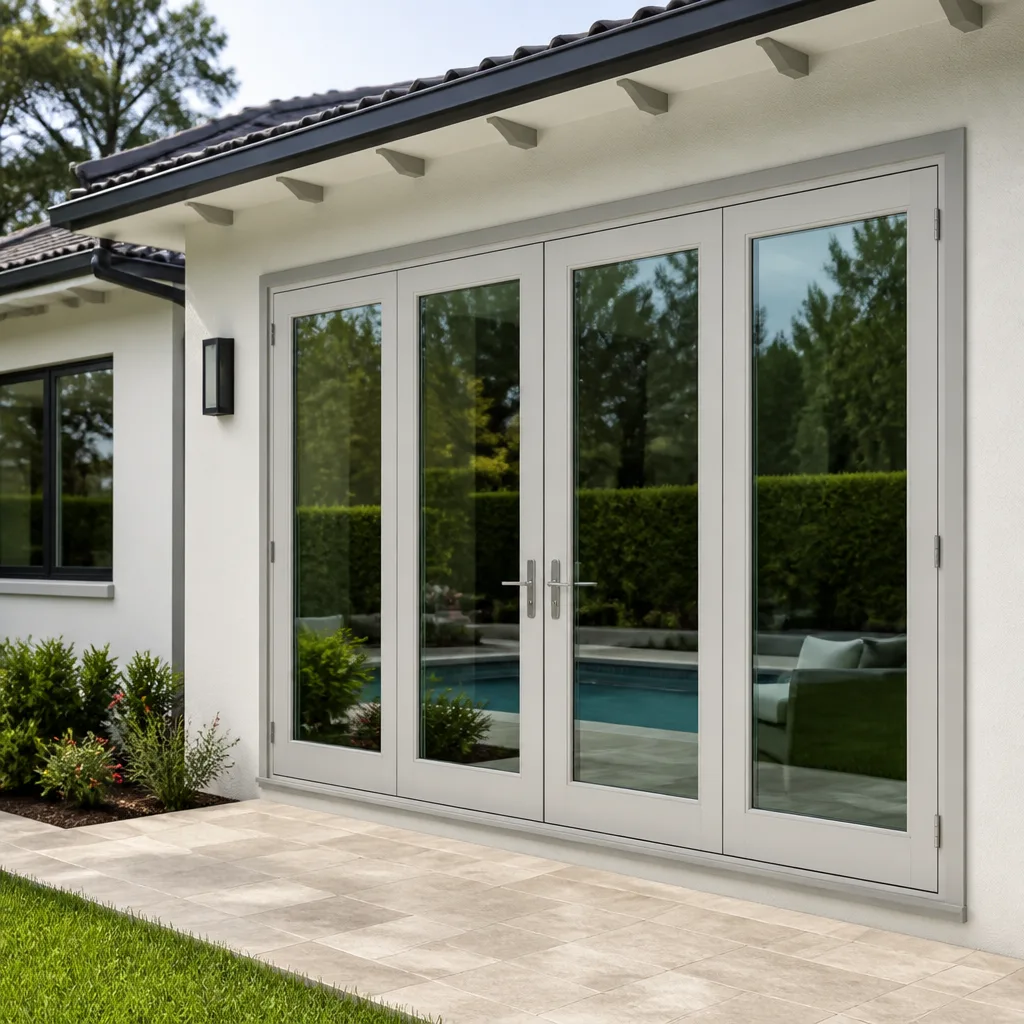
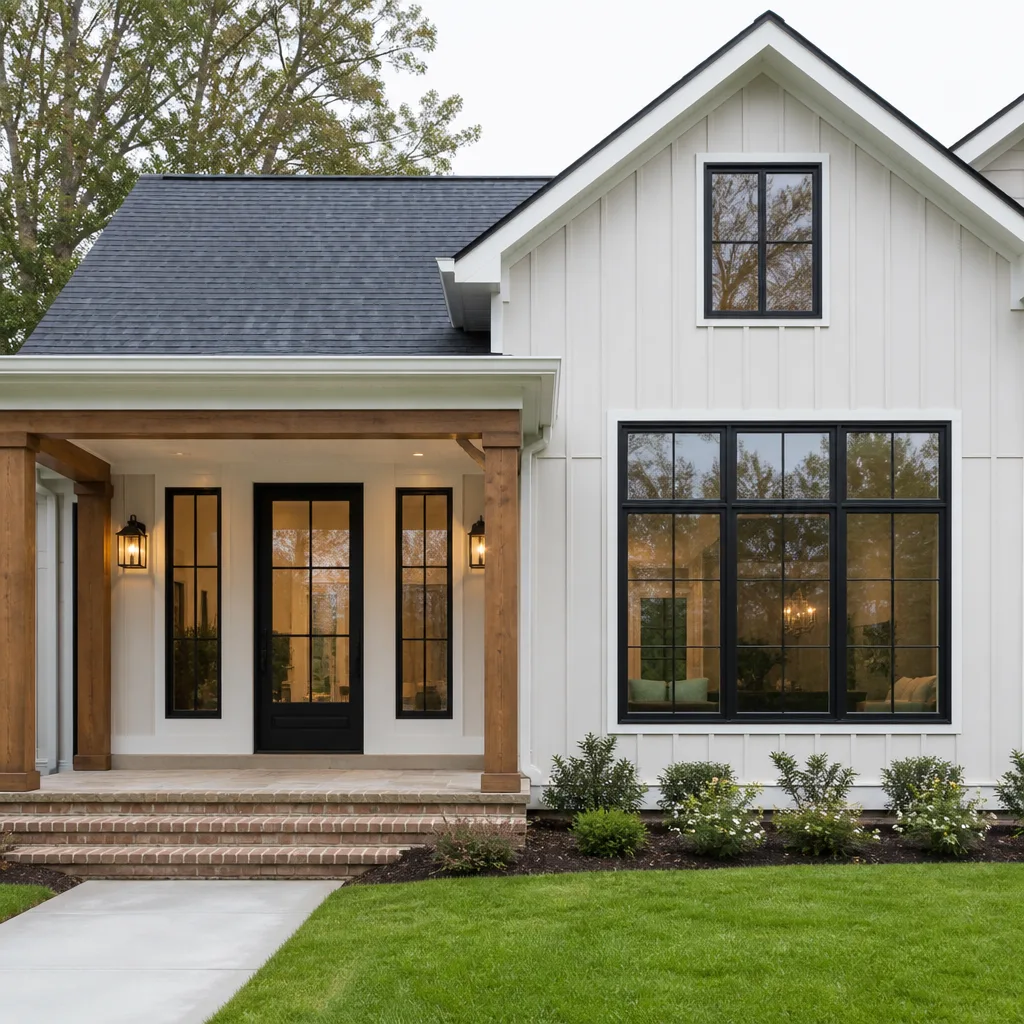
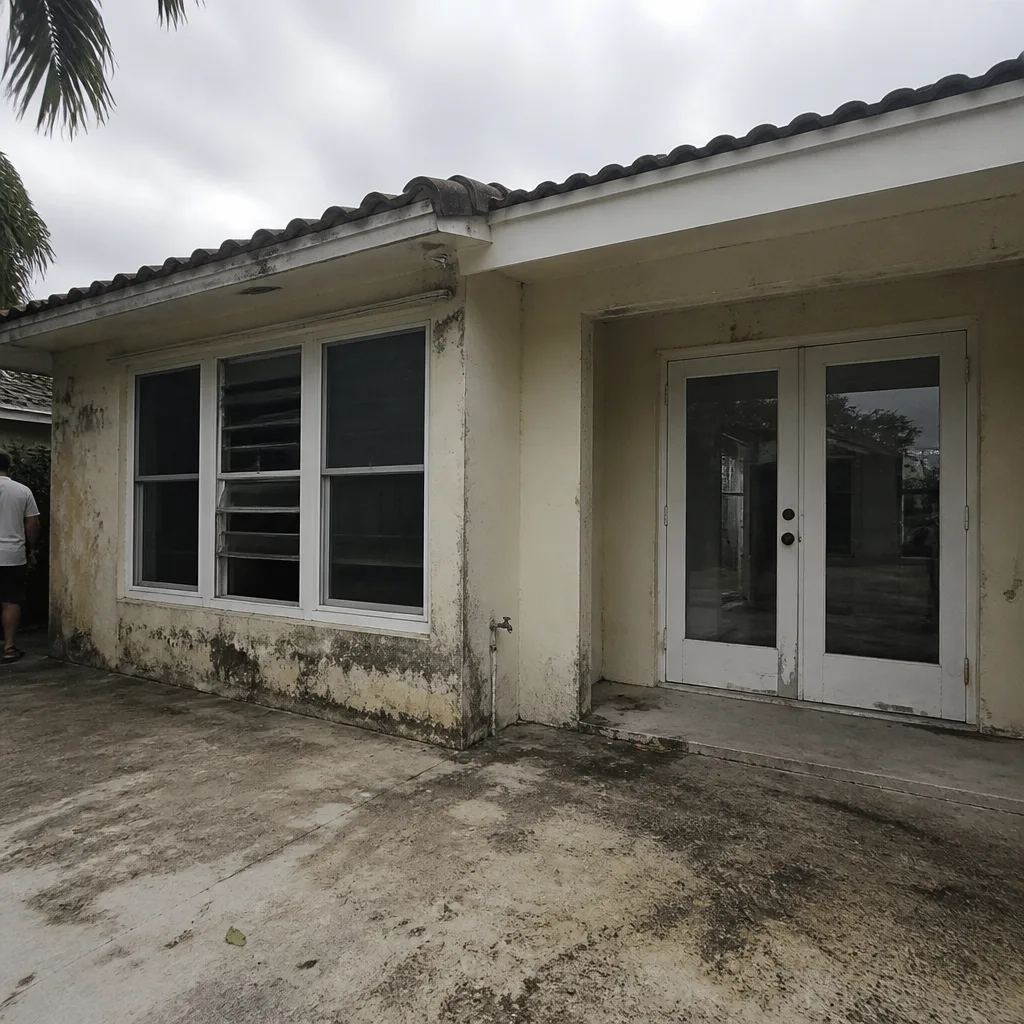 Before
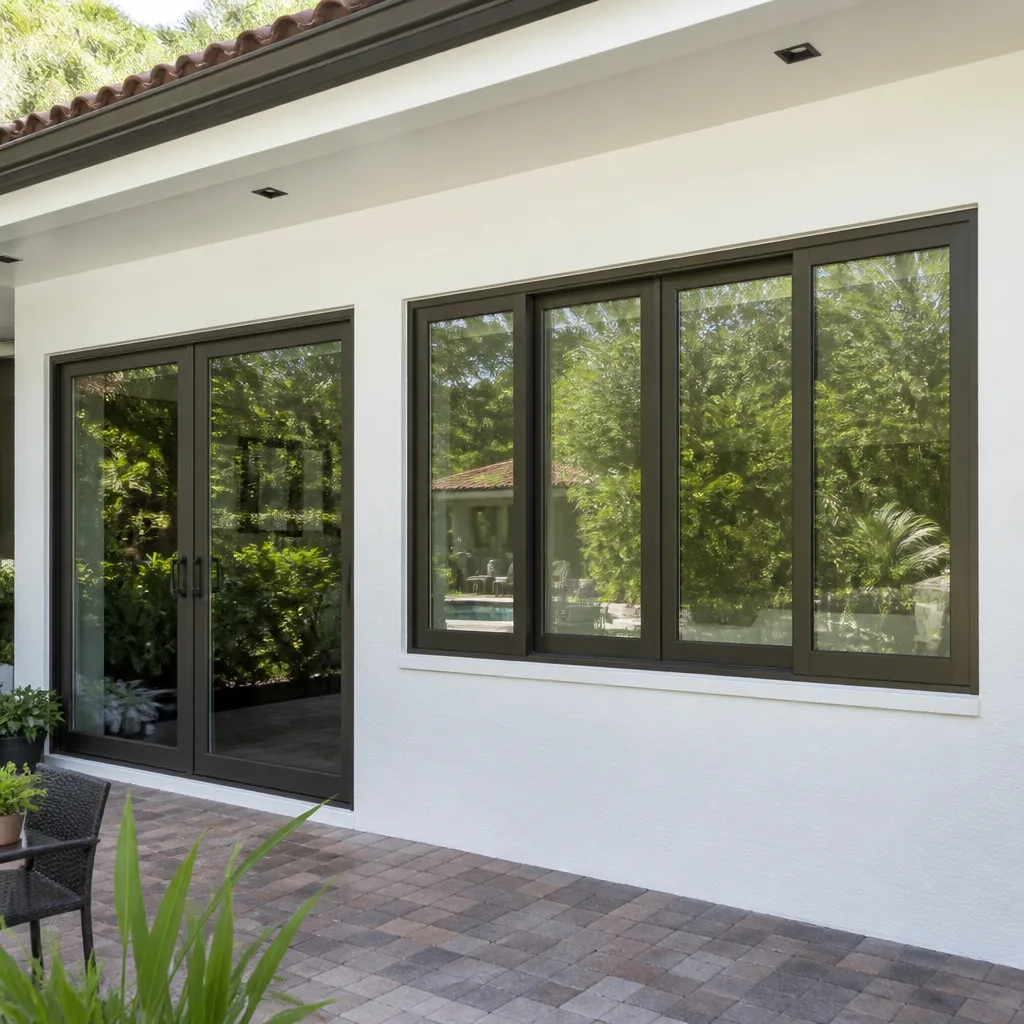 After
After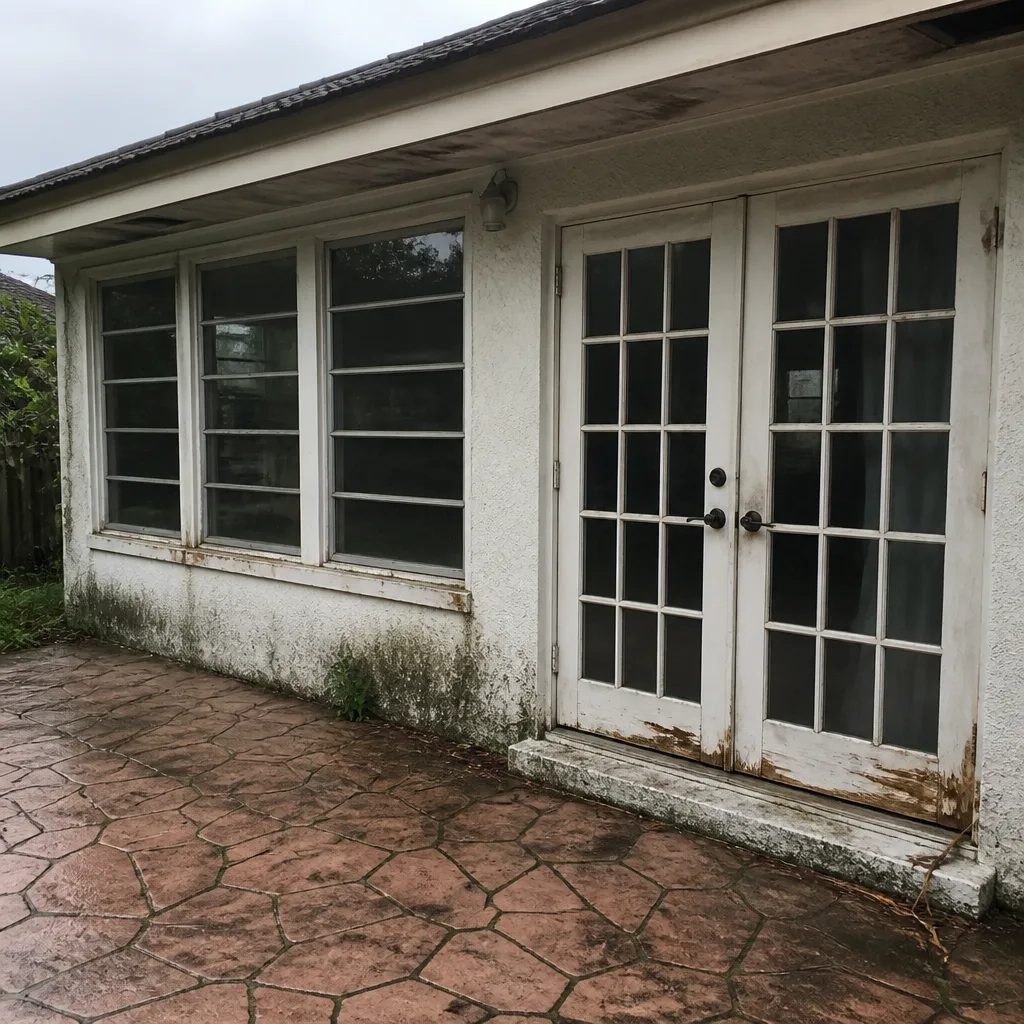 Before
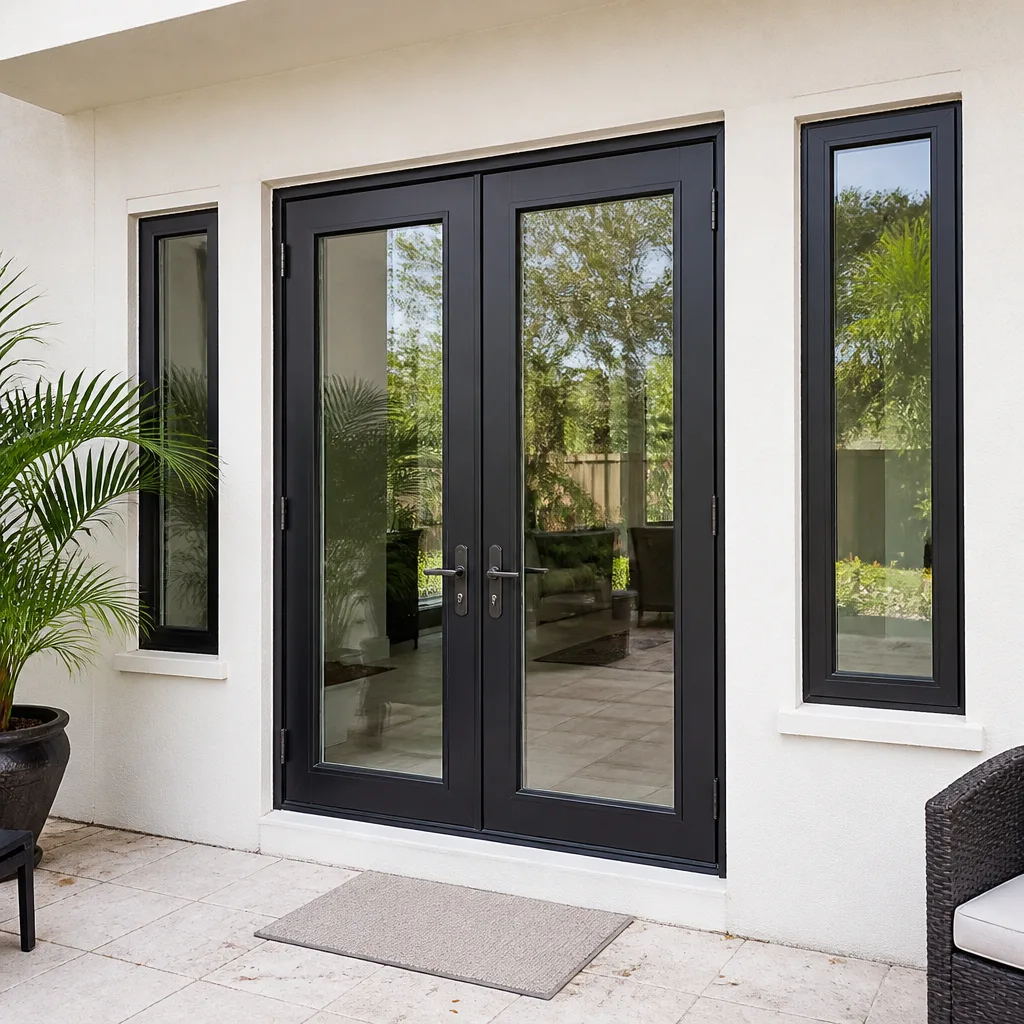 After
After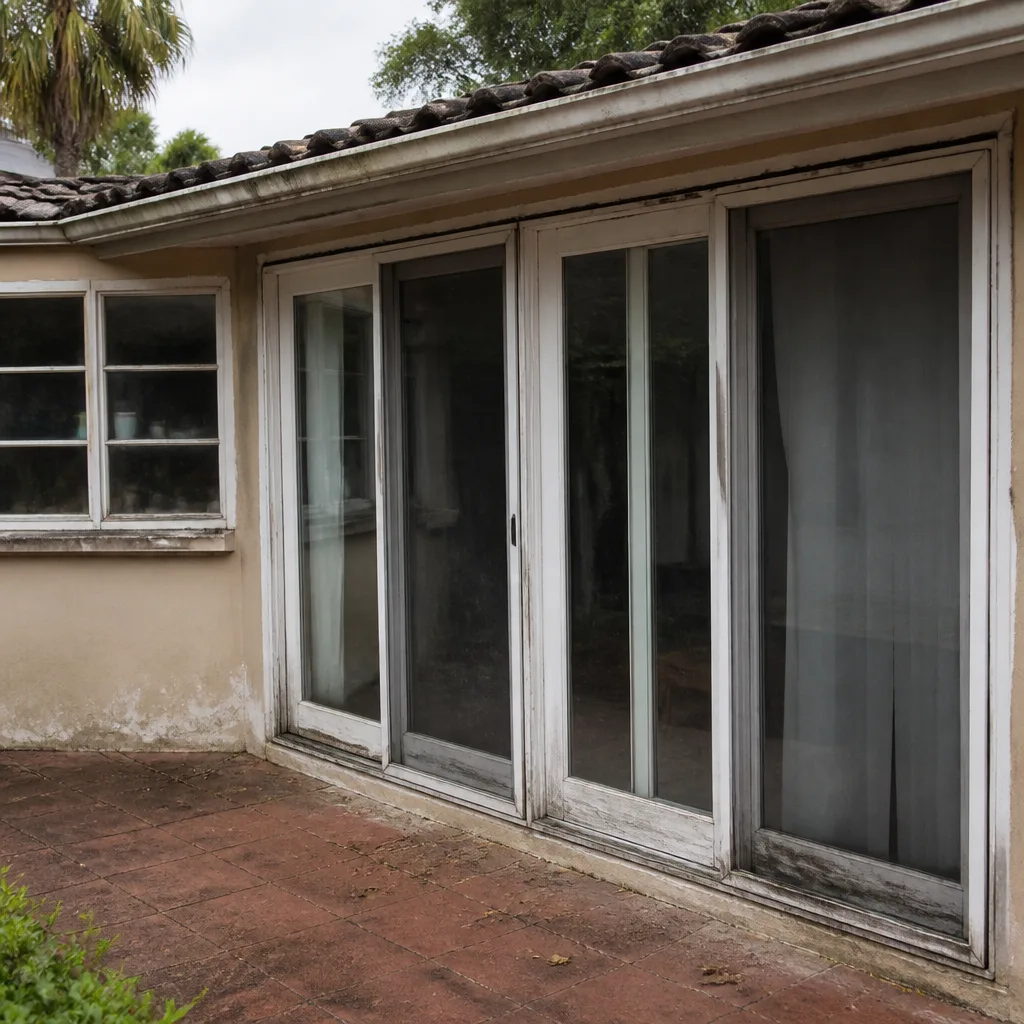 Before
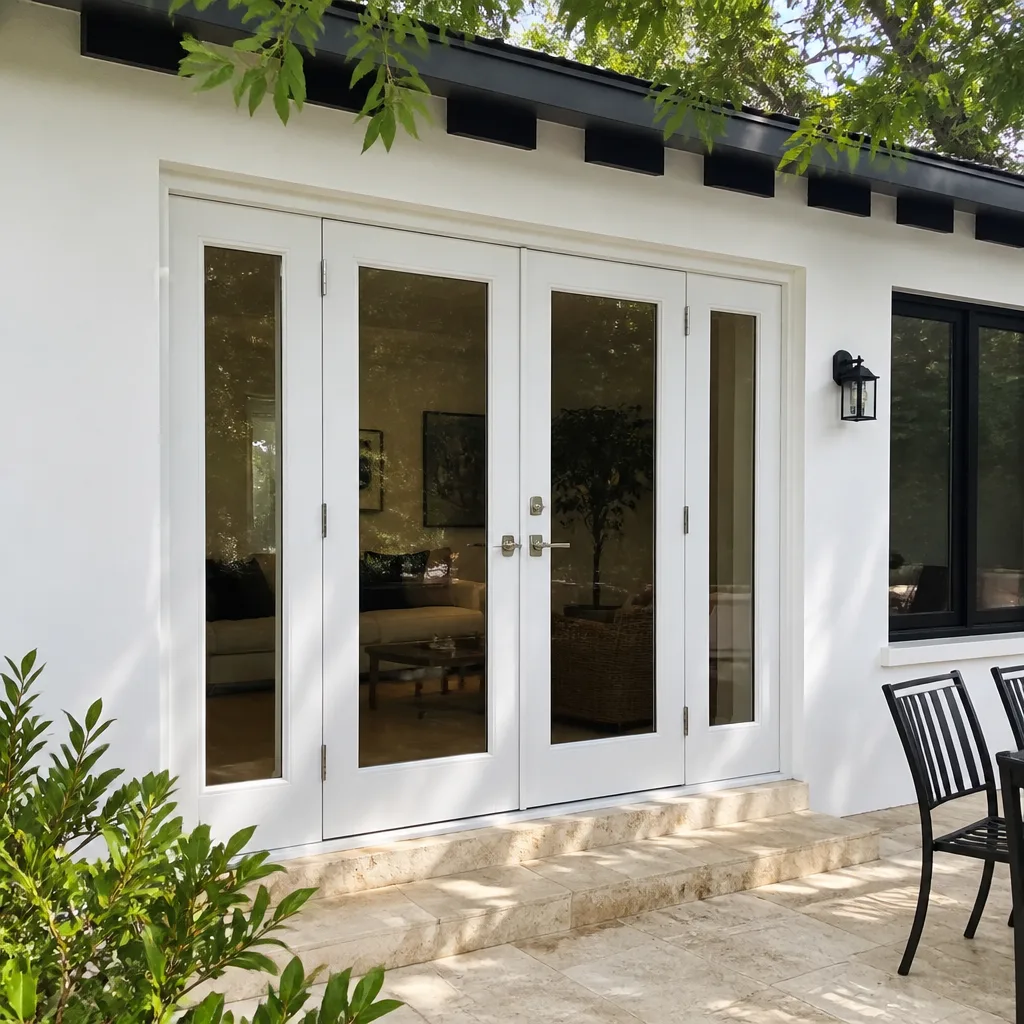 After
AfterWindows & Doors Cost Breakdown: The Little Gables Homeowner’s Reference for 2026
The $300-per-window figure you’ll find on national cost estimator sites is technically accurate - for a non-impact double-hung in an inland market. In Little Gables, that number is the cost of the permit application, before a single window is touched. This Complete Guide to Windows & Doors in Little Gables replaces generic national averages with 2026 Little Gables-specific numbers: the Miami-Dade compliance premium, the coastal labor market reality, and the impact-rated product floor that makes entry-level pricing irrelevant here. You’ll see the line items most quotes hide, the insurance math that changes the real cost equation, and the break-even timeline most salespeople won’t show you.
Quick Answer
A code-compliant, impact-rated window replacement in Little Gables runs $1,850-$3,400 per window installed in 2026, with full-home window and door replacement projects typically landing between $18,000 and $52,000 depending on home size, product grade, and structural work required. Entry-level non-impact windows are not a legal option here under Miami-Dade building code; the realistic 2026 floor for a single permitted impact window installation is around $1,400-$1,600 including product, labor, permit, and disposal. Door replacement runs $2,200-$7,800 per opening depending on configuration and impact rating.
Table of Contents
- The Real 2026 Cost Floor in Little Gables
- Why Miami-Dade Labor Runs 18-25% Above State Average
- The Insurance Premium Reduction Math for Little Gables Zip Codes
- Hidden Costs Legitimate Quotes Include and Low-Ball Quotes Omit
- Evaluating Financing Offers Against the Insurance Savings Timeline
- Product Tier Breakdown: What You’re Actually Paying For
- The Permit and Inspection Process in Little Gables: A Step-by-Step
- Common Mistakes to Avoid
- When to Call a Professional
- Frequently Asked Questions
- The Bottom Line
The Real 2026 Cost Floor in Little Gables
Little Gables sits inside Miami-Dade County, which means every window and exterior door installed here must meet the Windows & Doors Permits, Codes & Inspections in FL requirements, specifically the High Velocity Hurricane Zone (HVHZ) standards of the Florida Building Code. That single fact eliminates the bottom third of the national pricing spectrum before any quote reaches your kitchen table. A window that sells for $189 at a big-box store in Ohio is not legal to install in Little Gables, period.
Here’s what an actual, permitted 2026 impact window installation looks like in this market when you break out every line item:
- Impact-rated window unit (single, standard 36″ x 60″): $520-$980 depending on frame material and glass package
- Labor for removal and installation: $310-$540 per opening
- Permit filing and plan review: $95-$230 per project
- Disposal of old window and construction debris: $40-$85 per opening
- Flashing, fasteners, sealants, and trim: $60-$140 per opening
- Inspection scheduling and coordination: $60-$110 per project
The math lands at roughly $1,400-$1,600 per window for a straightforward single-unit replacement with no structural surprises. Most Little Gables homes we’ve worked on are 1950s-era one-story structures with concrete block exterior walls, which is actually a favorable condition: the block provides a solid anchoring substrate. But older wood-framed openings, water damage around sills, or previous owner retrofits can push any individual opening well past $2,000 once remediation enters the picture.
For exterior doors, the floor is steeper. A code-compliant impact-rated entry door starts around $2,200 installed for a basic single-door slab replacement. French doors or hinged patio configurations with impact glass routinely land at $4,500-$7,800 per opening. Sliding glass doors are the wild card: a 6-foot impact-rated sliding door unit starts at $2,800 and climbs toward $8,000 for larger multi-panel configurations with premium hardware.
If you’re replacing windows and doors together as one project, which is how many Little Gables homeowners get the cleanest insurance documentation, a typical 3-bedroom home with 10-14 windows and two exterior doors will land between $22,000 and $45,000 in 2026 depending on product selections and the condition of existing openings.
Why Miami-Dade Labor Runs 18-25% Above State Average
Florida-wide installer rates for window and door work hover around $65-$85 per hour. In Miami-Dade, that range shifts to $82-$110 per hour, and the difference shows up most visibly in the labor line of your quote. Four factors drive the premium, and understanding them makes you a smarter buyer.
First, the licensing threshold. Miami-Dade requires installers to hold a county-specific Certificate of Competency in addition to state licensure. That’s a separate exam, separate continuing education, and a separate renewal fee. The installers who carry it are scarce enough to command higher rates, and the ones who don’t carry it cannot legally pull permits here. You’re paying for a smaller labor pool with a higher qualification bar.
Second, the inspection regime. Every impact product installation in Little Gables requires a Miami-Dade product approval number (NOA) on file with the county, a plan review before work starts, and at least one post-installation inspection. That’s 1.5-3 hours of administrative time per job that goes into the labor line whether or not you see it itemized.
Third, the fastening requirements. HVHZ code dictates specific anchor spacing, embedment depth, and fastener type. The work is more physically demanding and measurably slower than a standard replacement. A two-person crew installing three impact windows in a block home in Little Gables will spend a full day on the job. The same crew can knock out six or seven non-impact windows in an inland tract home in the same timeframe.
Fourth, coastal building density. Little Gables streets are older, tighter, and more mature than new-construction subdivisions. Crews navigate narrow driveways, mature landscaping, and homes built before standardized rough opening sizes existed. Every one of those conditions adds minutes to each opening, and minutes become hours across a full-home project.
Where does that 18-25% show up in your quote? It’s concentrated in the labor line, the permit coordination line, and the hardware line. Product costs are regionally consistent; labor and compliance are not.
The Insurance Premium Reduction Math for Little Gables Zip Codes
Homeowners insurance in Miami-Dade is the most expensive in the continental United States, and Little Gables sits squarely inside the highest-risk wind zone on the county’s wind speed map. A documented, permitted full-home impact upgrade changes your risk profile in ways underwriters can actually measure, and that shows up as a premium reduction percent, not a vague discount.
The math works like this. A 1,600-square-foot home in Little Gables with a 2005 roofline and single-pane windows typically carries a wind premium of $6,000-$9,000 per year depending on carrier, credit, and claims history. After a full-home impact window and door retrofit with a wind mitigation inspection on file, the same home typically sees a wind premium reduction of 20-35% per year. That’s $1,200-$3,150 annually in real premium savings.
The multiplier effect matters more than the percentage. With Citizens Property Insurance and private carriers both pressing Miami-Dade homeowners on hardening timelines, a home that invests in impact-rated openings is a home that keeps its insurance options open. A home that doesn’t is increasingly a home that gets non-renewed or priced into the surplus lines market at 50-75% above standard rates. The avoidance cost is real money even when you can’t line-item it on a quote.
One caveat every Little Gables homeowner should internalize: the insurance savings only materialize if the work is permitted, inspected, and documented. A cash job with no permit and no wind mitigation certificate saves you nothing on a re-quote. The paperwork is the asset. That’s why we tell every customer on our window installation in Little Gables projects that the permit is not an optional annoyance; it’s the deliverable that makes the project pay for itself.
Hidden Costs Legitimate Quotes Include and Low-Ball Quotes Omit
Low-ball quotes in Little Gables follow a predictable pattern. They quote a bare product price, a stripped labor number, and an optimistic install timeline. Then the change orders start. The costs below are the ones legitimate quotes already include, and the ones low-ball bids slide into the job after the contract is signed.
Structural buck work. The wooden frame that holds a window or door in a masonry wall is called a buck. In 70-year-old block homes, those bucks are often rotted, termite-damaged, or out of square. Rebuilding a single buck adds $180-$450 per opening. Low-ball quotes assume every buck is pristine. In Little Gables, that assumption is wrong more often than it’s right.
Impact-resistant hardware upgrades. Impact windows and doors carry more weight than standard units. Hinges, rollers, locks, and tracks must be rated for the additional load. On a sliding door, the hardware upgrade difference between a standard and impact-rated unit is $120-$260 per door. Quotes that show “hardware included” without specifying the impact rating are hiding the upgrade in a future change order.
Inspection fees and reinspection risk. The county inspection itself carries a modest fee, but failed inspections are where projects stall. A legitimate quote builds one inspection cycle into the price and assumes the installer will be present. A low-ball quote assumes the inspection never gets scheduled at all, because unpermitted work has no inspection.
Shutter or storm-panel removal and reinstallation. If your home currently relies on shutters or storm panels for protection and you’re switching to impact-rated products, the old hardware has to come off. Removal, disposal, and stucco patching around anchor points adds $75-$200 per opening. This line item simply doesn’t exist on quotes that haven’t walked the property.
Finish work after installation. Interior trim, caulking, painting, or stucco repair around new openings is real work. It’s not included in a raw window-and-door quote, and a thorough quote will show it as a separate line or explicitly state what’s excluded. Every $10 a low-ball quote “saves” here becomes $50 of finish work you’ll hire someone else to do later.
Evaluating Financing Offers Against the Insurance Savings Timeline
Window and door financing pitches in 2026 are about one thing: turning a five-figure capital outlay into a “manageable monthly payment.” The pitch works because it flatters cash flow. But the honest break-even math most salespeople skip is simple enough to run in five minutes, and doing it before you sign protects you from the most common financing trap.
Here’s the four-step evaluation every Little Gables homeowner should run before accepting any financing offer:
- Write down the all-in financed amount. Include principal, all fees, and total interest over the full term. A $25,000 project financed at 9.9% over 10 years costs $39,600. That’s your real cost, not $25,000.
- Calculate your actual insurance savings. Use the method above. On a typical Little Gables home, expect $1,500-$2,500 per year in wind premium reduction once the permit and wind mitigation certificate are on file. That’s $125-$208 per month.
- Compare the honest monthly numbers. If your loan payment is $330 per month and your insurance savings are $175 per month, your true net out-of-pocket cost is $155 per month. That’s the number to use when comparing quotes, not the sticker price.
- Watch for deferred-interest traps. Promotional “no interest for 24 months” offers become retroactive interest at 29.9% if the balance isn’t paid in full by month 24. Most homeowners don’t pay it off. If you take a promo deal, divide the balance by 22 months, not 24, and set that auto-payment before the first statement arrives.
The smartest financing position in Little Gables is the one that treats the insurance premium reduction as the repayment engine. A project that pays for itself in 9-12 years, after insurance savings, at today’s rates, is a sound investment. A project that ignores insurance savings because the salesperson was focused on the monthly payment is a liability wearing a payment plan.
Product Tier Breakdown: What You’re Actually Paying For
Windows and doors are not a commodity category where the cheapest compliant product is functionally identical to the most expensive. In Little Gables, there are effectively three tiers, and each buys a different combination of frame material, glass package, and hardware longevity.
Tier One: Code-minimum impact. These products meet Miami-Dade HVHZ approval and nothing more. Aluminum frames, standard laminated glass, basic hardware. They keep your home legal and protected. Expect 15-20 functional years in coastal conditions, with visible frame wear and hardware loosening in the second decade. Per-window cost installed in Little Gables: $1,400-$1,900.
Tier Two: Mid-range impact with energy efficiency. This tier adds Low-E coatings, argon or krypton gas fills, insulating frame components, and better hardware. In Little Gables’ climate, the Low-E coating does real work: it cuts afternoon heat gain through west-facing openings by a measurable margin, which shows up in your summer electric bill. Expect 20-30 functional years. Per-window cost: $1,850-$2,700. This is the tier where products like Mr-Glass and ECO Window Systems deliver the strongest value-to-cost ratio for most Little Gables homes.
Tier Three: Premium impact. Thicker laminated glass, stainless steel hardware, corrosion-resistant frame finishes, wider color palettes, and often multi-point locking systems. This is the tier that holds up longest in salt air and serves homeowners who plan to stay in the house for 20-30 years. Per-window cost: $2,700-$3,400. For doors, Therma-Tru’s impact-rated fiberglass entry systems’s hinged patio configurations are common choices in this tier in Little Gables.
The honest guidance for most homeowners here is that Tier Two represents the best financial and functional balance. Tier One is perfectly acceptable for rental properties or short-hold flips. Tier Three is for homeowners who want to do this exactly once and never think about windows again.
The Permit and Inspection Process in Little Gables: A Step-by-Step
Every window and door replacement in Little Gables requires a permit. Even a single window. The process has five steps, and knowing them before work starts prevents the most common mid-project stall: a crew that’s ready to install while the paperwork is still sitting in county review.
- Product approval verification. The installer submits the Miami-Dade NOA number for every product going into the job. No NOA on file, no permit. A legitimate installer handles this as part of the quote.
- Plan review and permit issuance. The application goes through Miami-Dade’s building department review. Current turnaround in 2026 runs 5-15 business days for window and door permits, though expedited service is available for an additional fee.
- Installation. Work proceeds after the permit is issued. Installation is licensed work, and in Little Gables it must be performed by or supervised by a licensed contractor holding the appropriate Miami-Dade certificate.
- Inspection. After installation, a county inspector verifies product approvals, anchoring, and installation quality. The inspector will check the NOA labels on every installed product against the permit application.
- Certificate of Completion and wind mitigation documentation. Once the inspection passes, the project is closed out and the documentation is generated. This is the paperwork your insurance company needs, and it’s the deliverable that unlocks the premium reduction discussed above.
If this process sounds bureaucratic, it is by design. The alternative, unpermitted work, is not a cost saver in Little Gables. It’s a liability that surfaces at resale, at claim time, and at the worst possible moment: when a hurricane is 72 hours out and your window fails.
Common Mistakes to Avoid
- Pricing a Little Gables project with national averages. The national per-window average of $350-$900 assumes a non-impact product and an inland labor market. Using it to budget a Miami-Dade code-compliant impact installation means being off by 200-400%.
- Skipping the permit to save money. An unpermitted window replacement saves $150-$300 upfront and forfeits $1,200-$3,150 per year in insurance savings, permanently. The math is not close.
- Accepting a quote without an itemized NOA product list. Any legitimate Little Gables quote will list the specific Miami-Dade product approval number for every window and door. If the quote doesn’t, the products may not be approvable.
- Ignoring the condition of existing bucks and framing. On 1950s-era homes, assuming pristine structural conditions is gambling. The cheapest way to discover rotted framing is a contract that doesn’t cover it. The second-cheapest way is actually paying for the discovery before work starts.
- Financing based on the monthly payment rather than the net cost. A $39,600 all-in cost dressed as a $330 monthly payment is still $39,600. Run the break-even math against your insurance savings before signing.
- Choosing products without considering the 20-year horizon. The cheapest compliant product that meets code today will not be the cheapest product when it needs replacement in year 18. In Little Gables’ salt-air exposure, corrosion and hardware degradation hit budget aluminum frames harder here than inland.
- Treating windows and doors as separate from the roof. A home’s wind protection is one system. Impact windows on a home with a failing roof deck is a half-solved problem. The most cost-effective hardening plan considers both together.
When to Call a Professional
A window or door estimate is not a price check; it’s a structural assessment, a compliance review, and an insurance strategy conversation. The right time to call is before you’ve committed to a budget or a product tier, because the questions that determine your real costs can only be answered on-site. How are the existing bucks holding up? Are the rough openings standard or cut to 1950s dimensions? Which NOA products will actually fit the openings you have? What does your current insurance carrier require for maximum premium reduction? Winslow Windows & Doors offers free estimates in Little Gables - call (727) 291-4678 and a live person answers, around the clock. We’ve been doing this work in this market since 2011, and impact windows in Little Gables are a discipline, not a sideline.
Frequently Asked Questions
Expect $1,400-$3,400 per window and $2,200-$7,800 per door for code-compliant, impact-rated products installed with permits in 2026. Full-home projects on typical 3-bedroom Little Gables homes run $22,000-$52,000 depending on opening count, product tier, and structural conditions. Call (727) 291-4678 for a free, itemized estimate on your specific home.
Little Gables sits inside the Miami-Dade High Velocity Hurricane Zone, which requires impact-rated products, county-specific product approvals (NOAs), and licensed installers with Miami-Dade certificates. Add labor rates 18-25% above state averages and a mandatory permit and inspection process, and you get a realistic cost floor roughly three times the national average for entry-level work.
Yes, a documented, permitted full-home impact upgrade typically reduces the wind premium by 20-35% per year in Miami-Dade. On a home with a $6,000-$9,000 annual wind premium, that’s $1,200-$3,150 per year in savings. The savings only materialize with a passing inspection and a wind mitigation certificate on file with your carrier.
You can, and you’ll regret it. Unpermitted work in Little Gables forfeits the insurance premium reduction, creates a resale liability that Miami-Dade sellers must disclose, and leaves you without legal recourse if the installation fails. The $150-$300 saved on permitting costs you thousands per year in forfeited savings.
After the permit is issued, which currently takes 5-15 business days in Miami-Dade, a 10-14 window plus two-door project typically runs 3-6 working days for installation. Physical work is slower here than inland because every opening requires HVHZ-specific anchoring and the crew will be inspected before final sign-off.
With a legitimate itemized quote that includes an on-site inspection before pricing, the price should not change unless hidden structural conditions (rotted bucks, prior water damage, non-standard framing) are discovered after demolition begins. A responsible contractor identifies these risks during the quote walkthrough and builds realistic contingencies into the initial number. If your quote doesn’t mention structural contingencies at all, ask why - or get a second opinion on any written estimate, which Winslow provides free in Little Gables. For more guides & resources on navigating this process, visit our blog.
The Bottom Line
Window and door replacement in Little Gables costs what it costs because Miami-Dade code, coastal labor reality, and the insurance market jointly set a high floor. That’s a feature, not a bug: it means the products going into your home are hurricane-tested, the installers are county-certified, and the documentation unlocks real annual savings. A $25,000 project that returns $2,000 a year in premium reduction and serves for 25 years is not a $25,000 expense. It’s a 25-year asset with a 12-year payback. Your job is to find an installer who shows you the line items, pulls the permits, and stands behind the work for as long as it takes. Window replacement in Little Gables isn’t a commodity transaction. It’s a structural upgrade to the most hurricane-exposed home inventory in America. Budget accordingly, document everything, and call (727) 291-4678 for a free estimate. A live person picks up.
Written by Ed Winslow, Owner at Winslow Windows & Doors, serving Little Gables since 2011.
Six Reasons Homeowners Choose Winslow Windows & Doors
Impact systems engineered to design pressures up to +/-100, matched to your wind zone - your openings hold when the storm arrives.
Low-E insulated impact glass from our manufacturer lines commonly cuts monthly cooling bills 20-30%.
Laminated impact glass shuts out up to 40% of outside noise - traffic, neighbors, weather.
Monitoring services run $30-90 a month. Laminated impact glass resists forced entry around the clock, with no subscription.
Florida homeowners average around 25% savings on the windstorm portion of their policy after protecting every opening - some homes qualify for more.
A full impact package upgrades curb appeal, buyer confidence and appraised value in one project.